Turnkey PCB Assembly

Turnkey PCB Assembly: One-Stop PCBA From Design Files to Functional Test

Turnkey PCB assembly puts your whole build, DFM review, component sourcing, fabrication, SMT and through-hole assembly, inspection and functional testing, under one accountable partner. Since 2003, PCBark has run that chain from a single 500,000 m²/yr operation, so you send Gerbers and a BOM and get tested boards back, not a coordination project across three vendors.

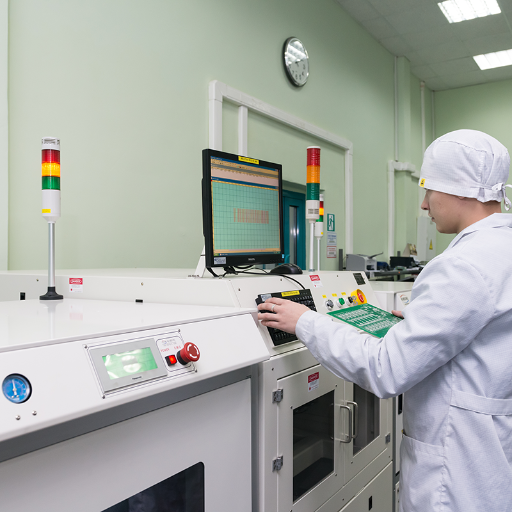
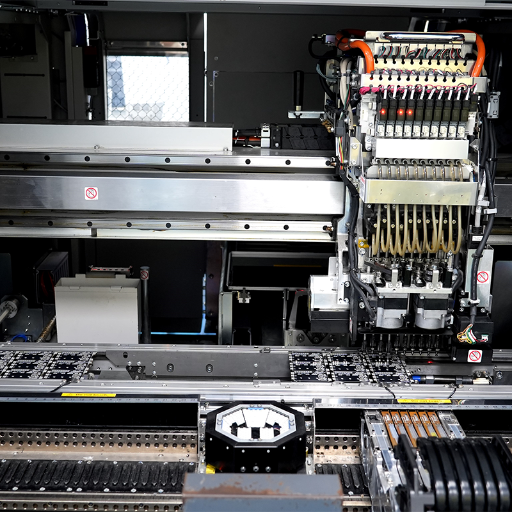
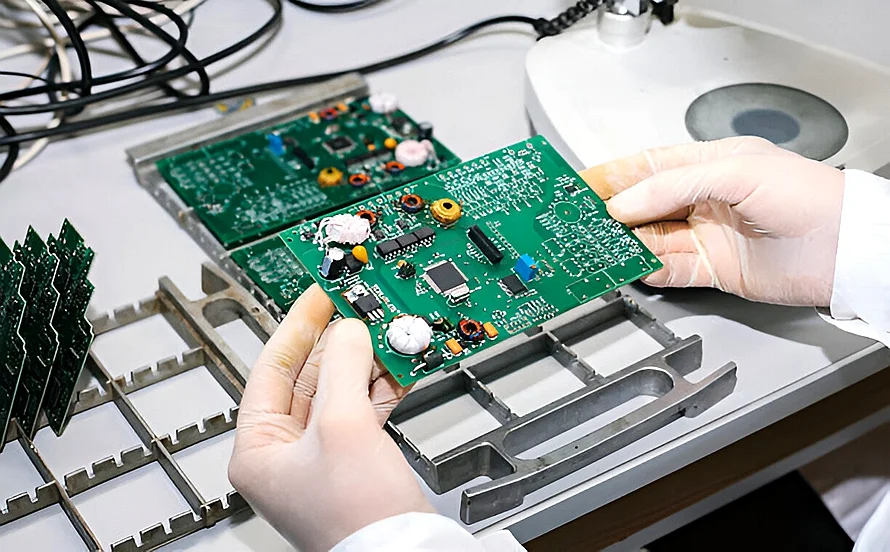
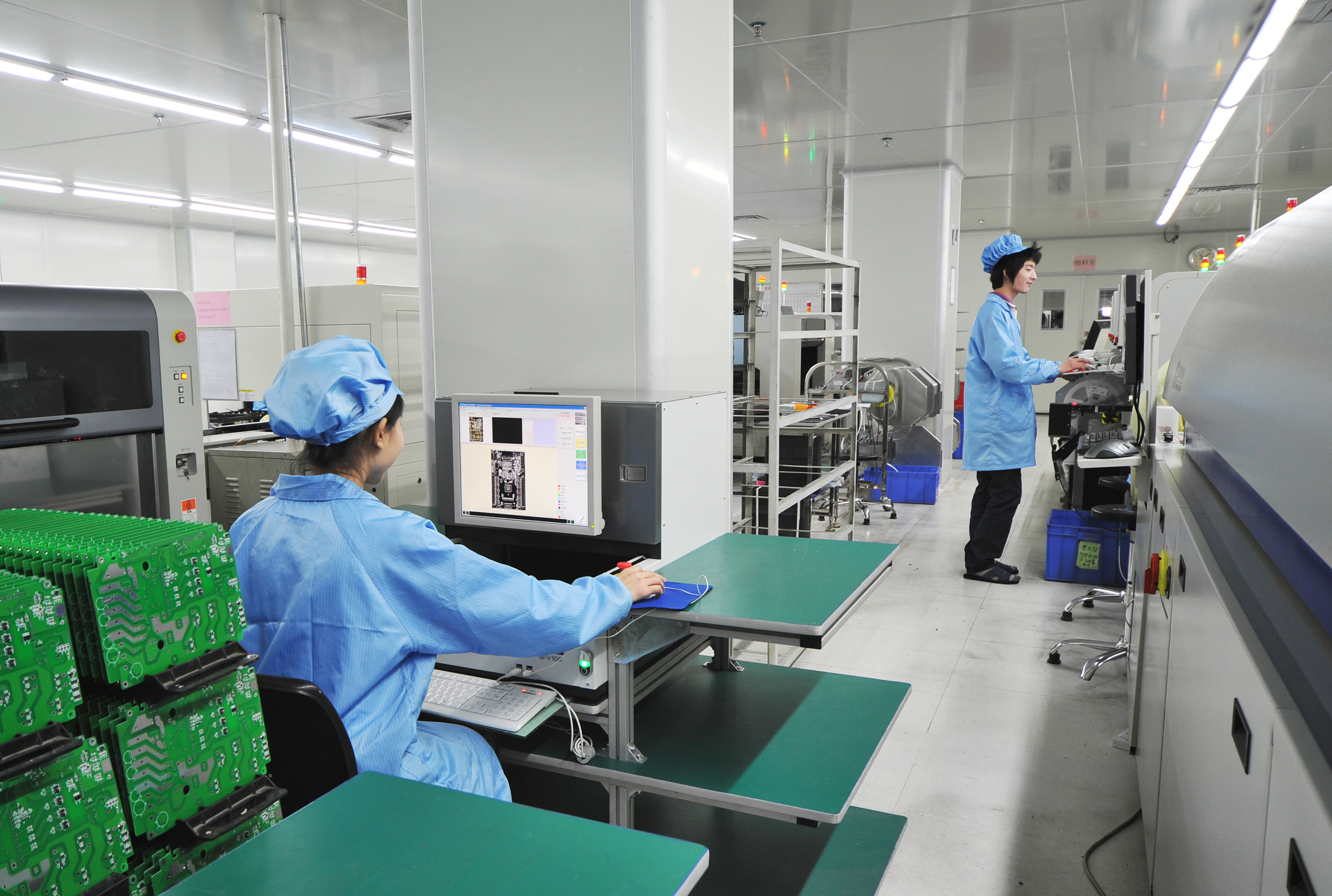
PCBark turnkey PCB assembly line producing a populated printed circuit board with SMT and BGA components Turnkey PCB Assembly secondary view

2003

EMS since (20+ yrs)

01005–BGA

Passive to fine-pitch

1–42

PCB layers

No MOQ

1 pc to volume

IPC Cl 2&3

A-610 / J-STD-001

5–15 d

Quick-turn build

The Multi-Vendor PCB Headache, and How Turnkey Assembly Solves It

The Fragmentation Issue

Run a board through a separate fabricator, a separate parts broker, and a separate assembly house, and you own every gap between them. A fab slips a week, the broker substitutes a part the assembler can't place, and when a joint fail the fab blames the assembler and the assembler blames the parts, nobody owns the defect that spans the fabrication-to-assembly boundary. Managing multiple vendors for PCB assembly is slowing more OEMs, it creates friction, delays, and risk. And that fragmentation isn't cheap: industry cost analysis puts the rework, redesign, and shortage-driven losses hidden in a multi-vendor build at 10–25%+ of total PCBA cost, frequently more than the components themselves.

Coordinating three vendors today? Get a single-source turnkey quote →
01 /

SOLUTION OVERVIEW

Turnkey PCB assembly removes those handoffs. A single provider run the entire production process, design-for-manufacturing (DFM) review, bill-of-materials (BOM) validation, component procurement, PCB manufacturing, SMT and through-hole assembly, inspection, and functional testing, then ships finished, tested printed circuit board assemblies. PCBark runs that whole chain in-house, from prototype PCB assembly and low volume PCB assembly through quick-turn PCB assembly, full-scale SMT assembly, and box build assembly, across a 500,000 m²/yr operation that has run electronics manufacturing since 2003. That single-roof scale is the line between PCBark and a contract manufacturer that brokers your board across three sites and hands you the coordination.

02 /

MODEL DEPTHS

The model come in three depths. Full turnkey means the EMS partner sources every component and build the board. Partial turnkey has you supply the hard-to-get or long-lead parts while the assembler procures the rest. Consignment means you provide all parts and the shop only assembles. Which one fits depend on your inventory position and how much sourcing risk you want to keep, mapped out in the decision matrix below. The point of a turnkey PCB assembly service is accountability: one partner answers for the bare board, the components, the solder, and the test result, so you buy a working assembly, not a part.

03 /

PROJECT BENEFITS

The benefits of turnkey PCB assembly compound across a project. One manufacturing partner owns PCB manufacturing and assembly end to end, so fabrication and assembly stay aligned, and you pick full or partial turnkey by how much sourcing you hand over. A genuine turnkey solution isn't only cheaper coordination, it's a single line of accountability from PCB layout to a tested board.

Full vs Partial vs Consignment, Which Turnkey Model Fits Your Project

Here's the part most vendors won't say first. A turnkey PCB assembly quote looks more expensive than consignment. It often is. That doesn't make it the wrong choice, the cost you don't see on a consignment quote is the sourcing risk, the kitting errors, and the shortage stoppages that land back on you. The right model is the one that put risk where it's cheapest to carry, not the one with the lowest visible line items.

3-Model Turnkey Fit Matrix

Model Who sources parts Who holds shortage risk Best fit when…
Full turnkey PCBark (all parts) PCBark You want one accountable partner, fastest path to a tested board, and no parts inventory to manage
Partial turnkey Split — you supply long-lead/critical parts, we source the rest Shared You already hold allocated MCUs or custom parts but want us to buy the commodity BOM
Consignment You (all parts) You You have a full, kitted inventory and want assembly only — and accept re-spin risk if a kit is short or mislabeled
Turnkey Models and Risk Sourcing Breakdown

In a turnkey model the EMS partner carries end-to-end component sourcing and final assembly; consignment shifts inventory and shortage risk back onto you. Partial turnkey PCB assembly splits the difference, you keep the long-lead parts you've already secured, we source the rest. A common assumption is that consignment is automatically cheaper because you skip the component markup, but the calculation is more involved than that once you price your own purchasing time, MOQ overbuys, and the cost of a stalled line. We'll quote any of the three so you can compare the real numbers, not the assumption. Beyond turnkey vs partial turnkey, a consigned assembly run keeps you holding every part, and we quote turnkey PCB services across all three models, full turnkey and partial turnkey PCB assembly or consignment, so your turnkey PCBA decision rests on real numbers.

Scalability

These turnkey PCB solutions scale from a single board to volume.

Quality Control

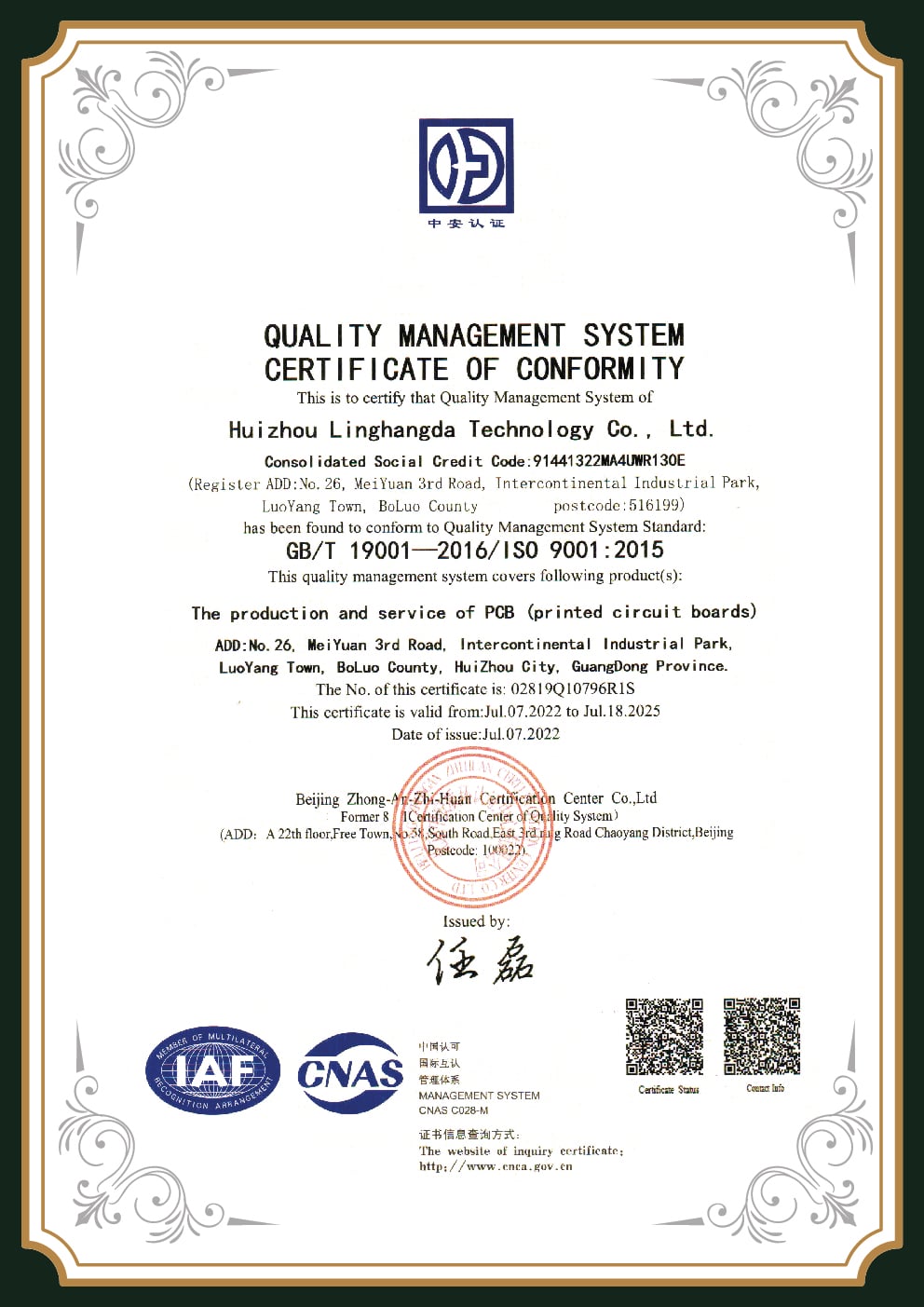
Sourcing and supplier controls across all three models follow our ISO 9001 quality system.

Inside the Turnkey Assembly Process, DFM, Sourcing, Build, Inspection & Test

Every turnkey project run the same controlled chain, and each stage exists to catch a failure the next stage can't fix:

DFM & BOM validation

Your PCB design, Bill of Materials, and assembly drawings are checked for manufacturability before anything goes to fab, so a 0.15 mm clearance or an end-of-life part surfaces now, not at first article.

Component procurement

Parts are bought from authorized/franchised distributors and confirmed in stock before the build start.

PCB fabrication

Bare boards are made to your stackup and electrically tested.

Assembly runs

Automated pick-and-place, reflow for SMT, and wave or selective soldering for through-hole, single- or double-sided.

Inspection & test

Layered, because no single method sees everything (below).

Final inspection and shipping

Boards are packed, labeled, and shipped, customs handled on request.

Each step of the turnkey PCB assembly process maps to a checkpoint. Our design for manufacturability and design for assembly review reads your PCB layout, assembly drawings, and BGA assembly footprints before the first board, and the printed circuit board assembly process then repeats the same assembly steps on every build. That manufacturing approach, the entire PCB production process from sourcing through PCB testing under one team, keeps circuit assembly consistent, whether we run a manual assembly prototype or a high-volume PCB build.

Why one inspection method is never enough

Method What it catches What it misses
AOI (optical) Placement, polarity, solder fillets, tombstoning Hidden joints under BGA/QFN
X-ray (AXI) Hidden BGA/QFN joints, voids, shorts under the package Functional behavior
ICT / flying probe Shorts, opens, wrong values on accessible nets Timing / firmware behavior
Functional test The board doing its actual job under power Cosmetic / long-term reliability
Aging / burn-in Early-life failures under thermal/voltage stress

This is where the two standards that govern assembly do their work. IPC J-STD-001 is the soldering process standard, it prescribes the materials, methods, and acceptance criteria for producing soldered assemblies. IPC-A-610 is the visual acceptance standard for the finished assembly. They're written to be used together, each referencing the other, which is why a credible turnkey shop quotes both, not one.

Engineering Note, Class 2 vs Class 3, where it actually bites

The class isn't a different document, it's the defect tolerance and inspection rigor. Per IPC-A-610 (as published by Sierra Circuits, rev H): plated-through-hole barrel fill is 75% minimum for both, but Class 3 allows no exceptions where Class 2 permits 50% under defined conditions; circumferential solder wetting on the destination side must reach 180° for Class 2 versus 270° for Class 3; barrel copper plating is 0.8 mil for Class 2 versus 1 mil for Class 3; Class 2 tolerates one void in 5% of holes, Class 3 tolerates none.

"We treat the class as fixed at the bare-board stage. A Class 2 board can't be called Class 3 because the assembly came out clean, so we specify the class up front, build the bare board to IPC-6012 plus the right addendum, then hold the assembly to the matching A-610 class. That ordering is what keeps a medical or automotive build honest." — PCBark Engineering Team

Full vs Partial vs Consignment, Which Turnkey Model Fits Your Project

Here's the part most vendors won't say first. A turnkey PCB assembly quote looks more expensive than consignment. It often is. That doesn't make it the wrong choice, the cost you don't see on a consignment quote is the sourcing risk, the kitting errors, and the shortage stoppages that land back on you. The right model is the one that put risk where it's cheapest to carry, not the one with the lowest visible line items.

3-Model Turnkey Fit Matrix

Model Who sources parts Who holds shortage risk Best fit when…
Full turnkey PCBark (all parts) PCBark You want one accountable partner, fastest path to a tested board, and no parts inventory to manage
Partial turnkey Split — you supply long-lead/critical parts, we source the rest Shared You already hold allocated MCUs or custom parts but want us to buy the commodity BOM
Consignment You (all parts) You You have a full, kitted inventory and want assembly only — and accept re-spin risk if a kit is short or mislabeled

In a turnkey model the EMS partner carries end-to-end component sourcing and final assembly; consignment shifts inventory and shortage risk back onto you. Partial turnkey PCB assembly splits the difference, you keep the long-lead parts you've already secured, we source the rest. A common assumption is that consignment is automatically cheaper because you skip the component markup, but the calculation is more involved than that once you price your own purchasing time, MOQ overbuys, and the cost of a stalled line. We'll quote any of the three so you can compare the real numbers, not the assumption. Beyond turnkey vs partial turnkey, a consigned assembly run keeps you holding every part, and we quote turnkey PCB services across all three models, full turnkey and partial turnkey PCB assembly or consignment, so your turnkey PCBA decision rests on real numbers. These turnkey PCB solutions scale from a single board to volume. Sourcing and supplier controls across all three models follow our ISO 9001 quality system.

Turnkey vs Multi-Vendor Sourcing, Cost, Lead Time & Risk Compared

The argument for one vendor isn't convenience, it's where the risk and the hidden cost sit. Quality, not the lowest sticker, is consistently the number-one factor buyers weigh when choosing an EMS partner, and "the cheapest option may only sometimes be the best choice." So we put PCBark's China-scale advantage where it belongs: total landed cost and transparency at equal-or-better quality, never a headline lowest quote. For the economics of manufacturing quality and reliability, see the NIST Engineering Laboratory.

Turnkey-vs-Multi-Vendor TCO Card

Dimension Multi-vendor (fab + broker + assembly) PCBark full turnkey
Accountability for a boundary defect Finger-pointing between fab and assembly One owner, end to end
Component buying power Your volume only Pooled across builds, authorized distributors
Coordination overhead 3 contracts, 3 schedules, 3 invoices Single contract + invoice
Shortage / kitting risk Yours Transferred to PCBark
Where a defect is caught Often after transoceanic shipment In-house pre-ship AOI + X-ray
10–25%+
of total PCBA cost typically hides in rework, redesign, qualification delays, scrap and shortage stoppages — often more than the components themselves.

What Actually Drives Your PCBA Quote, Transparent Cost Drivers

Most people think PCBA cost equals component count. It doesn't. The real drivers are BOM complexity and sourcing, board complexity, and test depth, and good kitting up front is what keeps the rest from spiraling.

The single biggest line is the BOM, which lands somewhere between 40% and 70% of total cost depending on board complexity and volume, present it as a range, because anyone quoting a fixed "60%" is ignoring how much it moves. Here's the structure we quote against:

Cost driver
Share of total
How to move it
BOM / components
Authorized-distributor sourcing, alternates approved at DFM, volume pooling
PCB fabrication
Layer count, finish, material, panel utilization
SMT / THT assembly
Unique part count, sides, fine-pitch density
Test & inspection
Class 2 vs 3, functional test depth
Hidden (rework/delay/scrap)
DFM, kitting discipline, single-vendor accountability
Turnkey PCB Assembly Manufacturing Process

Buyer tip, the cheapest lever is usually your BOM

Trimming unique part numbers on a mid-complexity board by around 20% can cut assembly setup cost 10–15%, because every unique part carries its own MOQ, packaging, and pick-and-place feeder setup. We flag consolidation candidates during DFM, before they're locked in. Design-for-manufacturing methods that cut part count are well documented in DFM patents.
Estimate your build before you commit. Try the PCBA cost estimator →

Quality, IPC Compliance & China-Sourcing De-Risking

For a buyer placing a first order with a China EMS partner, this is the section that actually decides it, so here's the honest version, first-party proof first.

The proof, not the promise

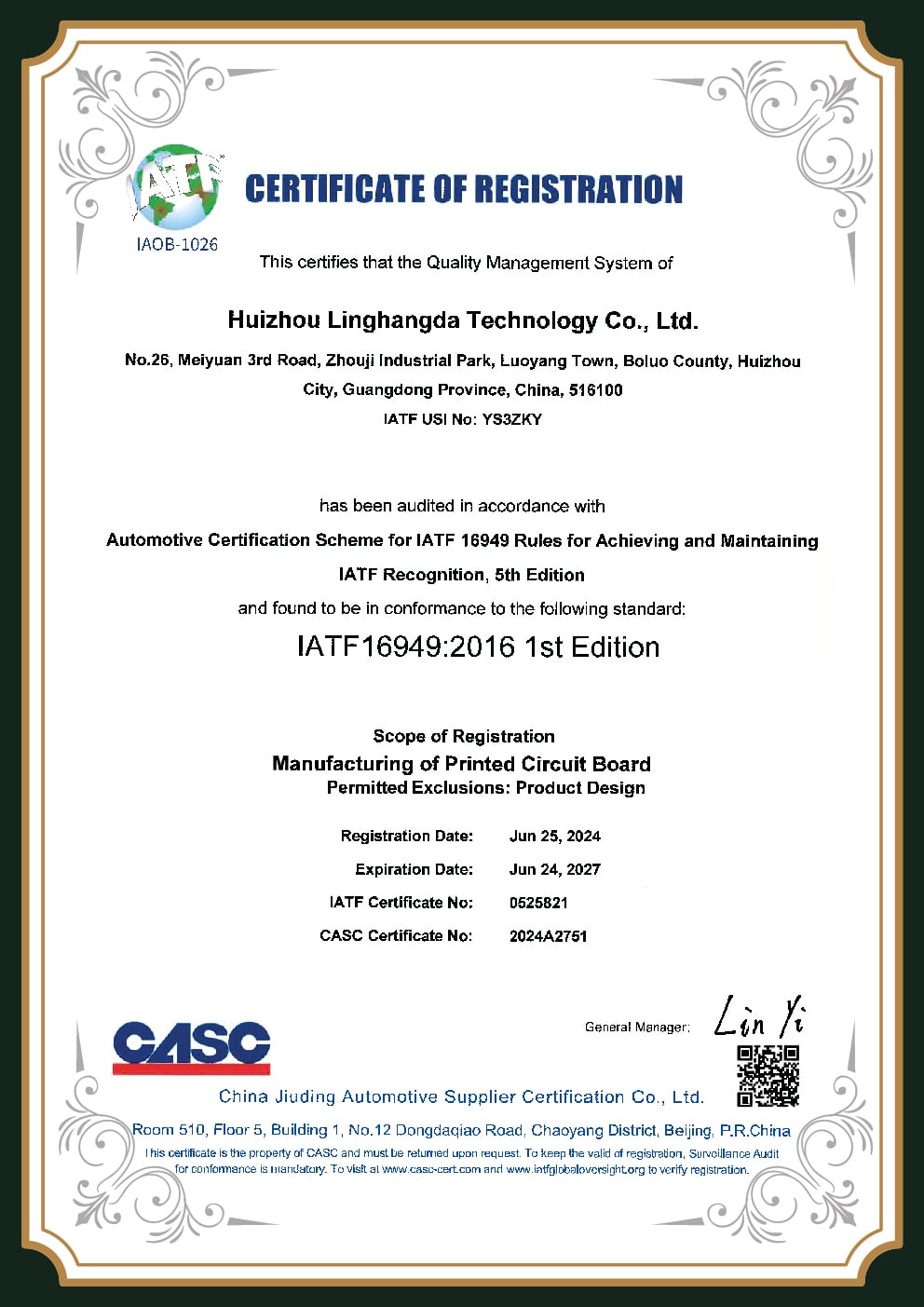
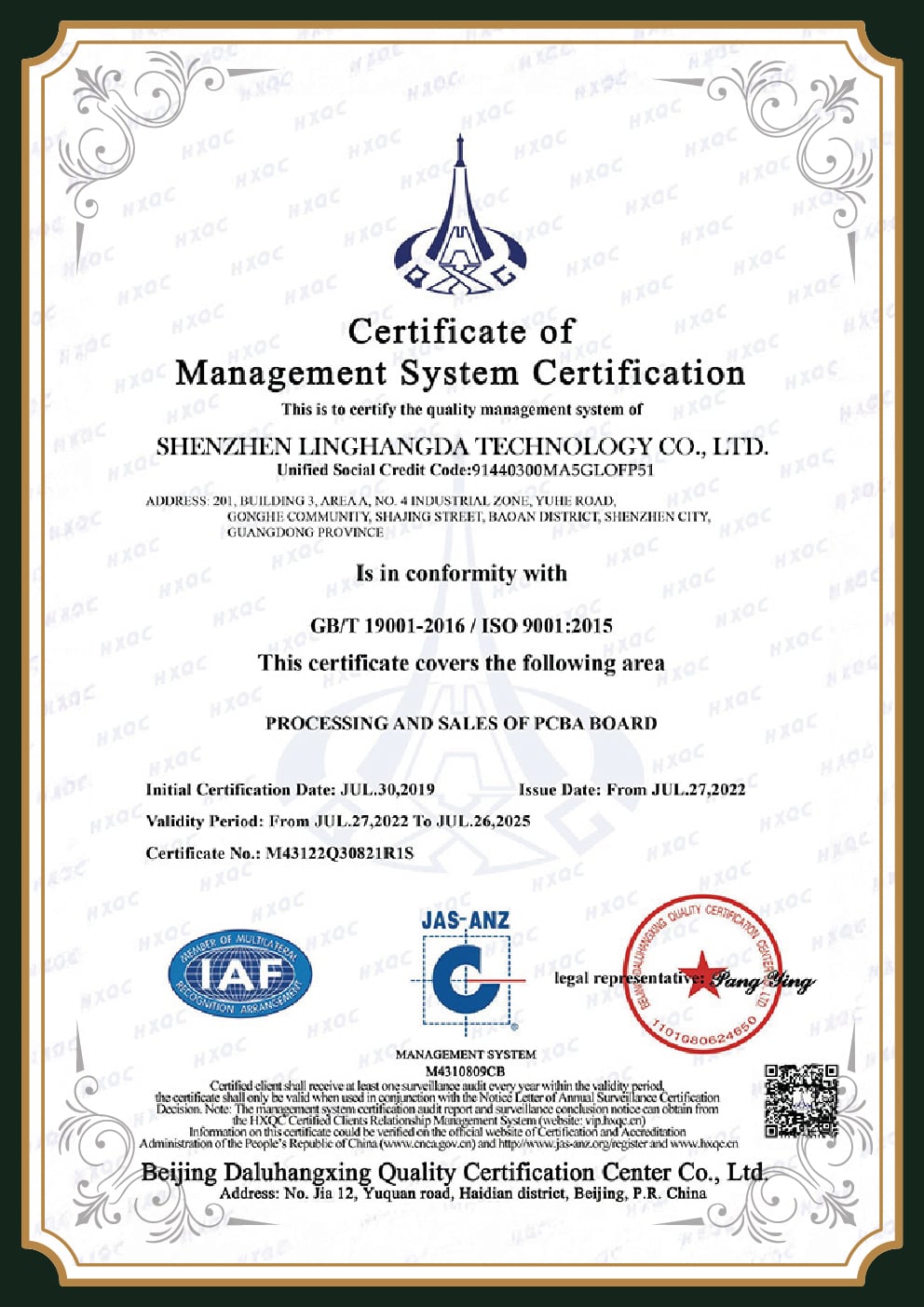
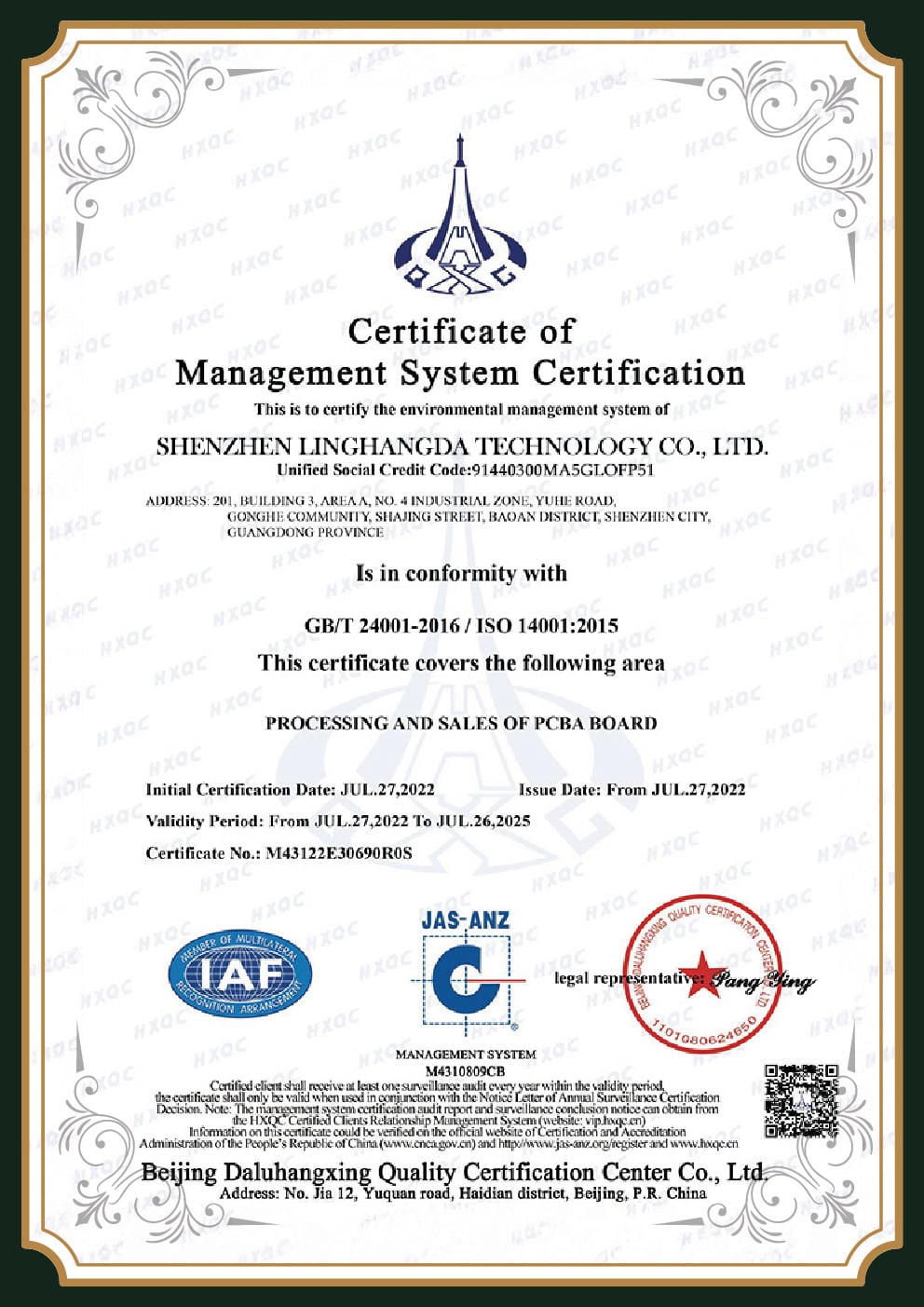
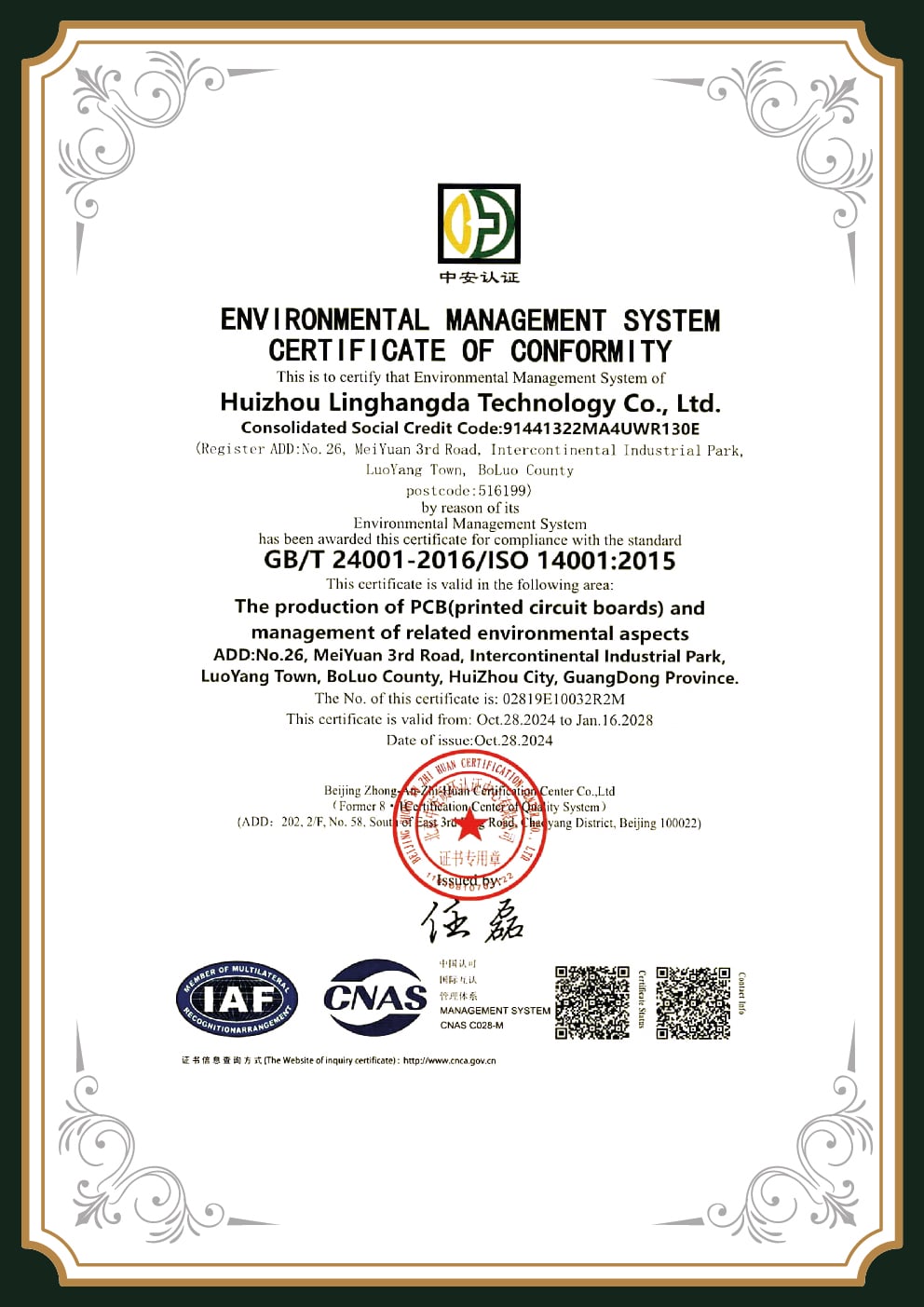
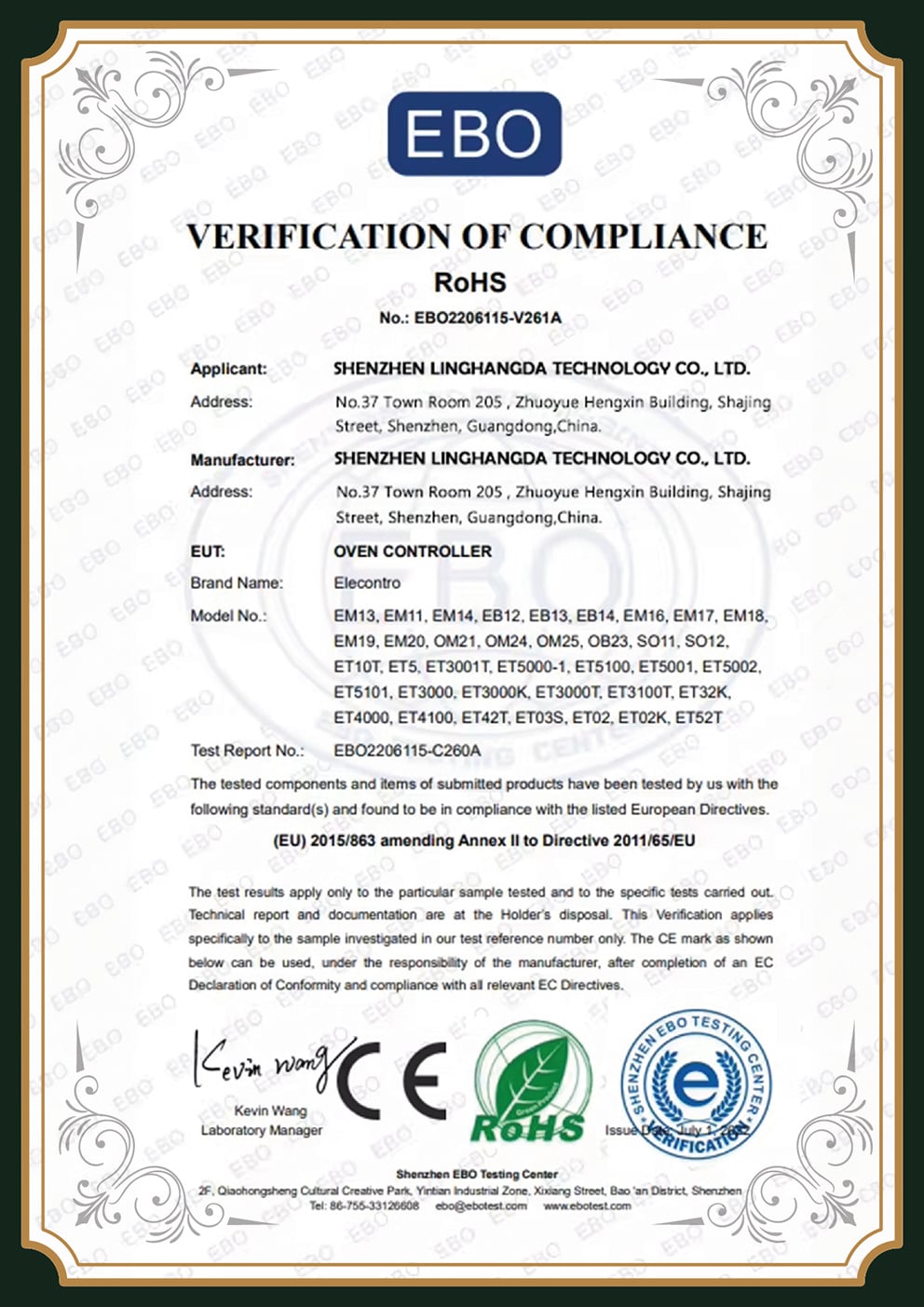
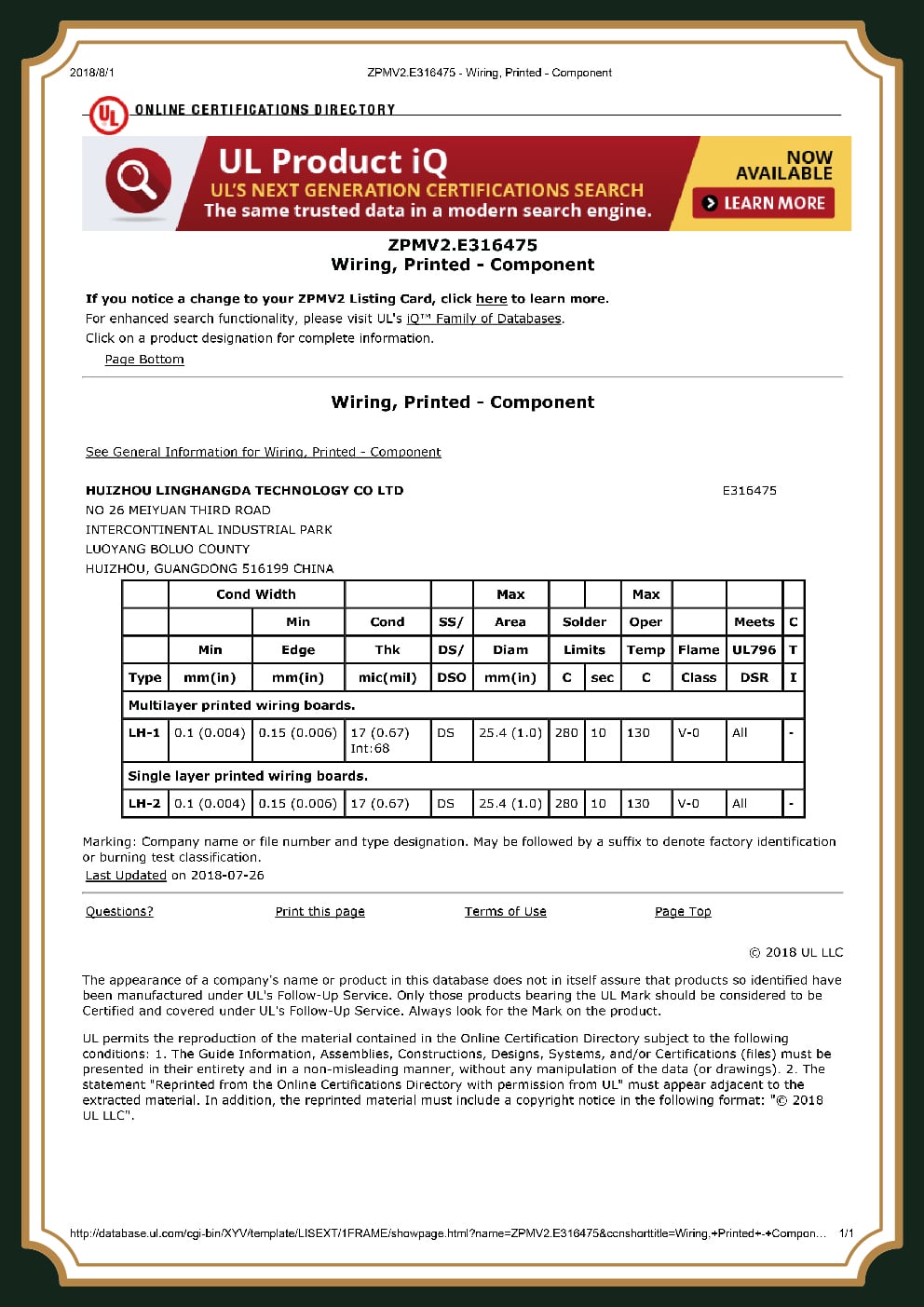
PCBark is the manufacturing brand of an EMS operation, a full electronics manufacturing services provider running since 2003 from three production facilities in Guangdong and Jiangxi, with 500,000 m²/yr of capacity and turnkey PCB manufacturing under one roof. As a PCB manufacturer and assembler, our quality is governed by a held certification stack, ISO 9001 and ISO 14001, IATF 16949 (automotive-grade quality management), UL, RoHS, and IPC, and every surface mount and through-hole build is inspected in-house with AOI, X-ray inspection, ICT, flying probe, and functional test before it ships. We provide our business-license and registered-entity details on request so you can run a supplier registry check; publishing exactly who you're buying from is the first thing a credible factory does, because a basic registry check is what filters out trading shells before a deal even starts.

ISO 9001Quality mgmt
IATF 16949Automotive QMS
ISO 14001Environmental
ULBoard safety
RoHSSubstance compliance
IPC-A-610Class 2 & 3 acceptance

On IP: an NDA is not the protection you think it is

Many teams ask only for an NDA, but in China that document doesn't actually stop a factory from producing or selling your design, it protects secrecy, not use. The instrument that does the work is an NNN agreement (Non-disclosure, Non-use, Non-circumvention), written in Chinese under Chinese law, naming the registered entity with real liquidated damages. And here's the part a careful buyer should hear: an NNN is the entry gate, not the whole IP system. A badly drafted form NNN can be worse than none because it sells false confidence. PCBark signs a serious NNN and backs it with an IP-ownership-of-deliverables clause, the agreement is the gate, the relationship and the tooling control are the system. We'd rather tell you that than oversell a one-page download.

On counterfeit parts and "we have all the certificates"

Paper alone doesn't prove a part is real, even the most authentic-appearing certificates of conformance get forged. So our counterfeit control isn't a certificate; it's sourcing only from authorized and franchised distributors (never gray-market brokers), plus physical incoming screening and X-ray verification on suspect or high-value parts, plus IPC-1782 lot-and-date-code traceability so a problem part can be contained to a specific build rather than a recall of everything. One fake capacitor or remarked IC can stop an assembly line and trigger a recall, the screening is cheaper than the failure.

One more myth worth retiring

Class 3 isn't aerospace-only. The common assumption ties it to avionics and military, but Class 3 is application-based and covers industrial and medical builds too. If your product can't tolerate downtime, you can ask for Class 3 acceptance from PCBark whether you're building a defibrillator or a factory controller, and you can ask us for a cross-section to prove it.

Enlarged View
Turnkey PCB Assembly Procurement and Quoting
Procurement · Protocol

Procurement Guide, MOQ, Lead Times, Files Needed & How to Quote

No minimum order quantity.

We build a single prototype the same way we build a production run, which is the whole point of a no-MOQ turnkey service, you move from PCB prototyping to volume with the same partner, the same line, and the same process, instead of re-qualifying a new shop at production.

Where lead time actually comes from.

On most builds the delay isn't ocean freight or customs, it's component sourcing. Semiconductor lead times have stretched to as much as 40 weeks on some logic, programmable, and memory parts, with spot-market premiums running several times book price. A turnkey partner that buys early and pools volume buffers exactly that risk; quick-turn assembly of in-stock designs runs 5–15 days. For shipping, we offer DDP/Incoterms-managed delivery so customs clearance sits with us, but it's offered as a choice, since some buyers prefer to control their own freight. For background on manufacturing supply-chain and sourcing, see NIST MEP.

Files to send with your RFQ

Gerber files (RS-274X preferred), a Bill of Materials with manufacturer part numbers, a component placement list (CPL/centroid/XY), assembly drawings, and any test or class requirements. Send those and we quote against your real board, no placeholder pricing.

On pricing.

A turnkey quote is built from your specific BOM, board complexity, class, and test depth, the drivers in the table above, so we quote per design rather than post a number that wouldn't fit your build. Send Gerbers and a BOM and you'll get an itemized quote you can compare line by line. From a first prototype assembly to a high-volume PCB and production PCB run, your PCB project gets the same assembly and manufacturing discipline and the same PCB assembly solutions team.

Turnkey PCB Assembly Engineering Tools

PCBA Cost Estimator

See what actually drives your turnkey PCB assembly quote — a relative cost index and the BOM/fab/assembly/test split for your board. Not a price quote; PCBark confirms real pricing from your Gerbers and BOM.

Calculate Costs

Full, Partial or Consignment? — Turnkey Model Selector

Three questions map your project to the turnkey model that puts sourcing risk where it’s cheapest to carry.

Select Turnkey Model

IPC-A-610 Class 2 vs Class 3 Selector

Class is fixed at the bare-board stage and can’t be “upgraded” by good assembly — so pick it up front. Class 3 is application-based, not aerospace-only.

Compare IPC Classes

Turnkey PCB Assembly FAQ

What is included in a full turnkey PCB assembly service?

Everything from design files to a tested board: DFM and BOM review, component sourcing from authorized distributors, PCB fabrication, SMT and through-hole assembly, AOI/X-ray/ICT inspection, functional testing, and shipping. You supply Gerbers and a BOM; you receive finished, inspected printed circuit board assemblies.

Should I choose full, partial, or consignment turnkey?

Full turnkey if you want one partner to source and build with no parts inventory to manage. Partial turnkey if you already hold long-lead or allocated parts but want us to buy the rest. Consignment if you've a complete kitted inventory and want assembly only, accepting the re-spin risk if a kit is short. See the 3-Model Fit Matrix above; we'll quote all three.

What is the minimum order quantity (MOQ)?

There's no MOQ. We assemble a single prototype or a high-volume production run on the same line, so you can move from one board to thousands without changing suppliers.

How long does turnkey PCB assembly take?

Quick-turn assembly of in-stock designs runs 5–15 days. The variable is component sourcing, some semiconductors carry long lead times, so we buy early and pool volume to buffer it. We quote a realistic lead time with every RFQ rather than a best-case headline.

What files do I need to provide?

Gerber files (RS-274X preferred), a BOM with manufacturer part numbers, a component placement list (CPL/centroid), assembly drawings, and any class or test requirements. We run a DFM check on these before fabrication.

Can you assemble advanced packages like BGA, micro-BGA, and fine-pitch QFN?

Yes, 01005/0201 passives, BGA, µBGA, CSP, QFN and fine-pitch QFP, on boards from 1 to 42 layers including HDI and rigid-flex. Fine-pitch BGA capability is package-dependent (roughly 0.25–0.35 mm), which we confirm against your specific design at DFM.

How do you protect my design and IP as a China supplier?

We sign an NNN agreement (Non-disclosure, Non-use, Non-circumvention) under Chinese law, backed by an IP-ownership-of-deliverables clause, an NDA alone doesn't stop misuse in China. We also source only from authorized distributors and provide registered-entity details for your supplier verification. The NNN is the gate; the manufacturing relationship and tooling control are the system.

How do you keep counterfeit components out of my build?

Authorized and franchised distributors only, never gray-market brokers, plus physical incoming screening, X-ray verification on suspect or high-value parts, and IPC-1782 lot/date-code traceability so any issue is contained to a specific build. Certificates of conformance can be forged, so we treat physical screening, not paper, as the real control.

Can you build to IPC-A-610 Class 3?

Yes. Class 3 is application-based, not aerospace-only, it fits industrial and medical products that can't tolerate downtime. We specify the class at the bare-board stage (a Class 2 board can't be "upgraded" by good assembly), build to IPC-6012 plus the right addendum, and hold the assembly to the matching A-610 class. Cross-sections available on request.