Get in touch with PCBark Company

What Counts as “Low Volume” PCB Assembly?
PCB assembly projects fall into three industry groups: prototype (1–10 boards), low volume (usually 5–500 boards per batch), and mass production (over 1,000 boards). Low-volume production sits at the overlap of production-grade quality and prototyping quantities — you get IPC-certified printed circuit board (PCB) assembly, not hand-soldered eval boards.
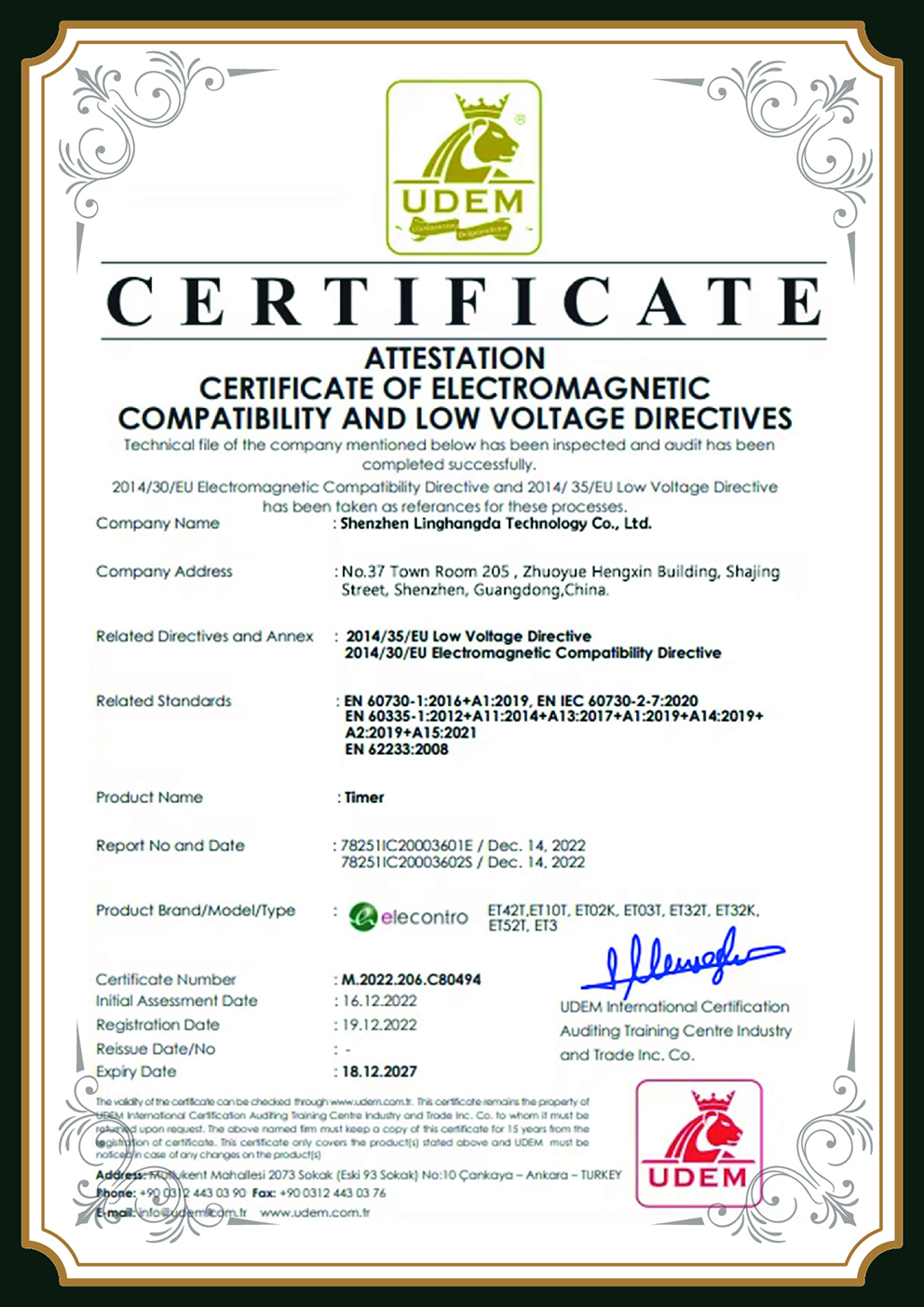
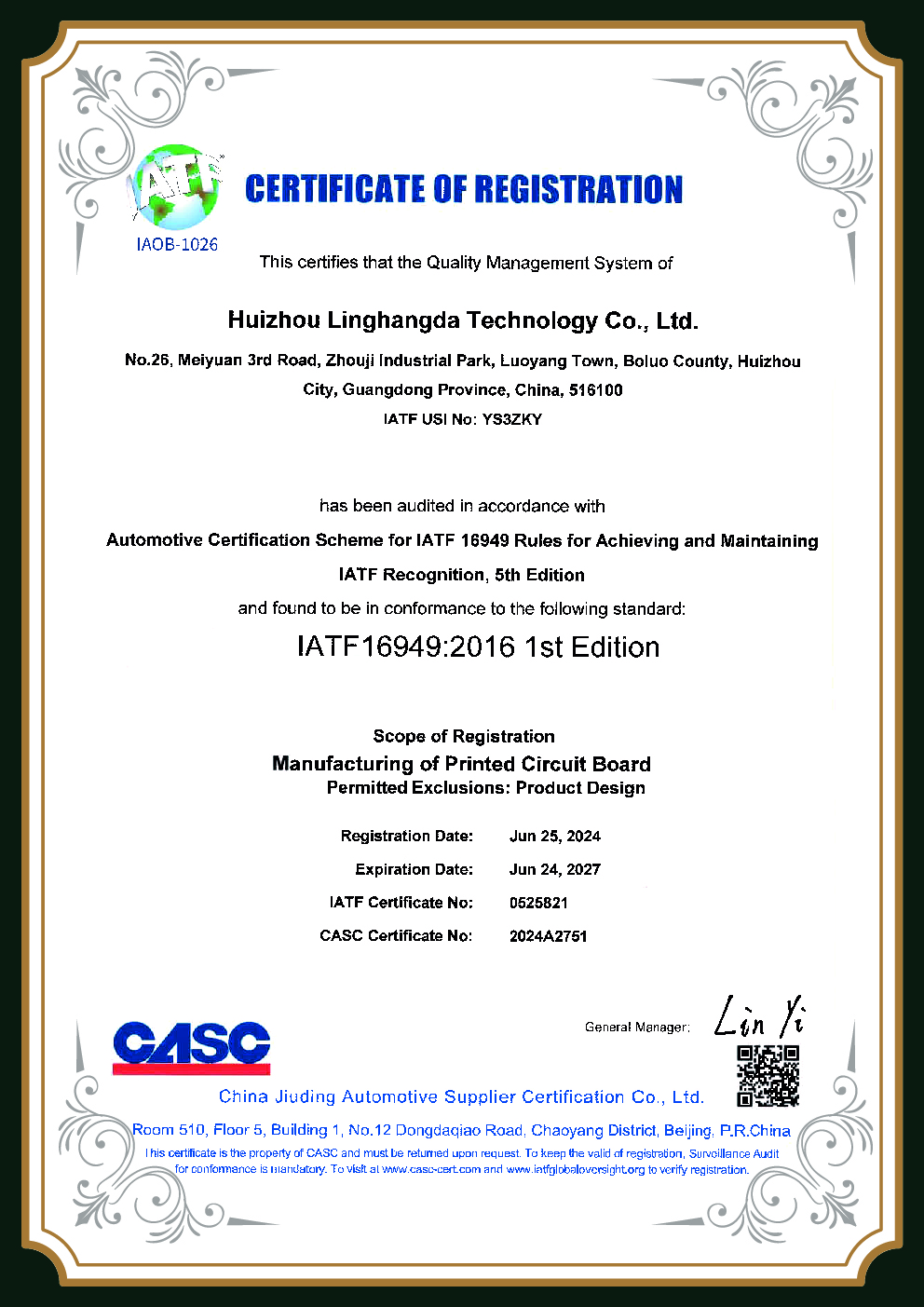
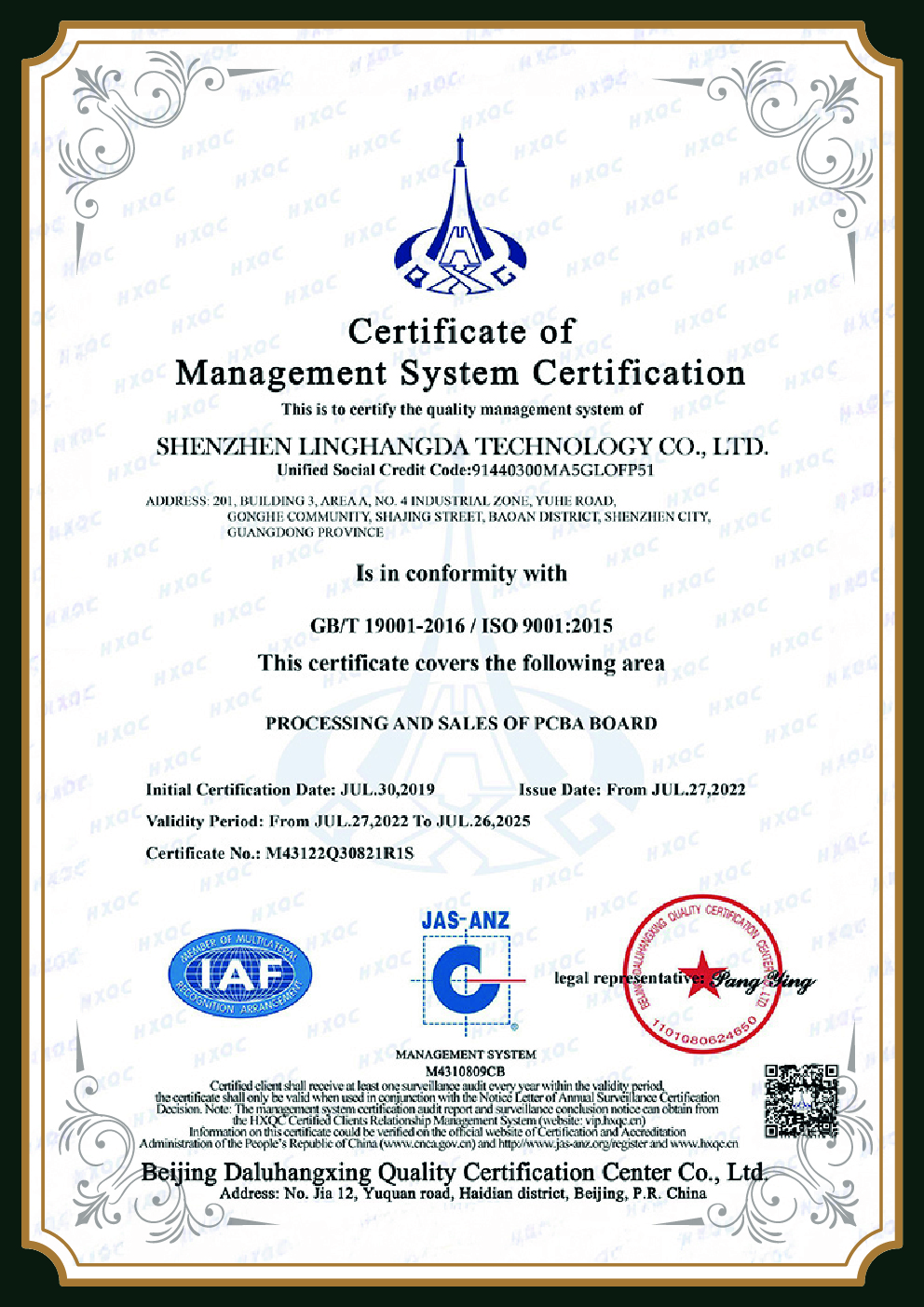
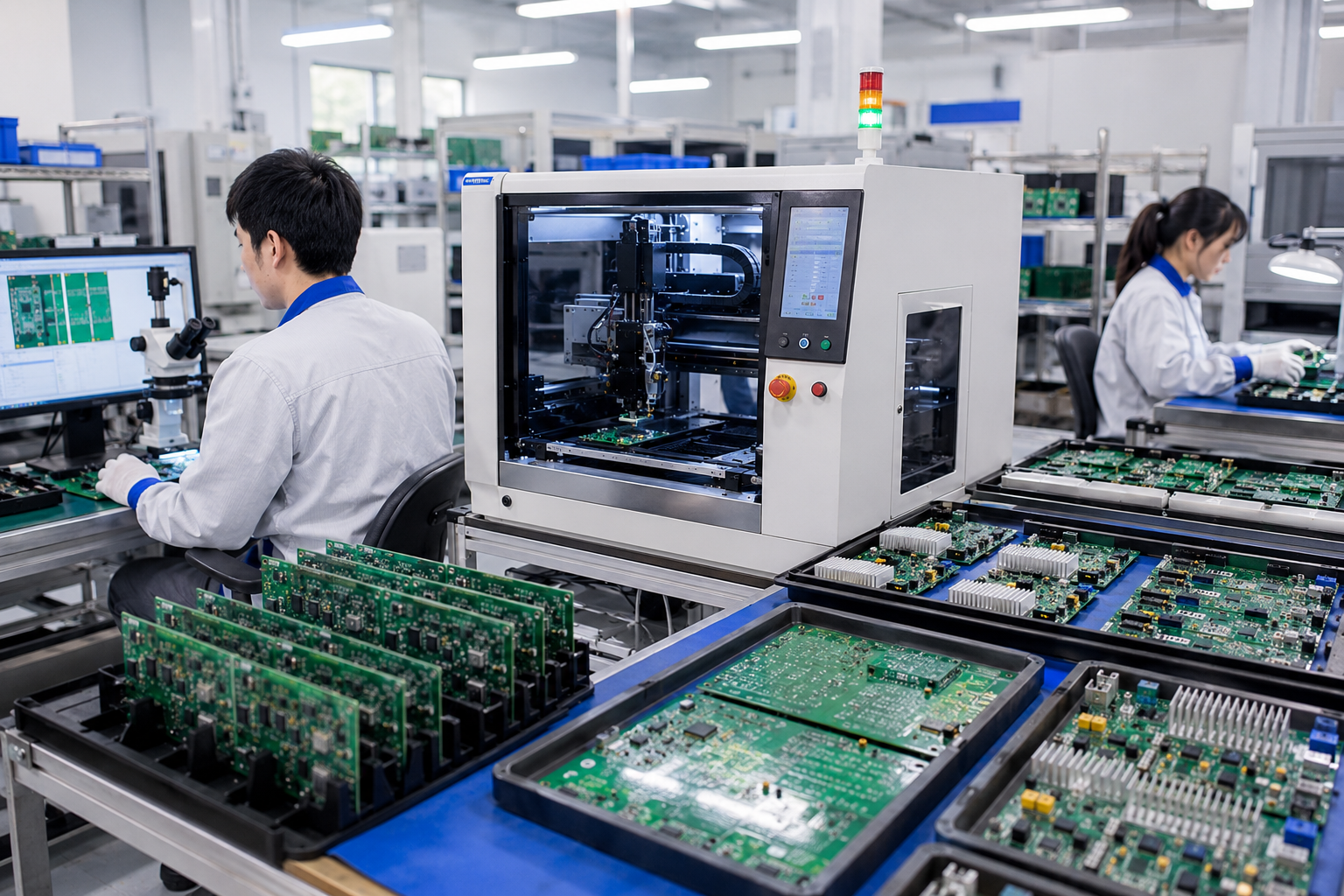
PCBark sets 5 board minimum. That limit apply to every kind of assembly: SMT, through-hole, mix, BGA, or turnkey. The same ISO 9001:2015 quality management system and the same Yamaha pick-and-place machinery assemble your batch of 5 the same way they do 500. Setup overhead is real — this is exactly why PCB production costs more per board at small quantities — but the assembly process and quality standards don’t change. All PCB assemblies leave the line with the same IPC-certified inspection record.
The honest answer: low volume isn’t the right approach for every situation. Prototype manufacturing (1–5 boards) uses a different process — hand-placement, no IPC inspection, engineering-grade only. Once your design is stable and you’re ordering 1,000+ boards per quarter, the trade-off shifts toward mass-production contracts. Low-volume PCB assemblies sit in between: production-certified, machine-assembled, IPC-inspected — at quantities that don’t hit any manufacturer’s MOQ. Industry data confirms placement errors cause up to 60% of SMT assembly defects — the argument for machine-assembled low-volume boards over hand-soldered prototypes, regardless of quantity. PCBark’s Yamaha lines offer this machine precision starting at 5 boards, which most US houses won’t match below 25.
Most North American manufacturers require 25-50 boards to justify a batch. PCBark’s Yamaha line economics and process quality allow accepting 5 board batches matching the sealed quality of larger batches — it’s an order-of-quantity issue, not a technical quality limitation.
Typical needs cases for a low-volume pcb assembly at a small-quantity assembly house:
- New product rollout (NPI) – test your design before you pay tooling costs for mass production
- Test the market – 50-200 units to measure sell-through before you scale up
- Defense and industrial prototyping – when repeatability and reliability mean more than per-unit cost
- Post-production repairs – spare boards in MRO for legacy assets that can’t wait for 1,000 PCBA overages
- IoT and startup research – iterate without carrying inventory costs or risk
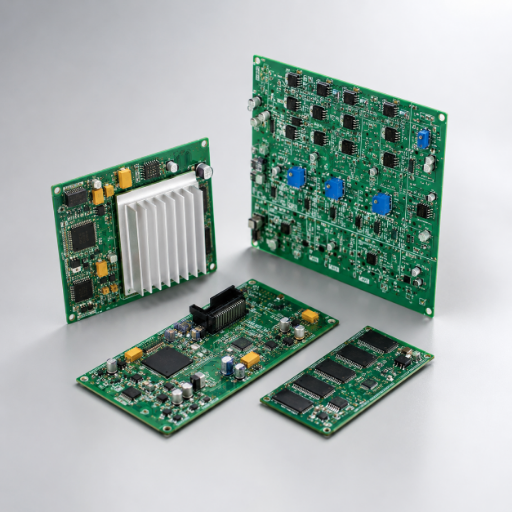
Planning to order <25 boards? PCBark will do that starting with 5. Quantify your project below – there’s no moq barrier or a small-set surcharge.
Get a Small-Batch QuoteThe 5-Gate QC Protocol for Small-Batch PCBs

Assembly Technologies & PCBark Capabilities
Most pcb assembly service pages will list SMT, THT and Mixed as checkboxes, and here’s a brief description of what each really means and where their capabilities limitations are:
Standard for modern circuit design PCBark’s Yamaha equipment can accommodate SMT components as small as 0201 (Imperial), with BGA components, QFN (hidden pads), and even fine-pitch ICs with spacing as tight as 8 mils. High-density PCB layouts at 0.025mm3 place count can be fulfilled through precision assembly that isn’t possible with conventional SMT machines.
Designed for products that undergo strenuous physical demands, such as power-generating equipment, automotive hardware, and military systems that endure frequent vibrations, thermal cycles, and extreme conditions. PCBark supports a wide array of through-hole assembly procedures, incorporating axial-lead or radial-lead components, as well as SIP and DIP types.
Common in general consumer goods where BGA packages, delicate ICs and chip passives share space on the board with traditional thru-hole elements like relays and large electrolytic components. By merging standard and mixed technology into a singular operational step-SMT followed by THT-PCBark streamlines the process, eliminating delays inherent in outsourcing or separate steps. Review our HDI PCB offering if you’ve a design requiring complex layer counts and high density routing.
Full PCBark Capability Summary
| Min component size (SMT) | 0201 imperial |
|---|---|
| Fine pitch minimum | ≥8 mil (0.2 mm) |
| BGA (Ball Grid Array) / µBGA | Supported — X-ray verified post-reflow |
| QFN packages | Supported — AOI + X-ray |
| Board thickness range | 0.4 mm – 3.2 mm |
| Min trace / space | 3 mil / 3 mil |
| Max board size | 500 mm × 450 mm |
| Layer count | 1–20 layers |
| Accepted file formats | Gerber format (RS-274X), ODB++, IPC-2581 |
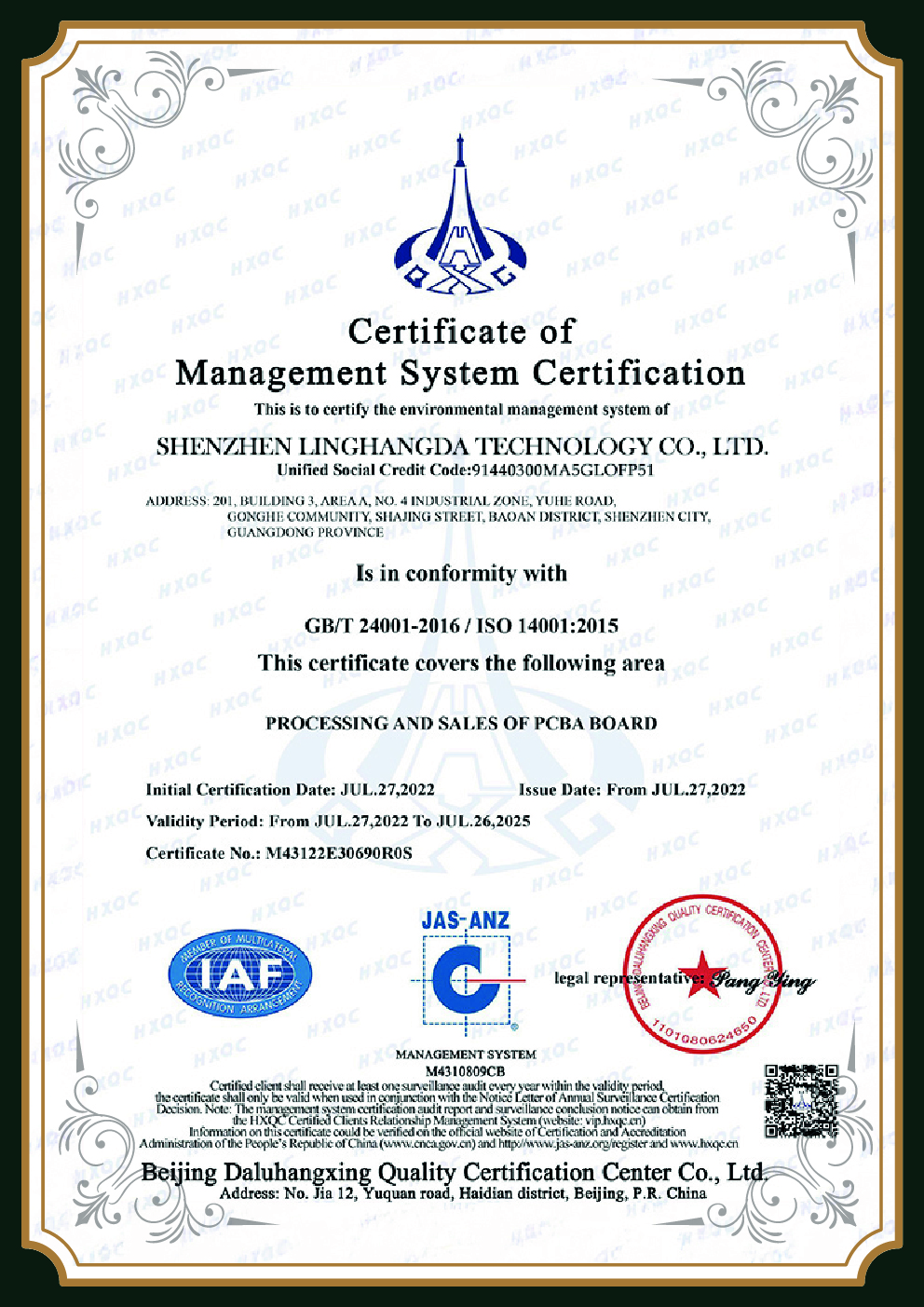
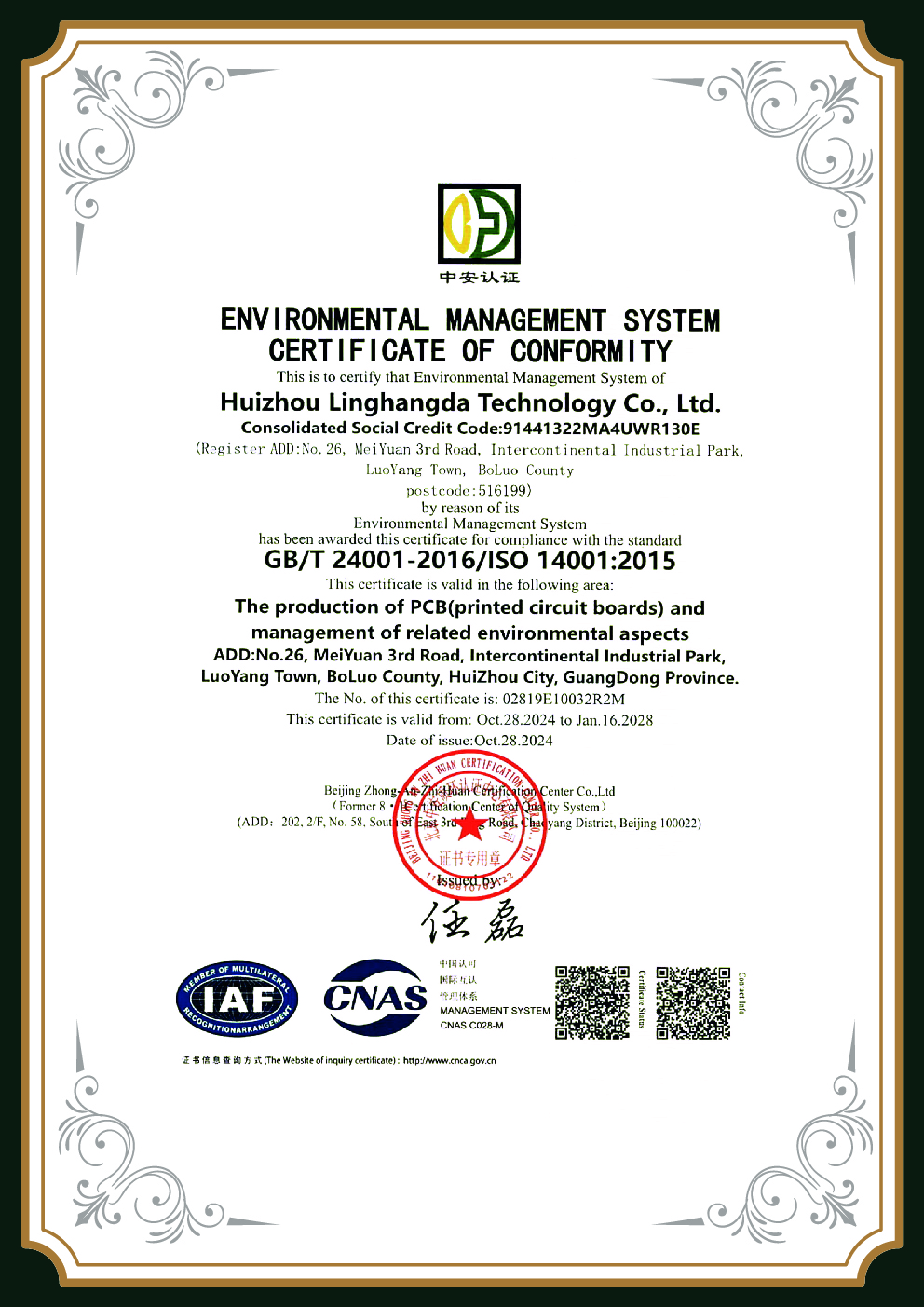
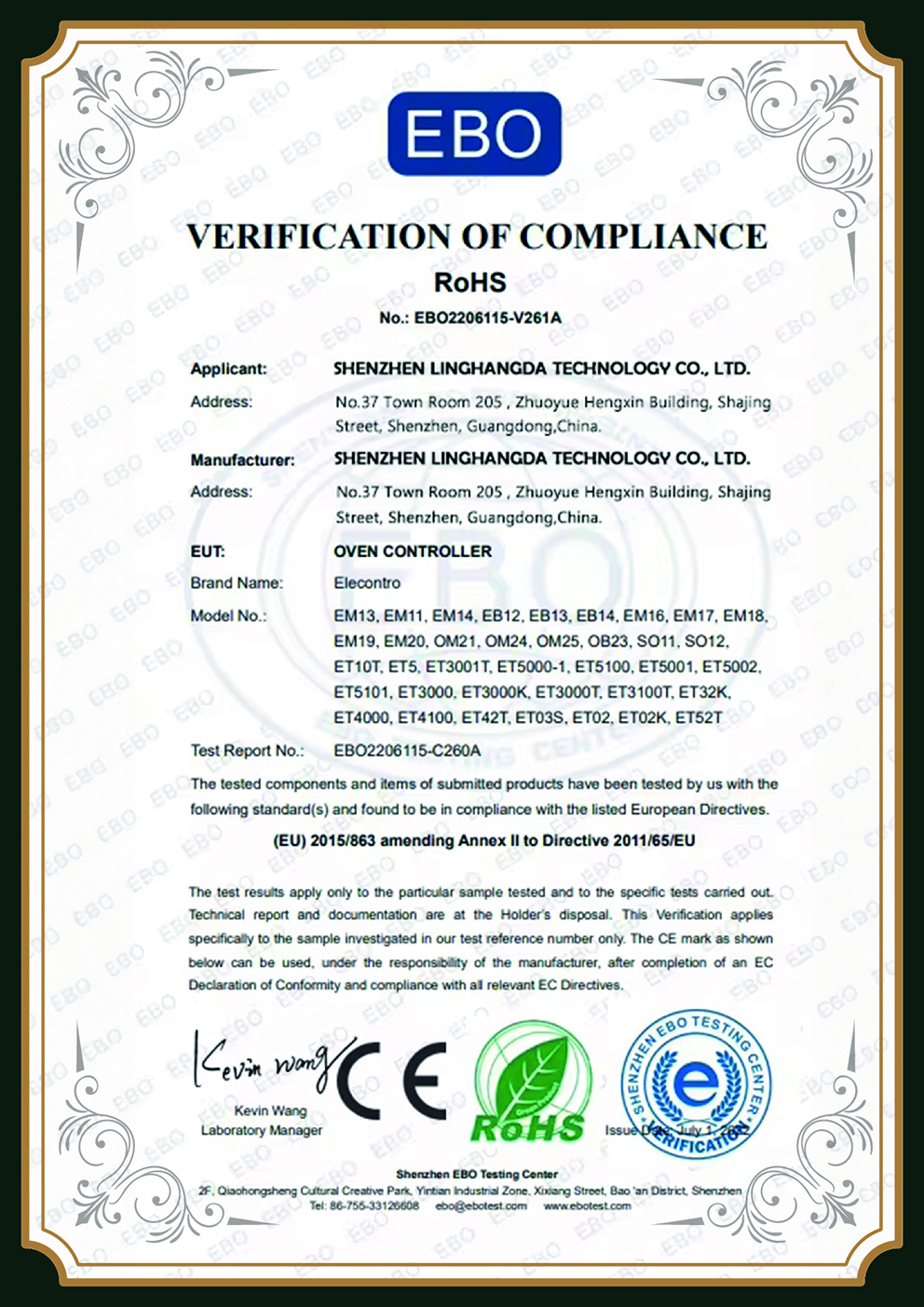
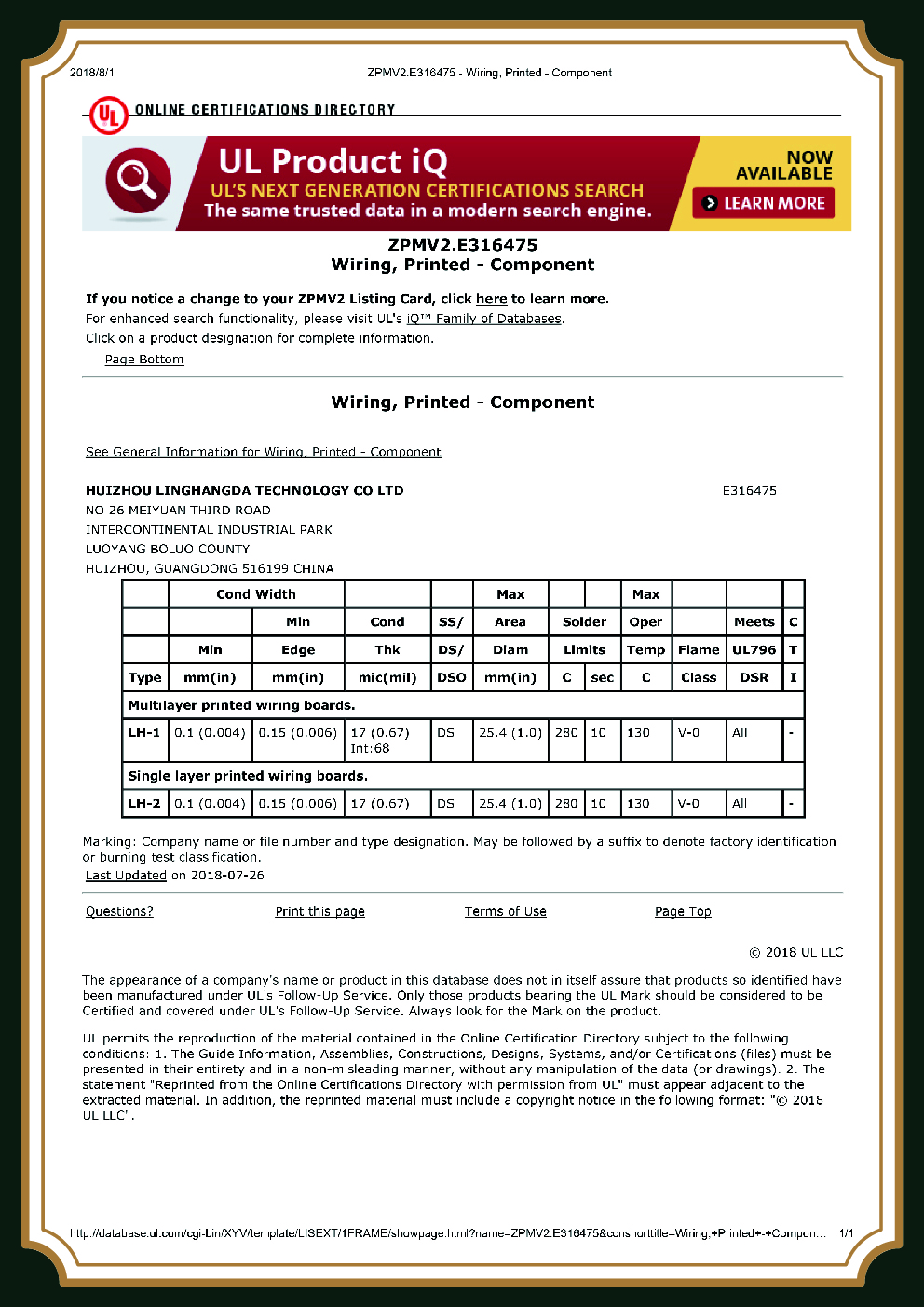
| Certification | ISO 9001:2015, IPC-A-610 Cl.2/3, RoHS |
| Turnkey PCB assembly | Yes — includes component sourcing + fabrication + assembly + test |
Not sure what type of assembly you need? Our PCB Design For Manufacturing review can determine whether you need THT only, SMT only, or mixed technology; we also ensure proper procedures are recommended for handling specialized components such as BGA chips — see our dedicated BGA assembly service for X-ray verification protocols. We’ll notify you if we notice anything in your board or components that could pose issues during assembly.
Submit for DFM ReviewIndustries That Rely on Low-Volume PCB Assembly
Not a cheap work-around for teams with insufficient capacity, low-volume runs are right for a wide array of product stages and market segments. Unfortunately, your typical volume-focused assembly shop (think JLCPCB, PCBWay) isn’t configured to produce 5-50 boards with rigorous DFM control – orders this small are de-prioritized and lack dedicated expertise. The industries PCBark serves share one requirement: production-qualified quality at quantities that don’t yet justify a commitment to tooling or volume manufacturing.
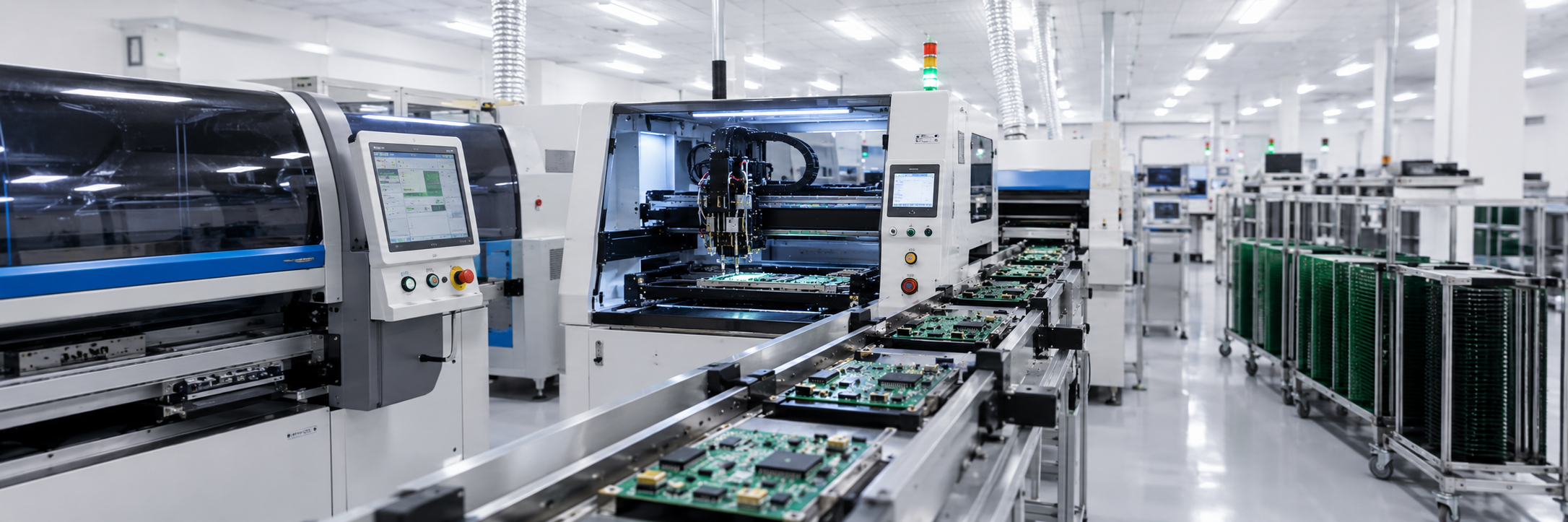
SECTOR / 01
IoT & Consumer Electronics
For those that require them, starting a hardware company or developing a new product involve generating a 5-50-unit batch that behave just like a production unit-not hand-soldered engineering samples. When run through one of PCBark’s Yamaha SMT machines, these prototype production runs achieve 0201/BGA placement accuracy identical to our 500-piece pilots. Our DFM team checks for antenna keep-outs, impedance mismatches, and thermal issues free of charge before fabrication begins – potentially saving your project a full iteration cycle of 3-4 weeks.
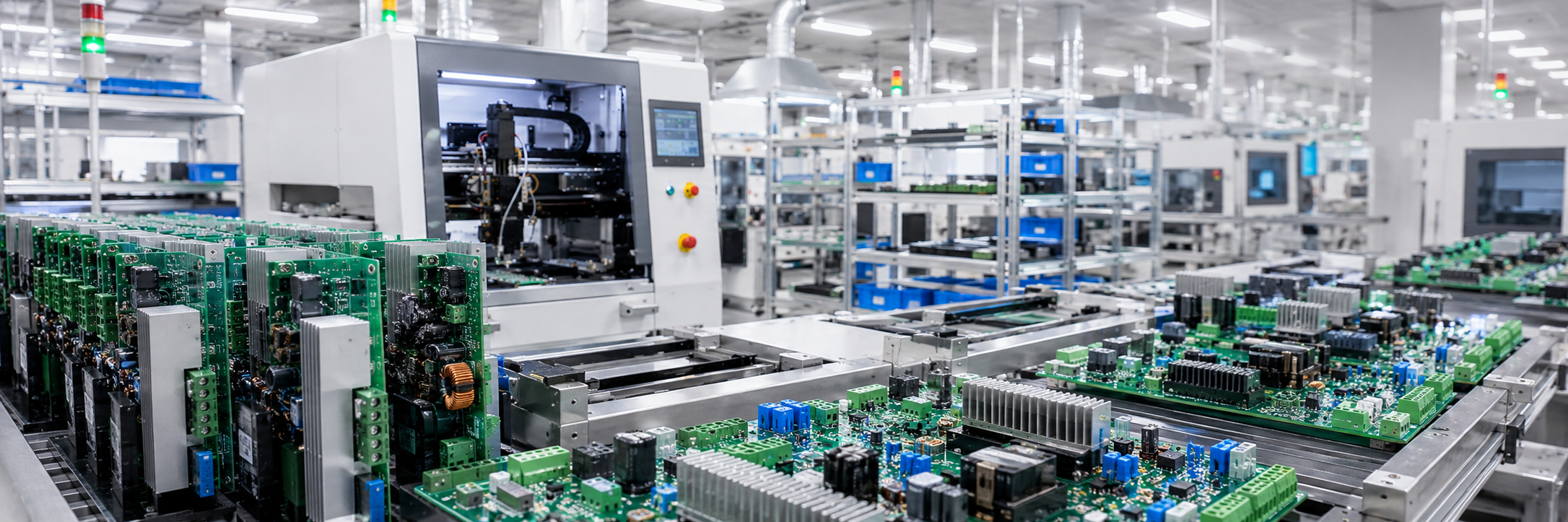
SECTOR / 02
Medical Devices
Working on medical technology comes with a different set of risks; a failed diagnostic tool isn’t just a bad customer experience – it’s potentially dangerous for patients. PCBark offers Class 3 inspection upon request per the IPC-A-610 standard (270deg circumferential wetting, no voids on solder joints) along with full batch traceability documents. All BGA devices undergo X-ray inspection. Our medical partners get to sign an NDA prior to us even looking at their designs. 10-200 lot-sized production run? You can bet this is the bare minimum expected quality.
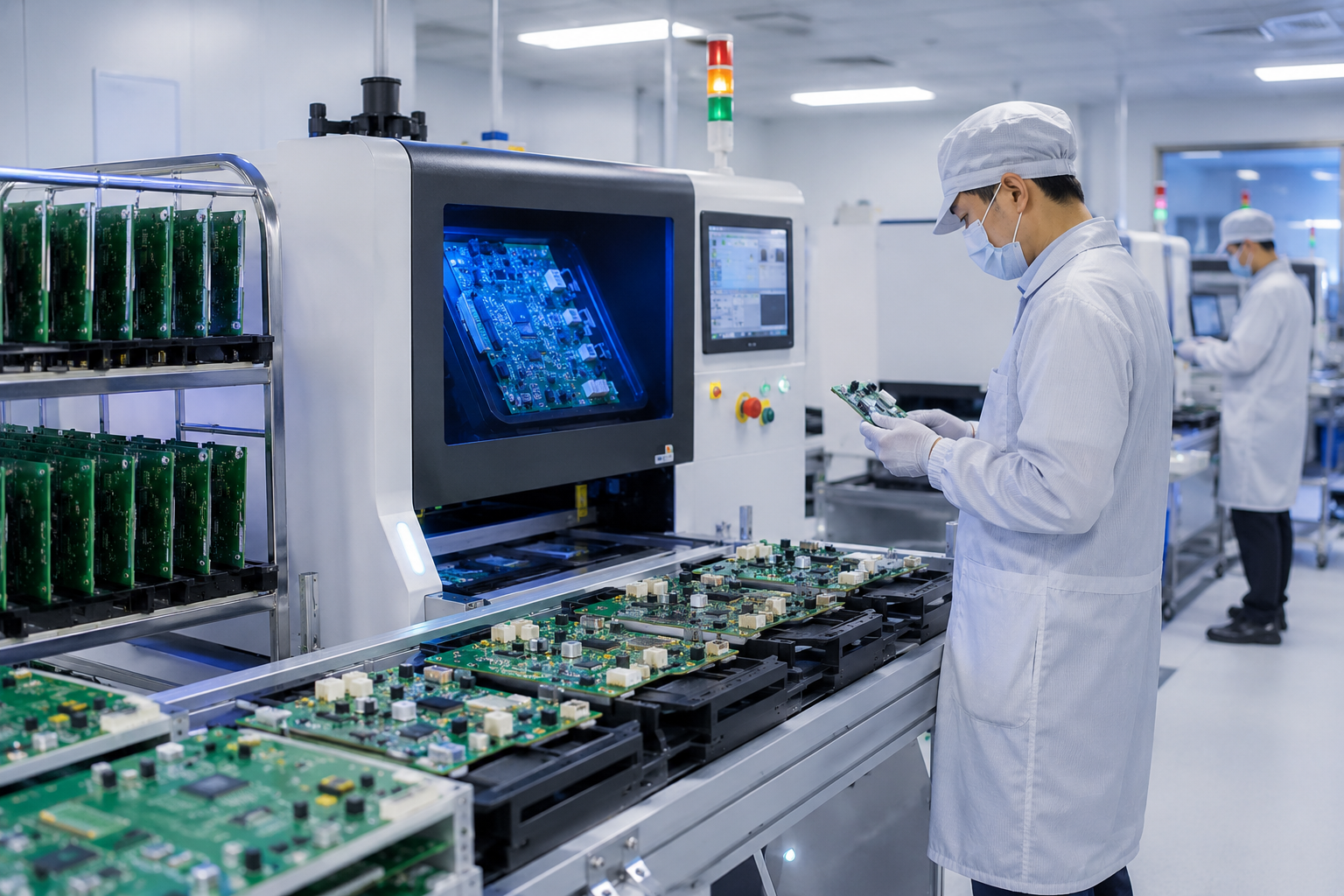
SECTOR / 03
Industrial Automation & Power Electronics
Even the highest performance electronics operating in high vibration and thermal stress environments aren’t always suitable for purely SMT-based solutions. The ability to integrate mixed-technology designs is something our teams and equipment handle effortlessly; PCBark can place surface-mount and conventional components side-by-side. Only components sourced from authorized distributors with valid date code tracking is used. Typical quantities: 25 to 500 units per quarter.
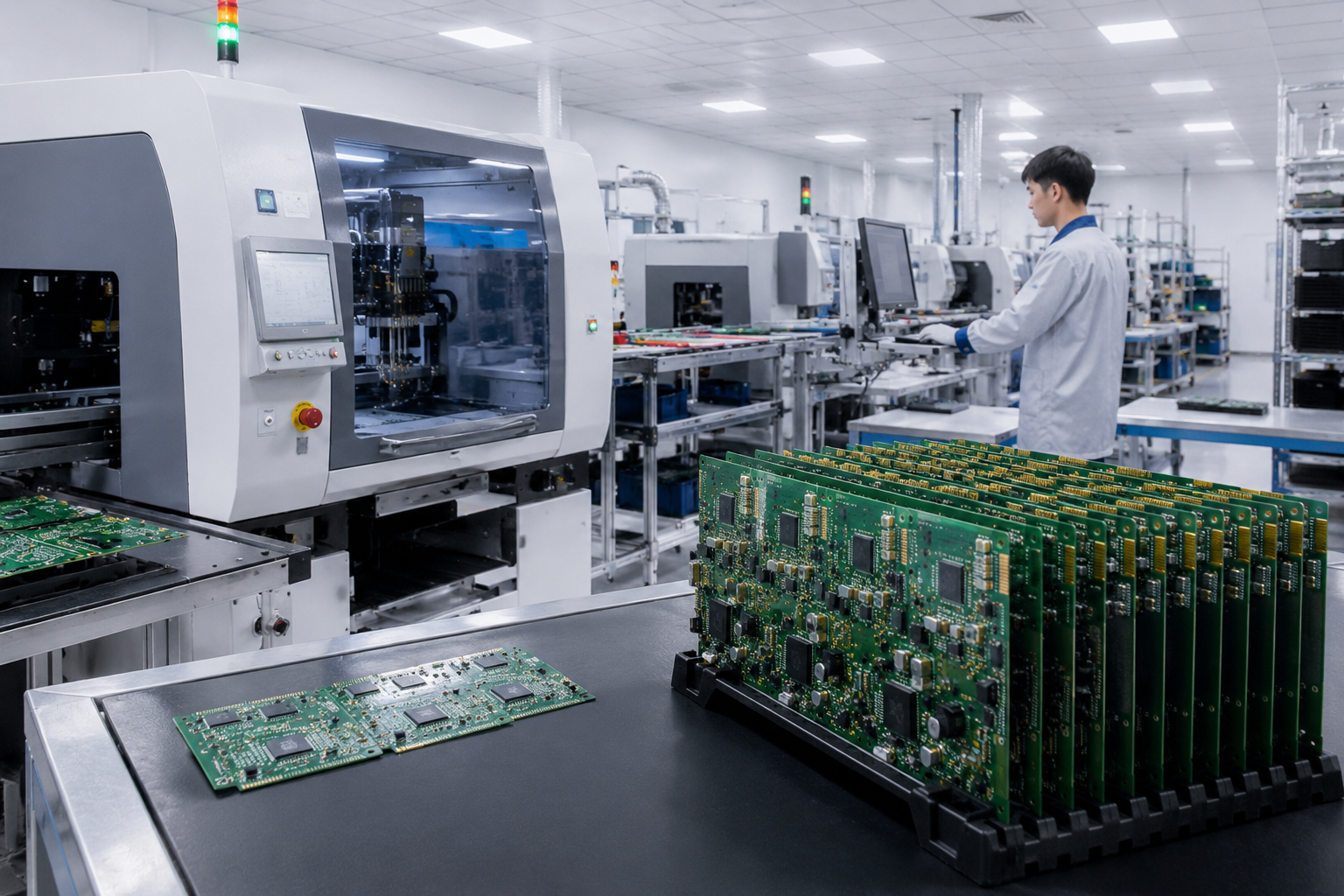
SECTOR / 04
Defense & Aerospace Prototyping
For the defense prototyping scenario of 5 to 50 boards per cycle, we accommodate rigorous IP-protection standards with our company’s strict confidentiality policy and isolated server network. Defense teams also expect full-chain batch traceability for everything; since we’re B2B-only, any specific documentation requirements can be directly communicated to a dedicated export account manager rather than get lost in a general support system.
SECTOR / 05
Startup & R&D Labs
The DFM team has many design iterations faster than the assembly house detects problems the engineer overlooked: PCBark’s free 24 hour DFM review often identifies pad geometries, stencil aperture violations, bill of material conflicts. No MOQs here: submit 5 for functional validation, then 25 for user testing, then 100 for a pilot run, without re-qualifying each new supplier at each cycle.
Have application-specific requirements? PCBark’s export team handles non-standard documentation, NDA sign-off, and application-specific inspection requirements. Send us your project details.