
Get in touch with PCBark Company

Quick-Turn / Fast PCB Assembly
Quick Turn PCB Assembly: 24-Hour Turnaround From a Turnkey EMS Partner
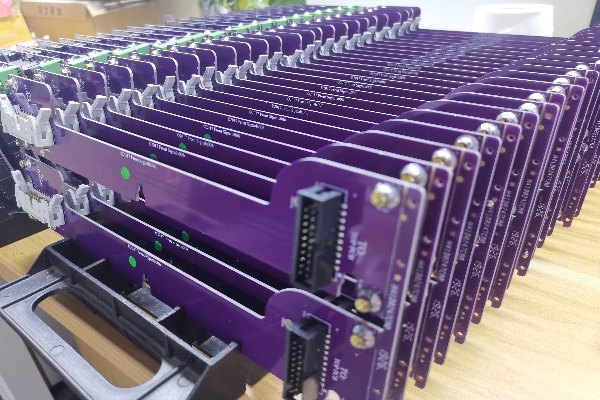
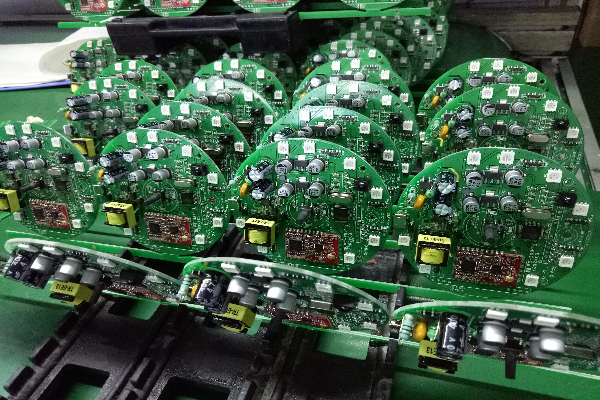
Quick turn PCB assembly compresses a build that normally runs weeks into 24 hours to 10 days, without trading away IPC Class 2 or Class 3 reliability. PCBark assembles prototype and low-to-mid-volume printed circuit boards straight from your Gerber files and BOM, with no minimum order quantity, full DFM review, and turnkey component sourcing under one roof.
● SYS. PARAMETERS / ACTIVE
24 h
Fastest expedited turn (1–10 boards)
No MOQ
From 1 board to 500+
Class 2 / 3
IPC-A-610 acceptance
2–16+
Layer count, FR4 to Rogers
SMT·THT·BGA
Fine-pitch & mixed assembly
16+ yrs
EMS, 500,000 m²/yr capacity
PCBark 4-Band Quick-Turn Lead-Time Matrix: 24 Hours to 10 Days
Most quick-turn pages quote a single vague window (“1–5 days”). We publish the actual turnaround by quantity, because what’s achievable in 24 hours for ten boards isn’t achievable for five hundred. This matrix is the schedule we commit to once files are approved and parts are on hand, the same “assembly clock” convention the rest of the industry uses, where the count start the day after your Gerber, BOM, and components are confirmed.
| Order Quantity | Expedited turn | Standard quick-turn | Best-fit project |
|---|---|---|---|
| 1–10 boards | 24 hours | 48–72 hours | First prototype, design validation |
| 11–50 boards | 48 hours | 3–5 days | Bring-up batch, pilot run |
| 51–100 boards | 3 days | 5–7 days | Beta units, field trials |
| 100–500 boards | 5 days | 7–10 days | Low-volume production launch |
Quick-Turn Feasibility Gate, will your board hit the 24-hour band?
The fastest tiers are bounded by four levers, and honesty here saves you a missed promise. Expedited 24-hour builds work best when the board is within roughly: ≤10 boards, a BOM of ≤15–20 line items with all parts in stock, ≤70–150 SMT placements per board, and ≤6 layers.
Push past those, long-lead components, 10-layer HDI, hundreds of unique parts, and the realistic band moves to 48–72 hours or a few days. Component sourcing, not the assembly line, is the bottleneck that most often breaks a 24-hour promise, which is exactly why a turnkey shop with stocked authorized-distributor channels protects your date.
What We Can Assemble on a Quick-Turn Schedule
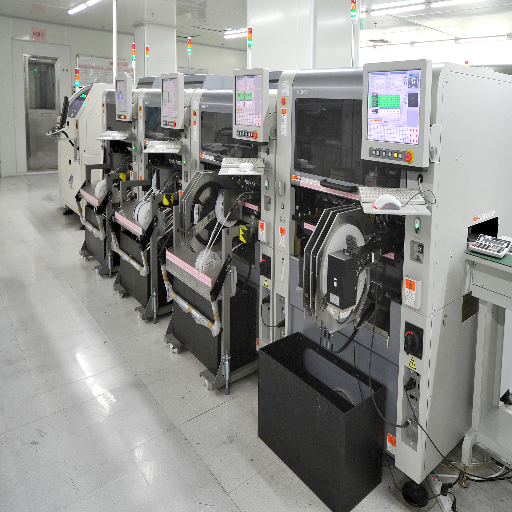
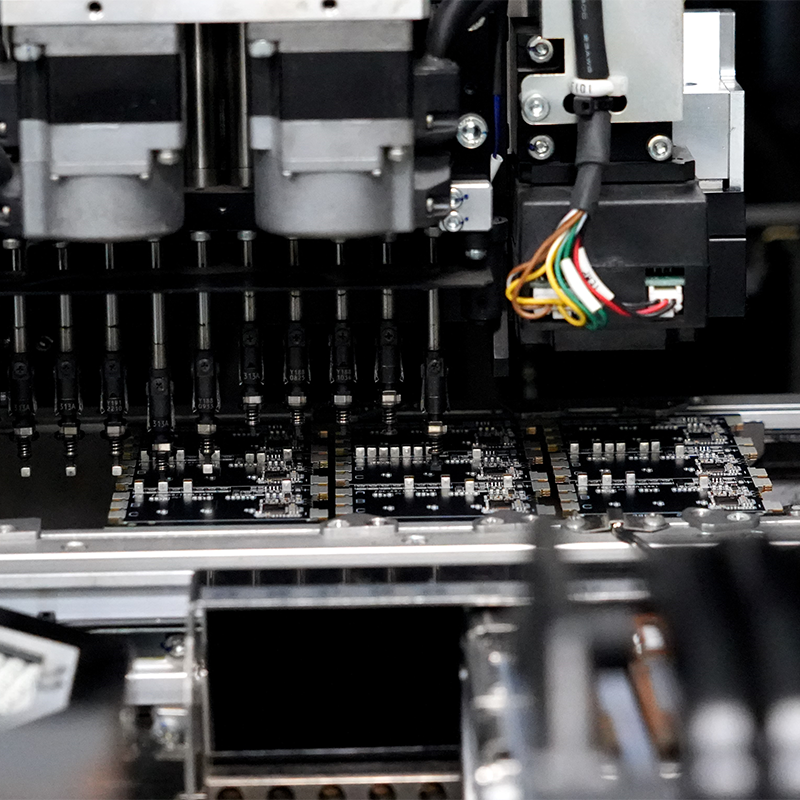
Speed is only useful if the line can build the board you actually designed. Our line runs automated SMT placement down to fine-pitch and 0201 passives, mixed SMT-and-through-hole assembly, and BGA and QFN packages, the same process chain a modern surface-mount line uses, which a 2024 USPTO filing describes as solder-paste printing, solder-paste inspection (SPI), reflow soldering, and automated optical inspection (AOI). The capability table below is the working envelope for a quick-turn order.
| Parameter | Quick-turn capability |
|---|---|
| Layer count | 2 to 16+ layers (multilayer, HDI) |
| Base material | FR4 (Tg 135/170/180), aluminum / MCPCB, Rogers RF, polyimide flex |
| Copper weight | 0.5 oz to 3 oz (heavy copper on request) |
| Min trace / space | 0.10 mm / 0.10 mm (4/4 mil) |
| Min laser via | 0.10 mm (4 mil) |
| Min BGA pitch | 0.40 mm fine-pitch BGA; 01005/0201 passives |
| Assembly type | SMT, through-hole (THT), mixed, single- or double-sided |
| Solder process | Lead-free (RoHS) and leaded; SPI + reflow + selective/wave |
| Surface finish | ENIG, lead-free HASL, immersion silver, OSP |
| Inspection & test | AOI, X-ray (BGA), flying probe, ICT, functional test (FCT) |
Board-Type Fit on a Quick-Turn Line
| Board type | Typical fastest turn | Notes |
|---|---|---|
| Rigid 2-layer | 24 hours | Highest yield, lowest risk |
| Rigid 4–6 layer | 48 hours | Standard multilayer |
| Rigid 8–16 layer | 3–5 days | Lamination adds time |
| HDI / microvia | 3–5 days | Sequential build-up |
| Flex PCB | 3–5 days | Polyimide handling |
| Rigid-flex | 5–7 days | Mixed stack-up |
| Aluminum / MCPCB | 48–72 hours | Thermal LED / power boards |
| Heavy copper (≥3 oz) | 3–5 days | Etch / plating control |
| Rogers / RF | 5–7 days | Material lead time |
| Metal-core + BGA mix | 5 days | X-ray verification on BGA |
If your board sits at the harder end of that list, say a 12-layer HDI with two BGAs, the smart move is not to force a 24-hour promise but to lock a realistic 5-day date and protect it with full ISO 9001-governed process control. You learn which band your design lands in before you commit, not after.
Quick Turn Without the Quality Trade-Off
How We Compress Lead Time
The assumption worth challenging up front: faster doesn’t have to mean worse. Field guidance across the industry is explicit that “speed and cost aren’t always a strict trade-off” — the time come out of coordination overhead, not out of inspection. We compress the schedule by removing hand-offs, not steps.

Here’s where the weeks actually go in a conventional build, and how a single-roof turnkey flow takes them back. In a multi-vendor model, your bare boards ship from a fabricator to a separate assembler while a third party sources parts, and each handoff adds queue time plus a chance for miscommunication. Running fabrication, sourcing, SMT, and test as one workflow is why industry TCO analysis attributes 30–40% faster lead times to turnkey assembly versus juggling separate vendors. That single-roof flow runs in nine steps: (1) Gerber and PCB design file review, (2) DFM / DFA check, (3) bare-board fabrication, (4) component procurement from authorized distributors, (5) SMT placement, (6) through-hole and selective solder, (7) SPI and reflow, (8) AOI / X-ray / electrical test, (9) IPC-A-610 final inspection and shipment.
Quality is held by inspection density, not by slowing down. Every quick-turn board passes automated optical inspection; BGAs add X-ray; and electrical verification runs by flying probe, ICT, or functional test depending on the program. Acceptance is judged against IPC-A-610 and soldering against IPC J-STD-001, the same criteria a domestic house cites.
“The mistake people make is thinking a 24-hour board skips inspection. It doesn’t. What we cut is the dead time between fab, parts, and the line, not the SPI step or the AOI pass. A rushed board that fails at your bench costs everyone more than a board that ships a day later, so the DFM gate is non-negotiable even on expedited orders.”

| Factor | PCBark (China, turnkey) | Typical US quick-turn house |
|---|---|---|
| Fastest expedited turn (≤10 bds) | 24 hours | 24–48 hours (premium) |
| Standard quick-turn (≤10 bds) | 48–72 hours | 2–3 days |
| Minimum order quantity | None | Often 1–5 boards + setup fee |
| Low-volume unit cost | Lower (labor + scale) | Higher |
| Section 301 tariff to US | ~25% on PCBA (List 3) | 0% |
| Inbound freight (small parcel) | Express air, typically days | Domestic ground |
| Acceptance class | IPC-A-610 Class 2 & 3 | IPC-A-610 Class 2 & 3 |

Certifications & Quality Systems
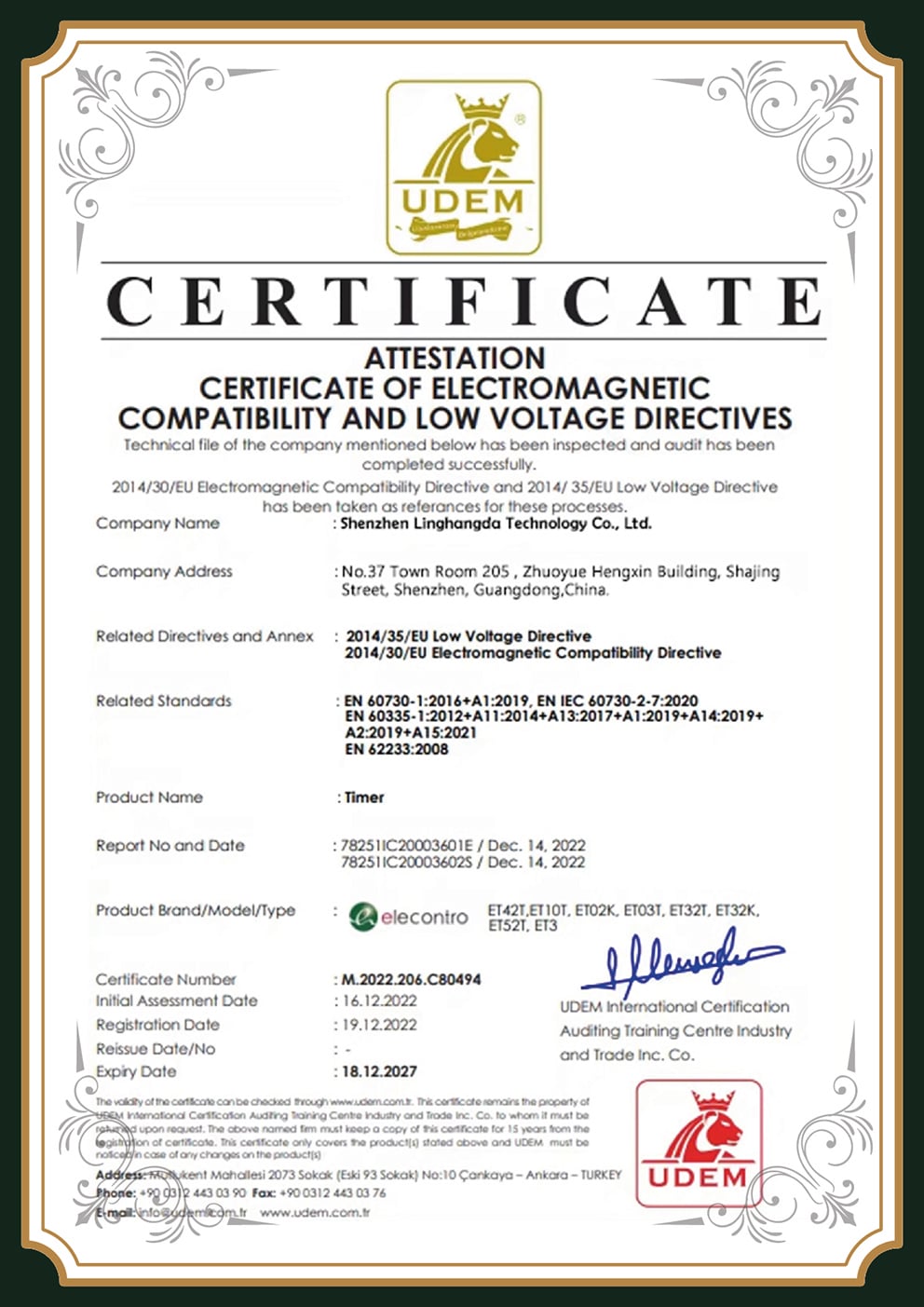
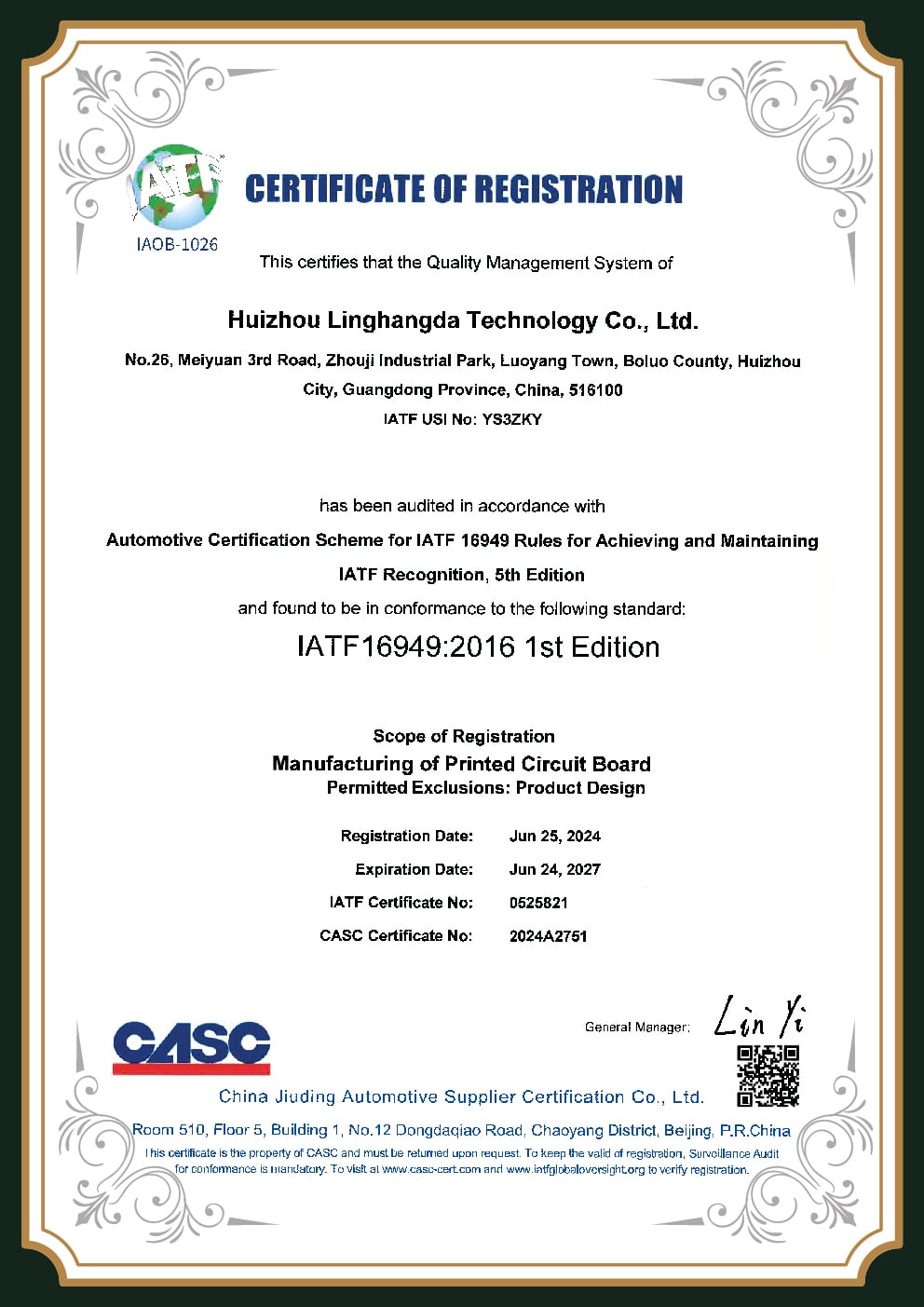
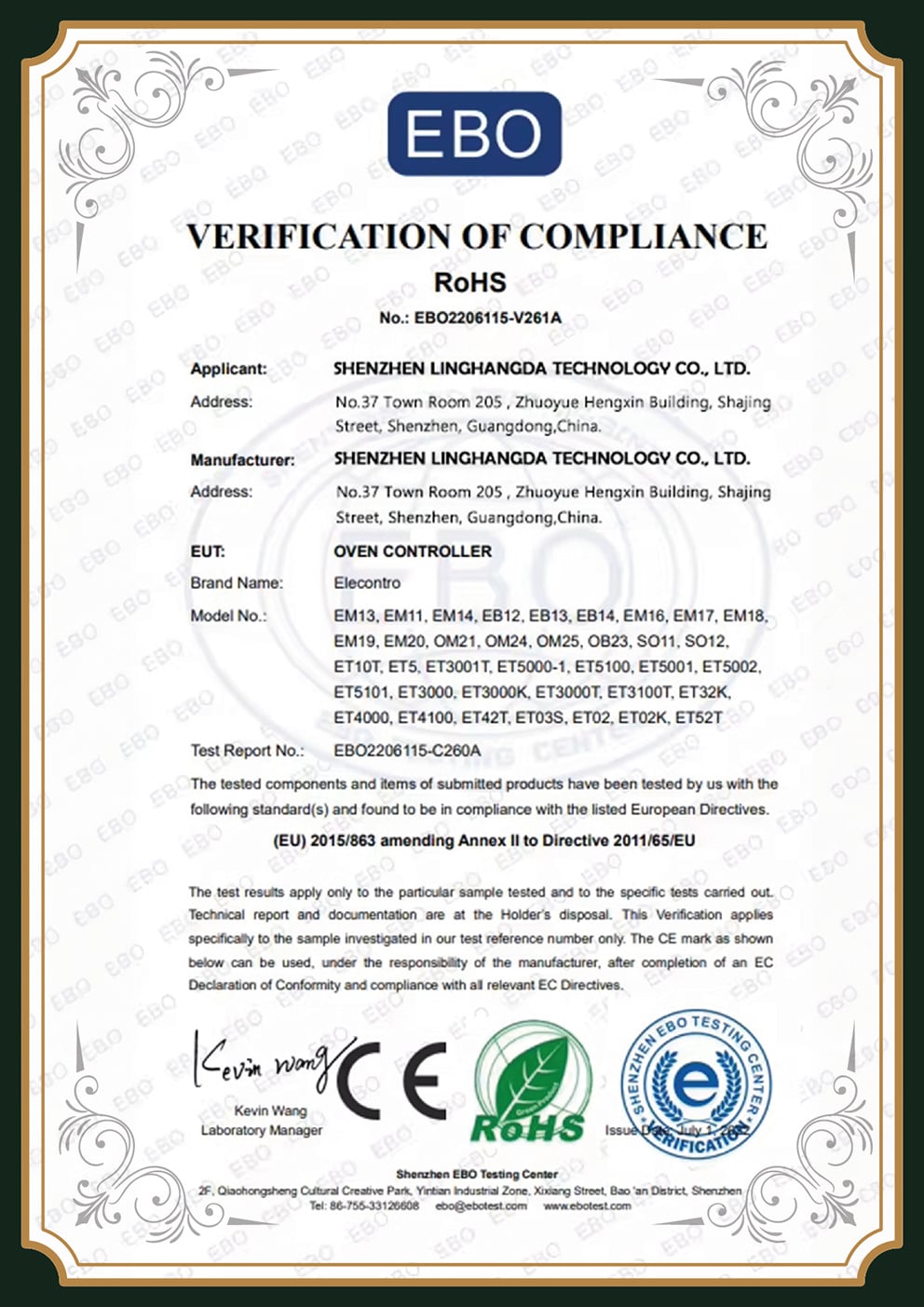
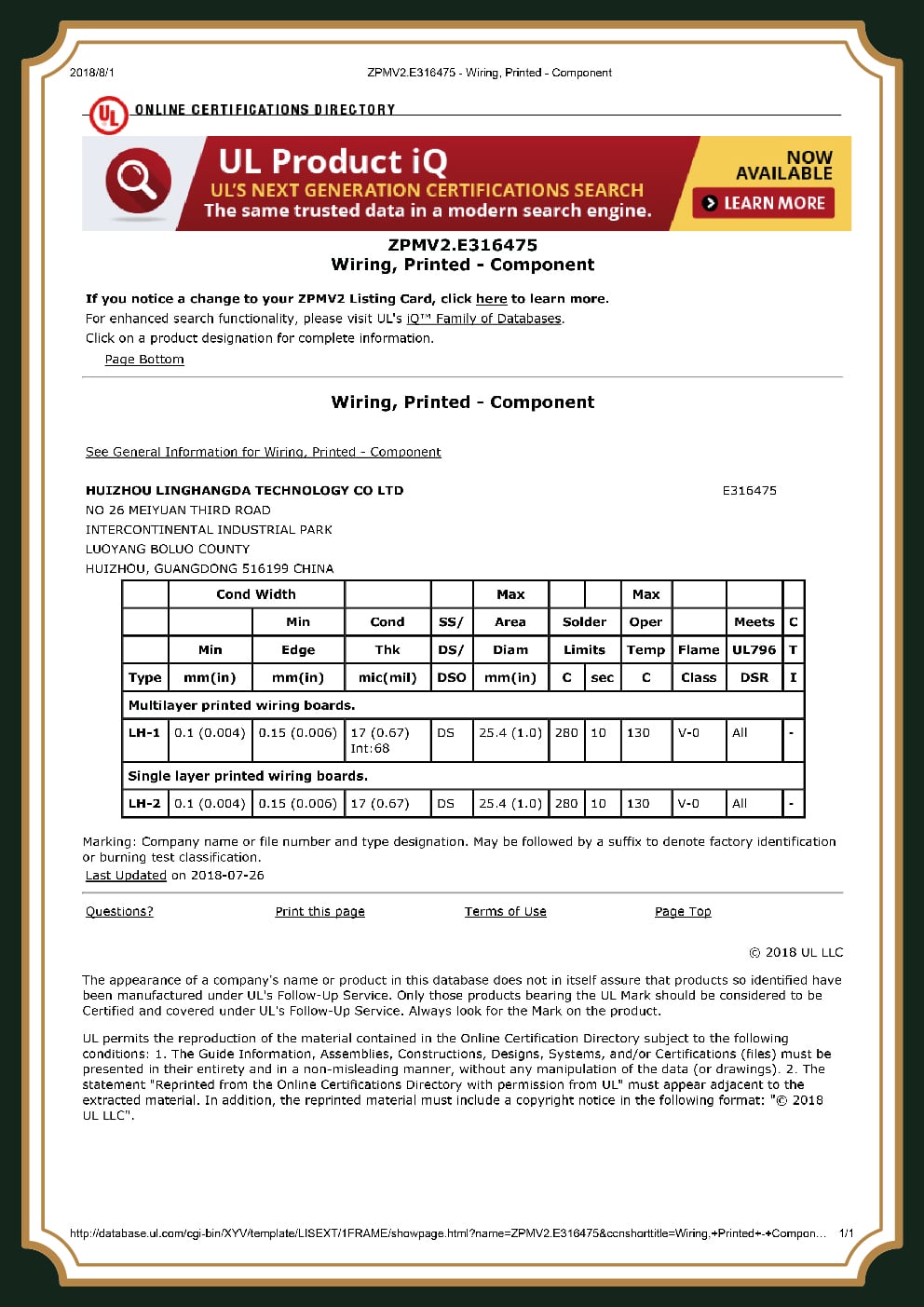
For a buyer evaluating an unfamiliar supplier, certifications are the shortcut to trust, they say the process is governed, not improvised. We build to the standards that matter for commercial, industrial, and high-reliability work.
ISO 9001:2015
Quality management system
IPC-A-610
Class 2 & Class 3 assembly
IPC J-STD-001
Soldering requirements
IPC-A-600
Bare-board acceptance
UL
Recognized board marking
RoHS
Lead-free compliant
What separates Class 2 and Class 3 is not marketing, it is measurable. Per IPC-A-610, Class 2 (dedicated service products) accepts roughly 50% plated-through-hole barrel fill, while Class 3 (high-reliability, where downtime is not an option) demands stricter fill, cleanliness, and annular-ring tolerances. Each board is assembled to the class your application requires, and we state it on the build record, a board destined for a medical or aerospace program is held to ISO 9001-documented Class 3, not quietly built to Class 2 to save time.




From Prototype to Production: No MOQ, Pricing Logic & How to Order
We take orders with no minimum order quantity, one board or five hundred, the same line, the same inspection. That removes the most common low-volume penalty, where a domestic house charges a setup premium that makes a five-board prototype uneconomic.
What actually drives a quick-turn quote
There’s no fixed price list, because a real PCBA quote depends on your specific board. Six factors move the number, and understanding them lets you design for cost as well as speed:
Layer count and board area
More layers and larger panels add fabrication time and material.
BOM line items and placement count
Unique parts and total SMT placements set the assembly labor.
Component availability
In-stock authorized-distributor parts quote and ship faster than long-lead or single-source items.
Turn speed
A 24-hour expedited build carries a premium over a standard 5-day turn, so quick-turn isn’t always the cheapest path for a single order.
Acceptance class
IPC-A-610 Class 3 adds inspection over Class 2.
Turnkey vs. consigned
Full turnkey (we source everything) trades a sourcing margin for speed, while partial turnkey (you supply critical parts) suits teams with existing inventory.
To get an accurate quote in one pass
Send Gerber files (RS-274X), a BOM with manufacturer part numbers and reference designators, and a pick-and-place / centroid file. Flag any part you require from a specific source and any board that needs controlled impedance or blind/buried vias. Complete files are what let a quote, and the 24-hour clock, start the same day, governed by IPC J-STD-001 soldering acceptance. Incomplete BOMs are the single most common reason a quick-turn date slips.
As your design moves from a quick turn prototype to a low-volume production run, the same engineering team and the same files carry forward, there’s no requalifying a new vendor mid-program. Our quick turn pcb assembly services scale without a hand-off: prototype PCB assembly and low volume PCB assembly scale into the same line, and full turnkey PCB assembly covers sourcing end to end. See the parent PCB assembly overview for the complete service range, including through-hole assembly and flex PCB assembly.
Quick-Turn PCB Assembly Tools
FAQ
![High Frequency PCB Guide: RF & Microwave Design [2026]](https://pcbark.com/wp-content/uploads/2026/07/rf-microwave-pcb-guide-featured-1-150x150.png)