
Get in touch with PCBark Company

PCB CAPABILITIES
PCB Manufacturing Capabilities & Quality Standards
What it comes down to is the answer for the purchasing engineer or design engineer selecting a supplier for a critical board, for any engineer at that selecting a factory is this: will this place make my board to design specification, and can it continue to maintain that specification with increasing production? Check out our production services capabilities here below with relevant design rules and quality metrics as our guide:
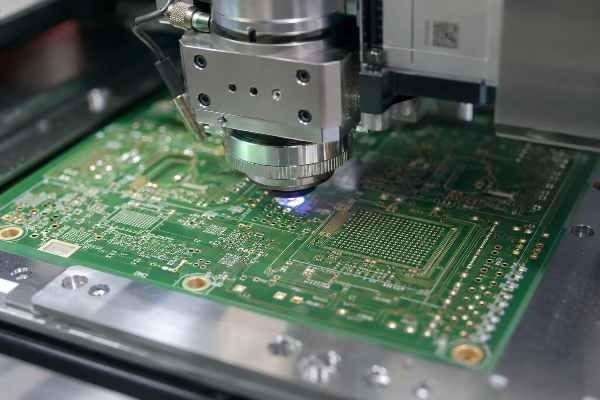
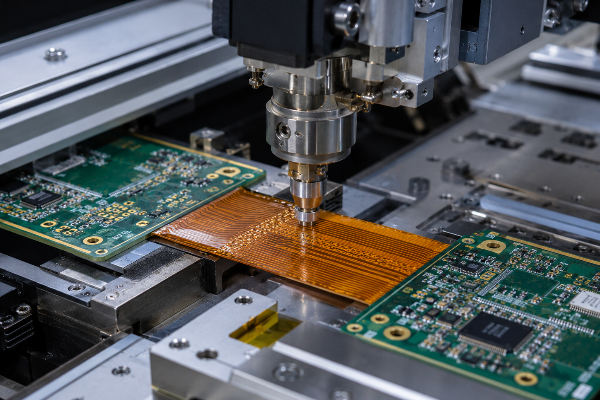
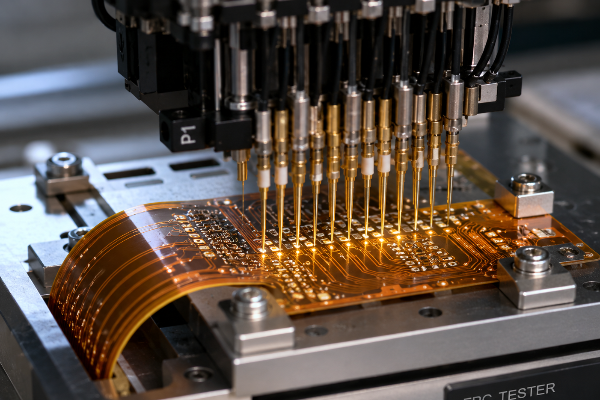
-
1–42layer fabrication
-
8+in-house capabilities, one roof
-
Class 2 & 3IPC build classes
-
4-methodAOI · X-ray · flying probe · ICT
-
500,000 m²annual production capacity
-
16+ yrsEMS manufacturing experience
Why offshore PCB sourcing goes wrong, and what full in-house capability fixes
Strong PCB capabilities are the difference between making one good board and delivering a consistent stream of them – a contrast that seldom, if ever, appears in prototype runs. The pattern that design engineers have to describe is virtually identical every single time: first five boards run perfectly, then somewhere after hundred run, performance drifts, a component orients a little cock-eyed, a part reel is anonymously swapped out, the layer definition get lost internally. A printed circuit board is about as good as the weakest link between your set of gerbers and the assembly panel, therefore the proper question isn’t if the fab is located overseas, but if the fab places the design through genuine engineering gate(s).
It’s well-documented too. Engineers that have run thousands of boards through a fabricator note no problems – only because a Design For Manufacturing review on screen exposed these rotated footprints and under-sized annular rings – when the nightmare stories begin in the factory that built exactly what they were given and then passed the blame around. That checkpoint is what PCBark was built around. Under one roof, we manufacture, assemble, component-source, inspect and reverse-engineer, so the same review team owns the board through final test, not a broker handing it to a fabricator you never qualified.
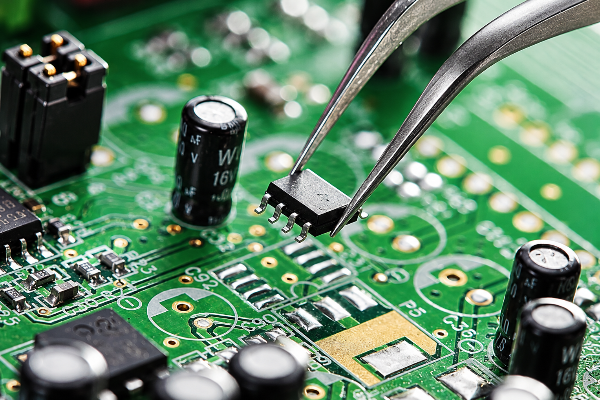
“The board that fails at volume usually passed at prototype. The variable is whether anyone ran a real design-for-manufacturing gate on the files first. We run an 8-point DFM check on every Gerber before a panel is laid out, catching a rotated footprint or an under-sized annular ring on screen costs nothing; catching it after a respin costs weeks.”
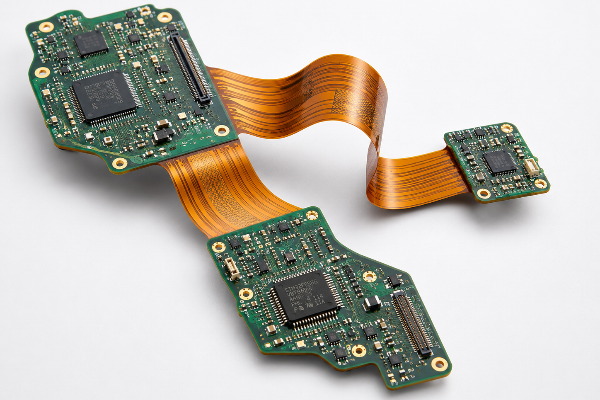
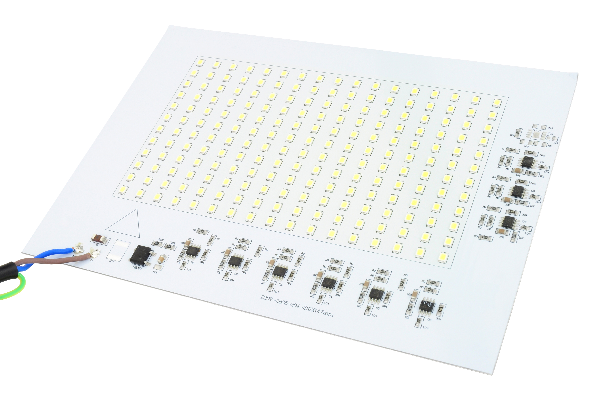
One Roof, Not Brokered, In-House Turnkey From DFM to Test
The most common and least visible offshore risk is structural: many overseas suppliers have no engineering or service team where you’re, so they broker your job to a third-party fab, you qualify one company, and a different one actually build your board. When a defect appears, accountability dissolves into a chain you never agreed to. PCBark removes that chain: fabrication, SMT assembly, component sourcing, functional test and reverse engineering all run in-house, so the engineer who reviews your design owns it through final inspection, not a broker passing your files to a fab you never qualified.
That single-roof turnkey PCB assembly flow runs in one sequence: DFM review, transparent component sourcing, fabrication, SMT assembly, test, and final inspection, one accountable chain that protects board reliability from design to dock. Component sourcing is where brokered models leak trust: engineers report substituted reels and parts they never approved. Because we purchase and place in-house, the bill of materials you sign off is the one we build, and any substitution is flagged for your approval rather than made silently. For full board-level assembly, our circuit card assembly capabilities cover SMT and through-hole down to fine-pitch BGA and QFN packages.
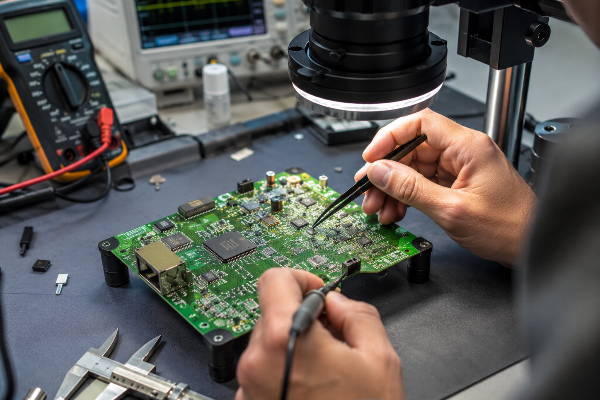
What in-house actually buys you
Brokered printed board passes over handoffs you’ve no visibility to, end to end; direct process doesn’t. The advantage? Traceability-the list of components, fabricating data, and also test results is traceable to the single work order, and also a shorter path to resolution whenever rework is required. Because the fabrication and also assembly data reside in the same facility, identifying and fixing the problem is simpler.
Explore Each Capability in Depth
Each of four capability areas features additional details on methodologies, standards and the associated process.
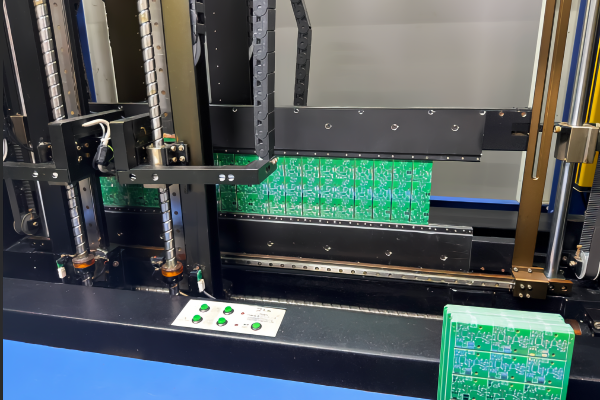
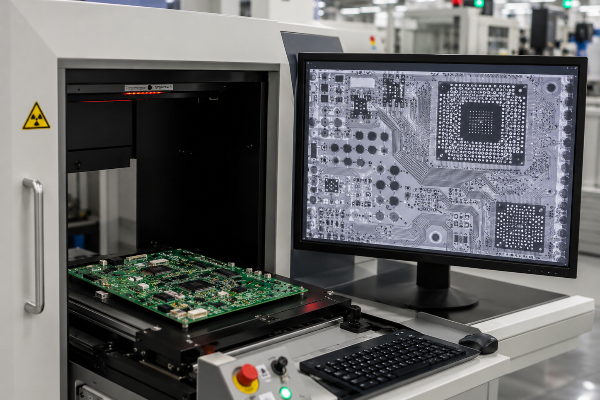
AOI / X-Ray / Flying Probe Inspection
- AOI at 100% of placed components
- 2D / 3D X-ray (CT & laminography) for hidden BGA joints
- Acceptance to IPC-A-610 Class 2 & 3, IPC-7095 BGA voiding
Certifications & Standards
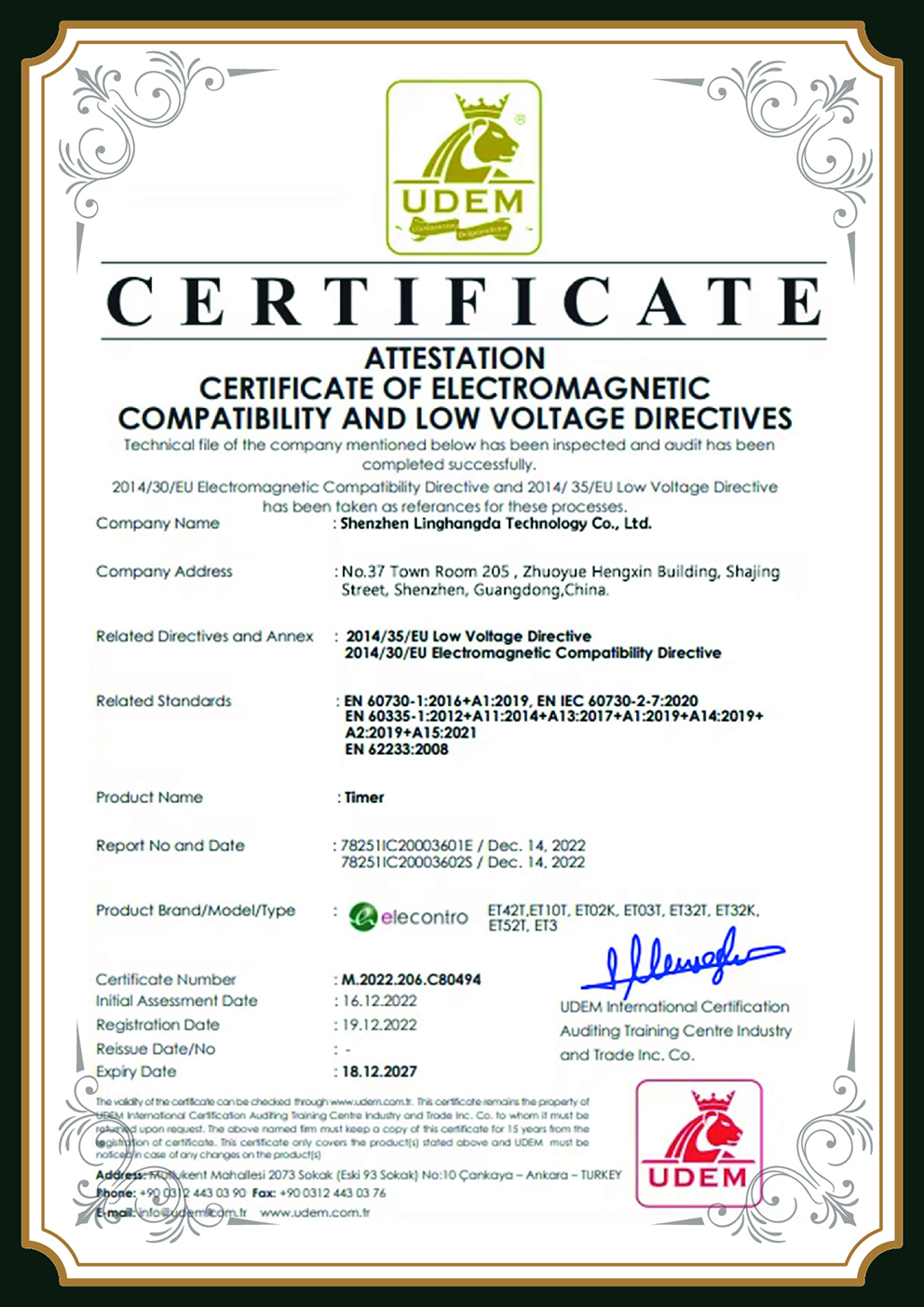
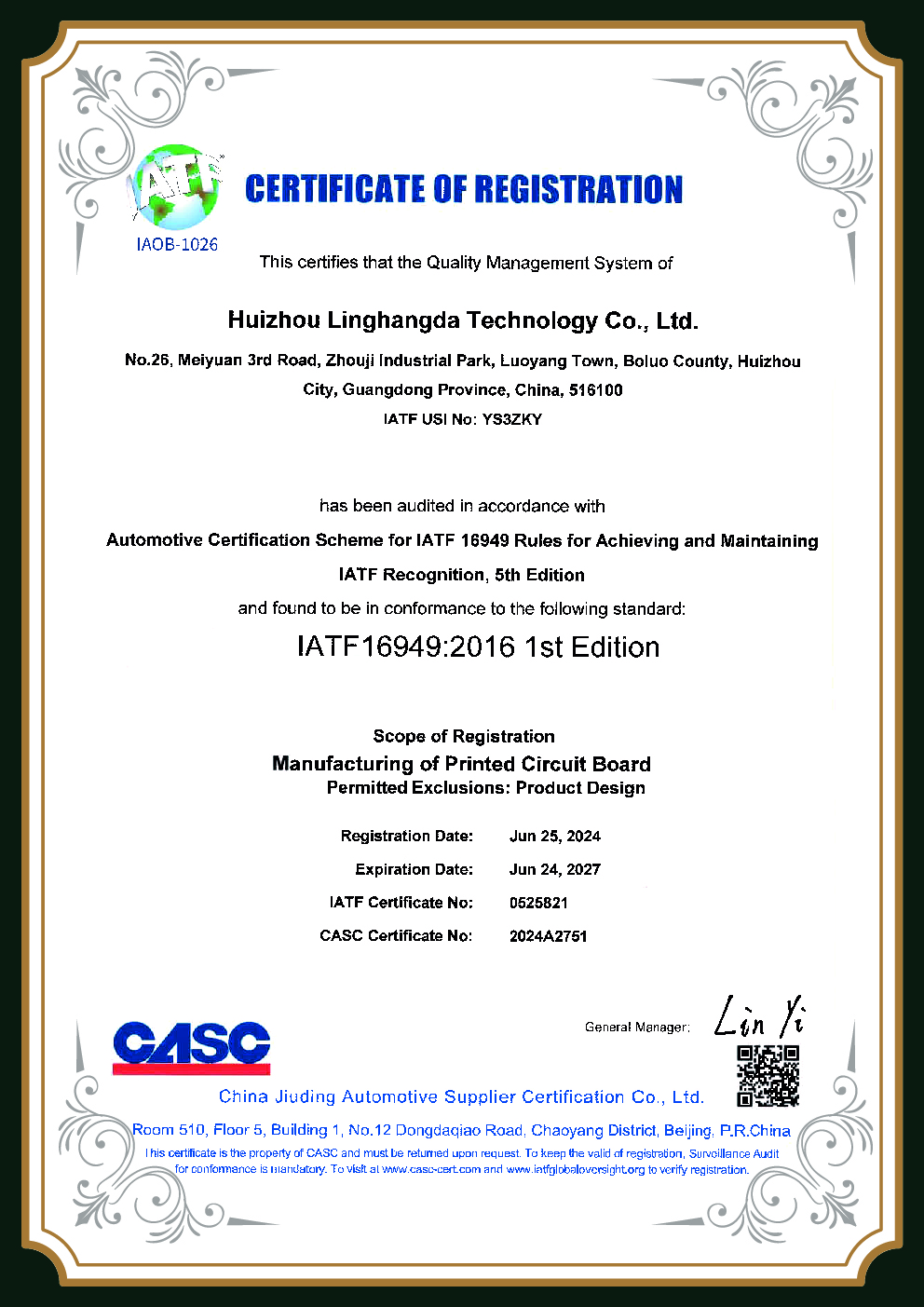
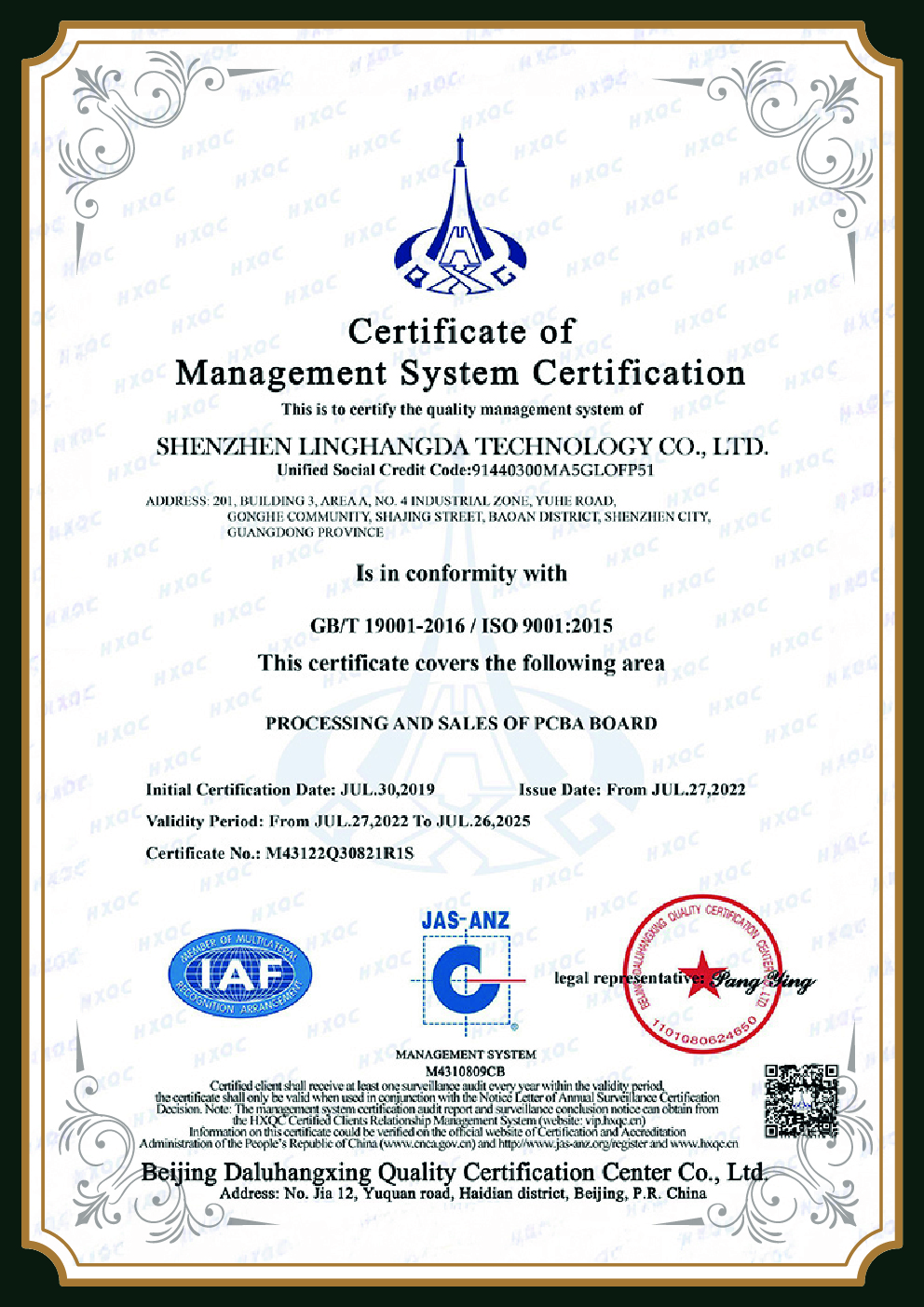
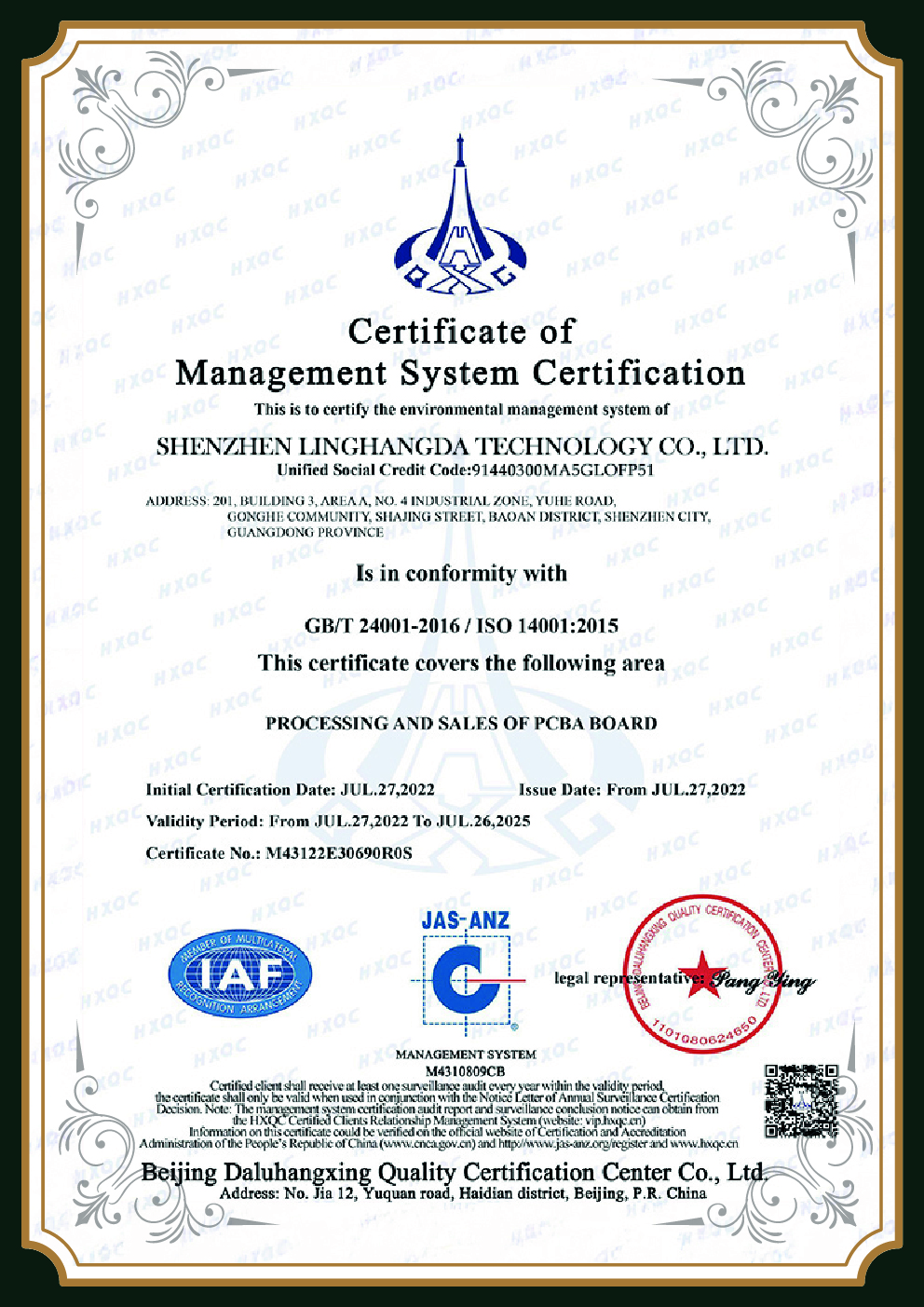
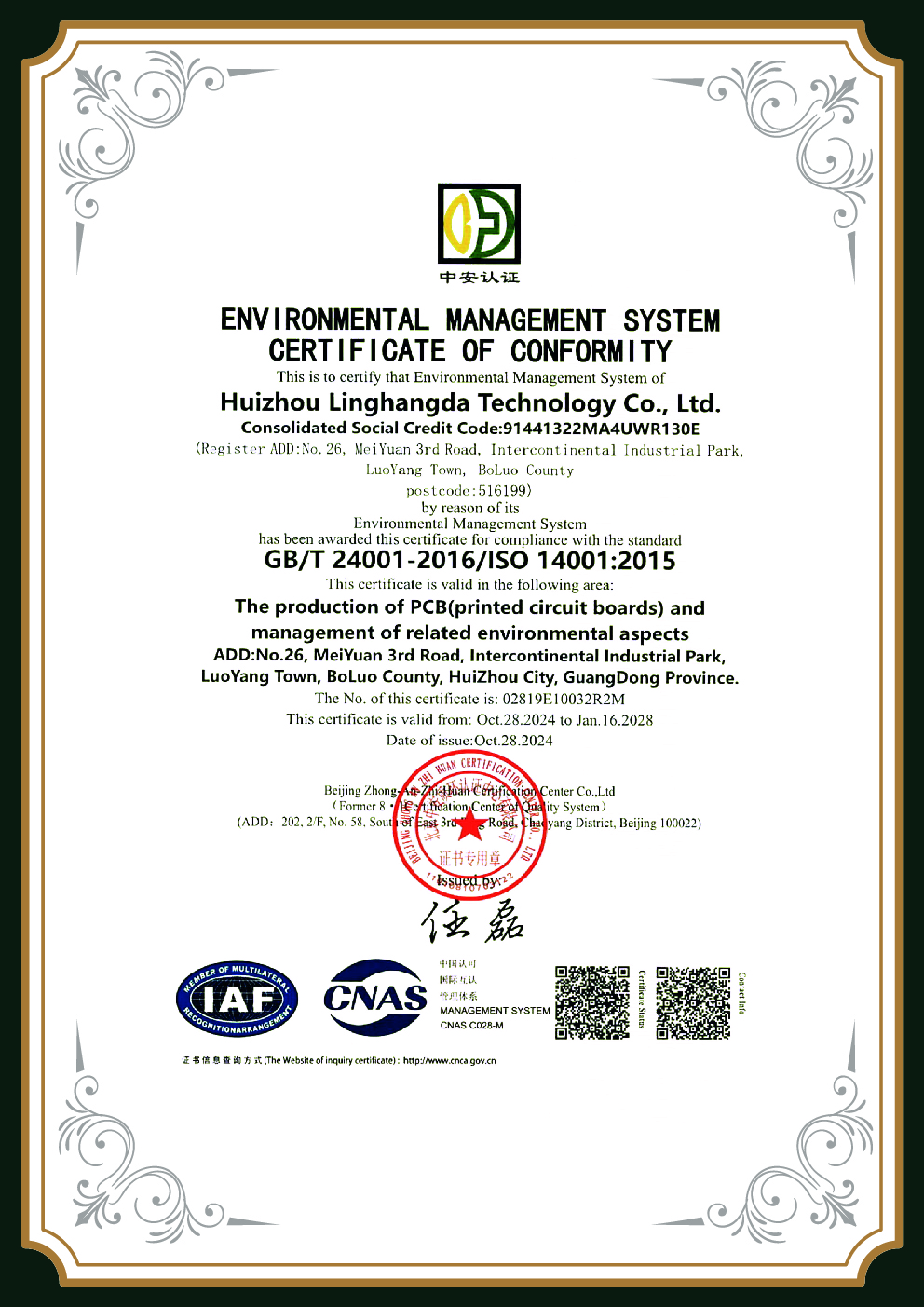
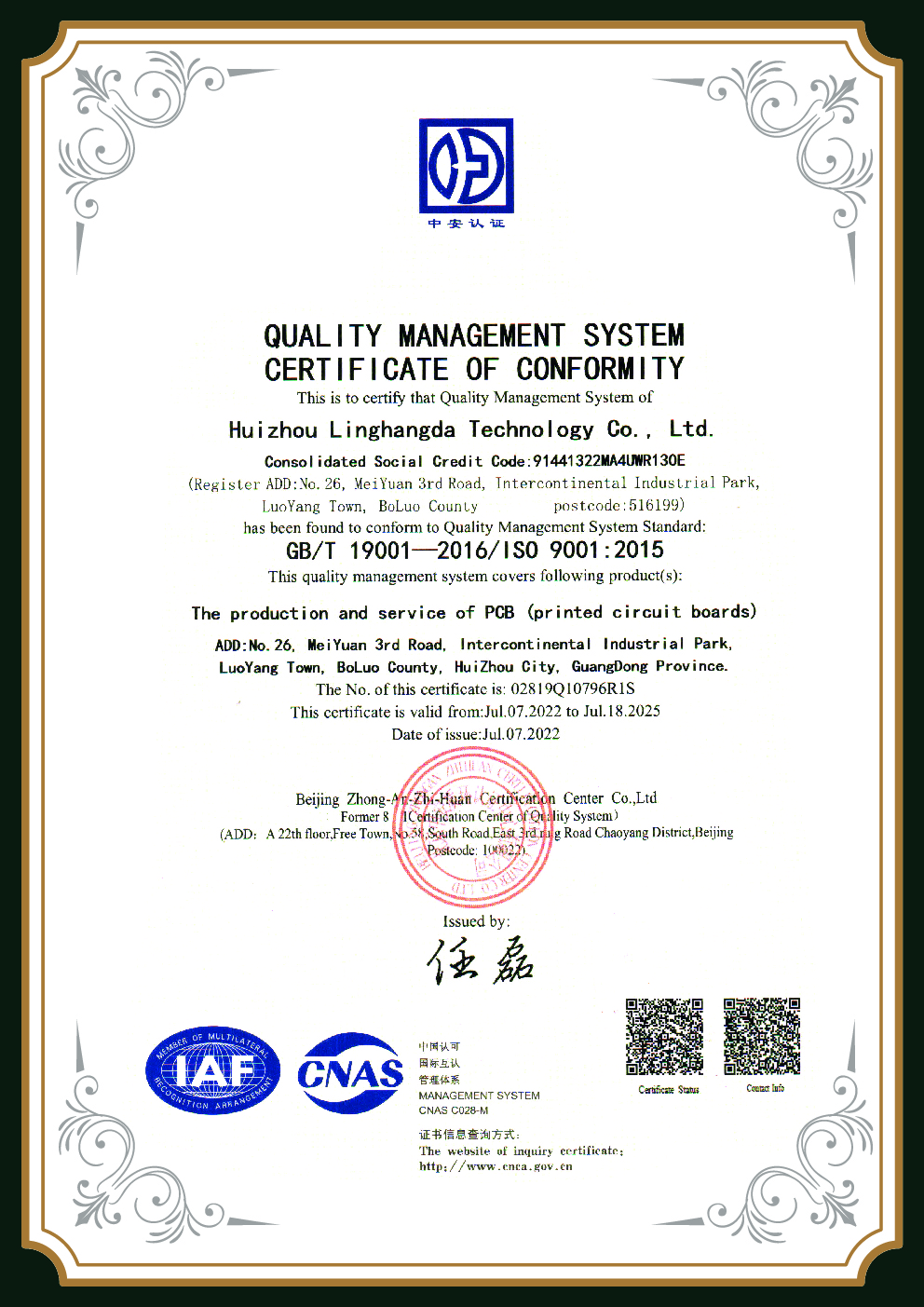
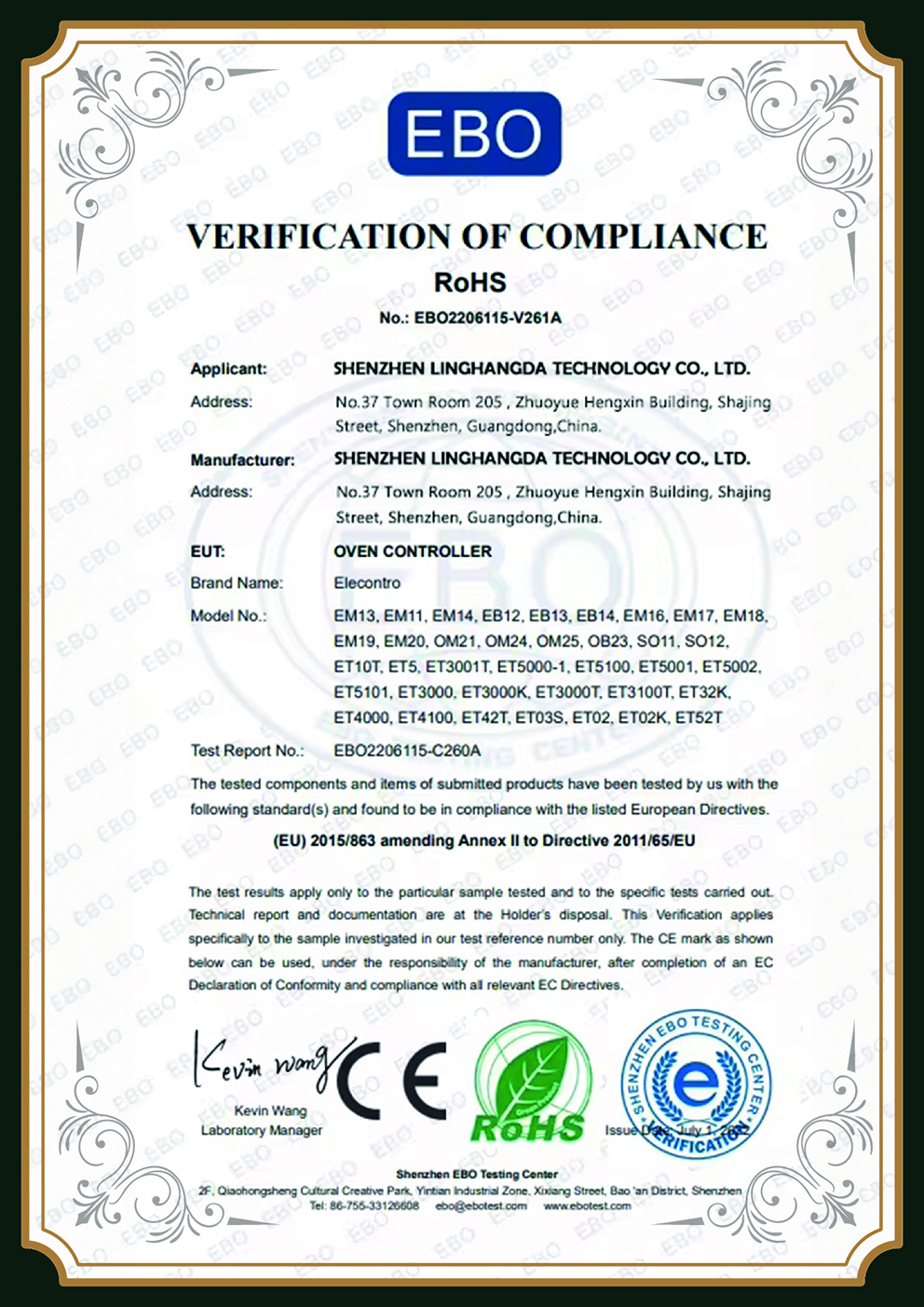
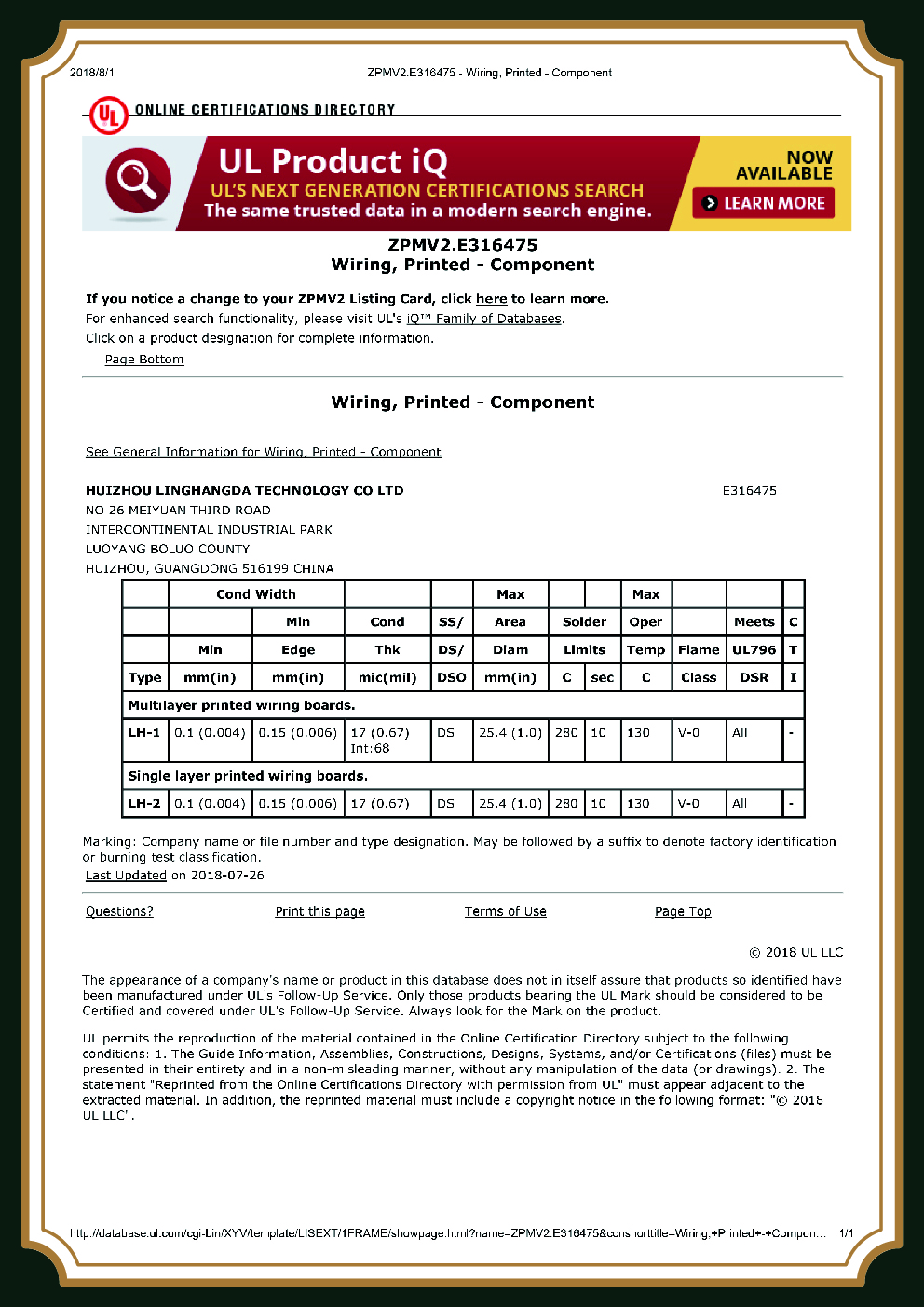
- ISO 9001, ISO 14001, IATF 16949, UL, RoHS / REACH, CE
- IPC-A-600 / 6012 / A-610 & J-STD-001 build classes
- Certificate library & supplier-verification guidance
DFM / DFA Analysis
- 8+ automated design-rule checks on every Gerber upload
- Human engineer review within 24 hours, free of charge
- Trace/space, annular ring, copper-to-edge, netlist, DFA
PCB Reverse Engineering (NDA-Protected)
- Recover schematic, BOM, netlist & Gerber from a board
- 2 to 20+ layers, including blind / buried vias
- NDA-first; IP ownership verified and stays with you
PCBark vs. an Offshore Broker vs. a Prototype Shop, the China-Cost Western-Trust Quadrant
We know the common decision isn’t really, “ Offshore vs. Domestic,” but the actual three-way decision is to trade off a brokered offshore price vs. a more costly, in-region prototype shop vs. a direct-buy in-house manufacturer that owns DFM, fabrication and test under one roof. An impartial buyer paid for his own boards and decided that a direct-to-China PCB manufacturer produced consistent quality much faster than a U.S.-based broker that just packages and resells boards received from overseas – a useful test of the assumptions that drive a program.
| Dimension | PCBark (direct in-house EMS) | Typical offshore broker | In-region prototype shop |
|---|---|---|---|
| Production model | Fab + SMT + sourcing + RE, one roof | Brokered to 3rd-party fabs | In-house, prototype scale |
| Layer range | 1–42 layers | Varies by subcontractor | Often ≤ 8–12 |
| DFM review | Free engineer gate, 24 h | Minimal / pass-through | Yes, slower |
| Inspection | AOI + X-ray + flying probe + ICT | Inconsistent / opaque | AOI, limited X-ray |
| Proto → volume consistency | Process-controlled to production | “Fine to ~100, then problems” | Strong proto, limited volume |
| Build class | IPC Class 2 & 3 | Often unverifiable | Class 2 typical |
| Unit cost | China-cost, direct | China-cost + broker margin | Highest |
| IP handling | NDA-first, IP stays with you | Files routed via middlemen | Local jurisdiction |
The honest version is that the cheapest line-item quote is frequently the most expensive program once a respin, a stalled delivery, or a token-coupon dispute is priced in. In the China-Cost Western-Trust Quadrant, PCBark’s position is the corner most suppliers leave empty: direct China-cost fabrication with the in-house engineering, inspection and IP discipline buyers expect from a Western fab. We won’t claim country of origin settles quality, the process does.
Certifications & Compliance Standards, the Capability-Class Ladder
Our stack of certifications, including ISO 9001 and IATF 16949, demonstrate factory operational discipline at the management level; our commitment to industry standards is communicated by our compliance with IPC-based acceptance classes. Since they do not substitute for each other, we always mention both.
- ISO 9001 Quality mgmt system
- ISO 14001 Environmental mgmt
- IATF 16949 Automotive QMS
- UL / 94V-0 Safety / flammability
- RoHS / REACH Materials compliance
- CE EU conformity
- IPC Class 2 / 3 A-600 / 6012 / A-610
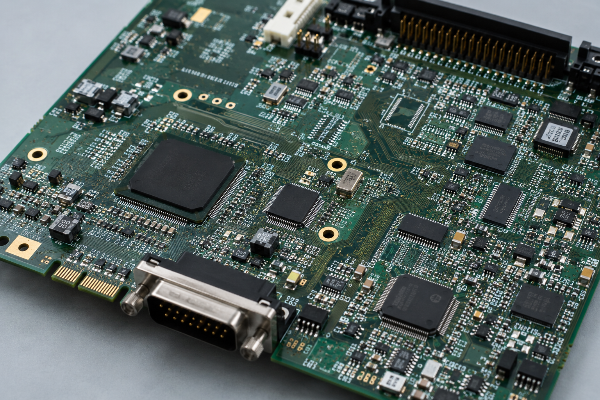
The Capability-Class Ladder: IPC Class 2 vs Class 3
Before you specify us for a regulated build
Certificate registration numbers and UL files are issued to facilities for each audit cycle. These numbers will evolve, so please request the current PDF versions of our certificates for your project instead of relying solely on the logos-verifying the active certificate document is one of the single steps most buyers miss during supplier evaluation and then come to regret.
Request the current certification & compliance pack →Working With PCBark, Lead Time, Volume & Sourcing Transparency
Capabilities page information for a price or lead time is often based on an assumption; after all, these factors vary with your stackup, volume, finish and build class. Instead, consider these key variables that are actually a part of your PCBark quote, which we believe allows for more accurate RFQ preparation.
Layer count & technology
Single/double-sided vs high-layer, HDI microvia, rigid-flex
Material & finish
FR-4 vs aluminum / Rogers / ceramic; HASL vs ENIG / immersion silver
Build class
IPC Class 2 vs Class 3 (added inspection & coupon testing)
Volume & panelization
Prototype / low-volume vs production runs and panel utilization
Assembly scope
Bare board vs turnkey SMT + sourcing + test
Test depth
AOI only vs added X-ray, flying probe / ICT, functional test
Two procurement realities buyers raise come up most, and here is our position on each:
Component Sourcing
Since all purchasing occurs in-house, the approved BOM you send us is what we’ll build; any substitution is clearly communicated for your approval.
Quality Escape
Many customers express frustration not at the defect itself, but the resolution; this is often expressed in the form of a meager coupon and a struggle to get actual repairs performed. Inquire with us regarding quality-escape processes and rework arrangements before placing a production order, as any facility unable to openly provide this information isn’t being forthright.
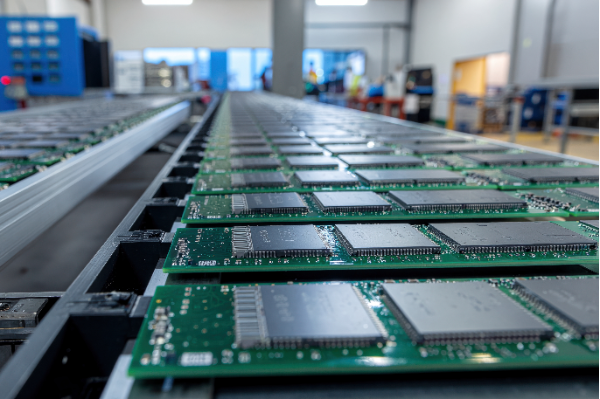
PCB Engineering Tools
Is a China-based PCB manufacturer good enough quality for commercial production?
Yes – When a real DFM gate occurs at the facility and inspection is performed to IPC Class, it isn’t country of origin that’s the indicator of future quality. Boards which fail after achieving scale tend to trace to a neglected design review and handoff, not the geographical origin of their fabrication. PCBark builds to IPC Class 2 and 3 with 100% AOI, X-ray, flying probe and ICT coverage, and reviews every design before fabrication.
Will quality stay consistent when I scale from prototype to 100+ boards?
That scale-up jump in difficulty you’re wisely concerned about at volume has nothing to do with fate and everything to do with process control: The in-house procurement department’s assurance that reels won’t be secretly swapped, the inspection line operating the same on board 1,000 as on board 1, and having acceptance verified against IPC-A-610 every run. Ask every supplier for how they ensure consistency during high-volume production – their answer will reveal whether you’re dealing with a true fabricator or merely a broker.
Are the components genuine, or do offshore fabs use counterfeit parts?
Counterfeit and unapproved substitutes are a legitimate, documentable, offshore risk, and this is never worse than in brokered models when you’ve no visibilities to who purchased parts. PCBark source in-house against your approved BOM; substitutions are surfaced for your approval rather than substituted on the fly to keep the line moving.
Do you actually manufacture and assemble in-house, or broker my job out?
In-house. Fabrication, SMT assembly, component sourcing, test, and reverse engineering all operate under the same roof. You qualify the company manufacturing your board – not a sales front that subcontracts the manufacturing to a fab you may never see.
How is my IP protected when I send Gerber and BOM files?
Design files are managed under NDA and in the case of reverse-engineering work, the NDA is executed prior to review of any files or boards and IP ownership is verified up front, with the recovered data delivered back to you. Your layout is the investment your engineers have made in design for ease of manufacturability; we treat your IP accordingly.
What are the 7 types of PCB testing methods?
- In-house solder paste inspection
- Automated optical inspection (AOI)
- X-ray / AXI
- Flying probe test
- In-circuit test (ICT)
- Functional test
- Final visual / dimensional inspection
We implement this layered inspection so each method catches faults the others can’t, see the inspection coverage stack above for what each one verifies.
Can you handle ITAR or defense work?
PCBark lists ITAR among the compliance standards it maintains and supports defense-adjacent industrial and aerospace programs. That said, US defense work that requires DDTC-registered, US-based production is structurally limited for any offshore fabricator, so confirm your specific export-control and domestic-sourcing requirements with us up front. We’ll tell you plainly what we can and can’t support.
If an order arrives out of spec, what is your remedy?
We address quality escape claims with our team with full reporting, including supporting inspection data. As fabrication, assembly, and test are performed in-house, we can immediately trace a defect to its source, identify opportunities for process improvement at the fabrication site itself, and then implement an appropriate rework / replacement program at the affected lot level – rather than a nominal credit. Be clear about your rework, warranty, and return requirements when receiving a production quote; getting that clarification is a key indicator of potential quality risk.
![16-24 Layer PCB: Stackup, Lamination & Design Guide [2026]](https://pcbark.com/wp-content/uploads/2026/07/16-24-layer-pcb-guide-featured-2-150x150.png)


