Low Volume PCB Assembly Services, From 5 Boards

ISO certified SMT+THT assembly in Shenzhen. No MOQ. Yamaha YSM20R high precision lines. Free DFM review. 7-10 business day TAT.

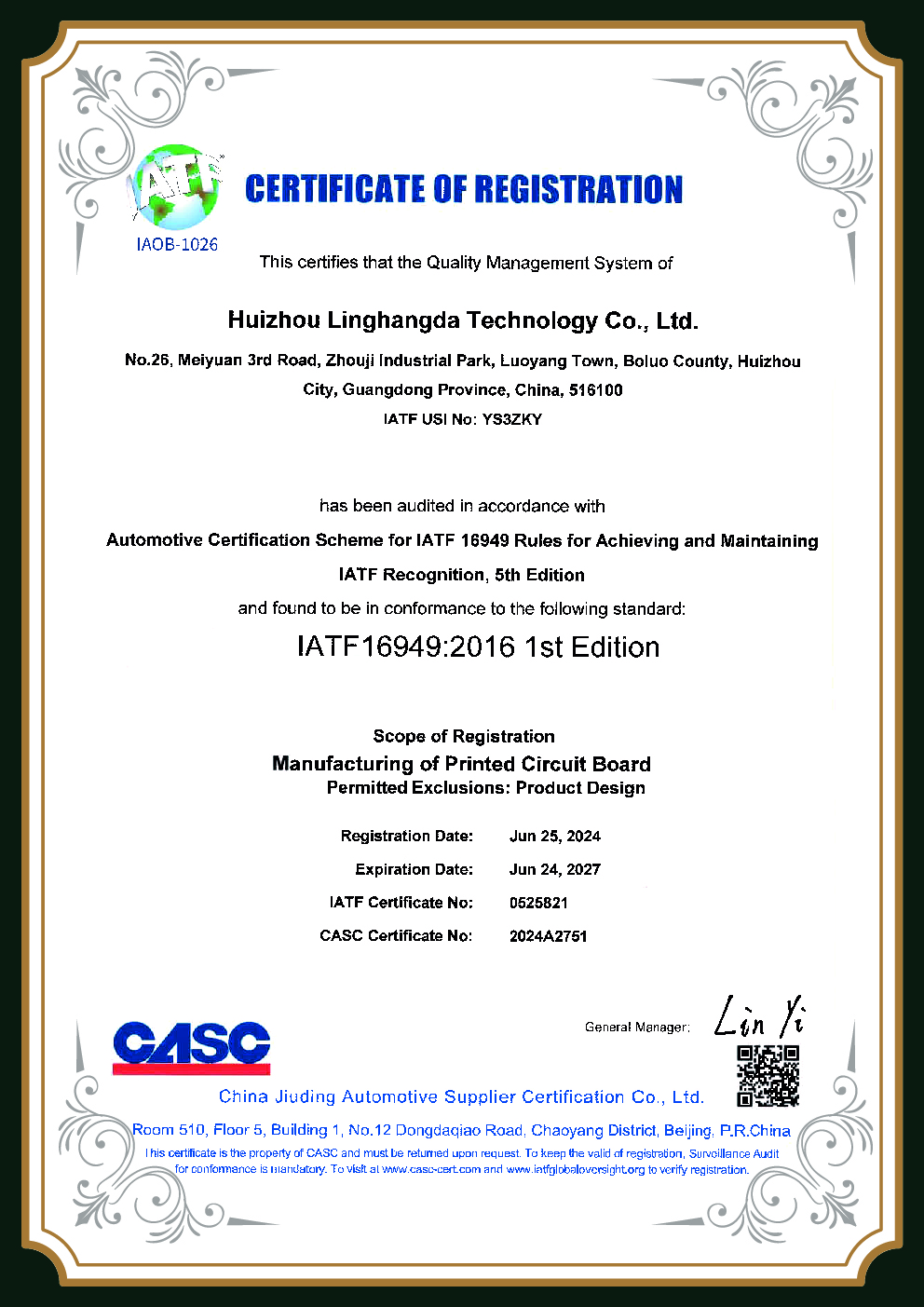
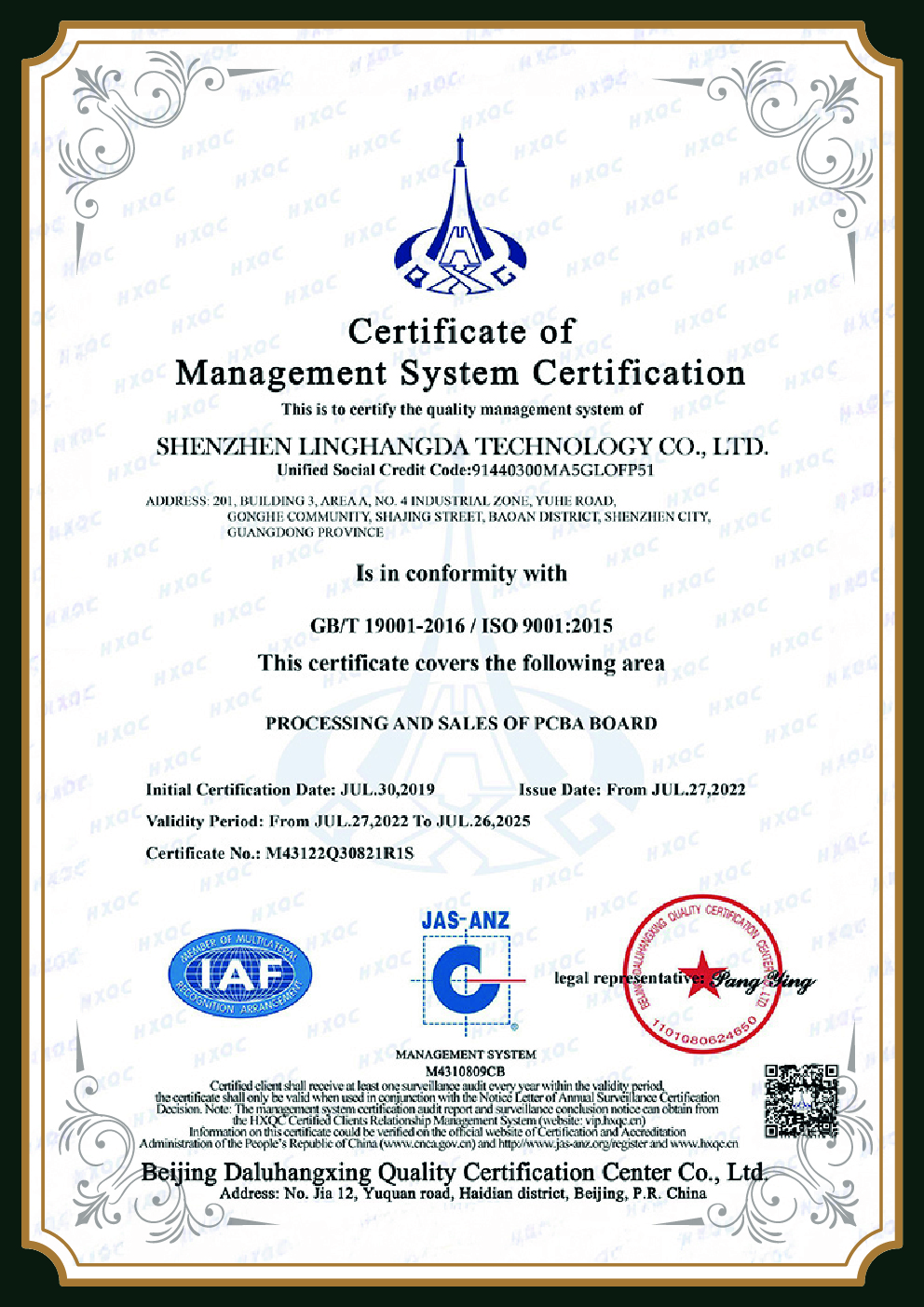
  • ISO 9001:2015 Certified (ISO 9000 family)
  • IPC-A-610 Class 2/3
  • Founded 2010 — 15 Yrs in Shenzhen
  • 400 Staff | 50M RMB Capital
  • 5× Yamaha YSM20R Lines
  • NDA Standard — IP Protected
Get a Quote
5 Boards minimum order
7–10 Working day assembly TAT
±0.025 mm SMT placement accuracy (3σ)
30–55% Typical savings vs US assembly house
24 h Free DFM review turnaround

What Counts as “Low Volume” PCB Assembly?

PCB assembly projects fall into three industry groups: prototype (1–10 boards), low volume (usually 5–500 boards per batch), and mass production (over 1,000 boards). Low-volume production sits at the overlap of production-grade quality and prototyping quantities — you get IPC-certified printed circuit board (PCB) assembly, not hand-soldered eval boards.

PCBark sets 5 board minimum. That limit apply to every kind of assembly: SMT, through-hole, mix, BGA, or turnkey. The same ISO 9001:2015 quality management system and the same Yamaha pick-and-place machinery assemble your batch of 5 the same way they do 500. Setup overhead is real — this is exactly why PCB production costs more per board at small quantities — but the assembly process and quality standards don’t change. All PCB assemblies leave the line with the same IPC-certified inspection record.

The honest answer: low volume isn’t the right approach for every situation. Prototype manufacturing (1–5 boards) uses a different process — hand-placement, no IPC inspection, engineering-grade only. Once your design is stable and you’re ordering 1,000+ boards per quarter, the trade-off shifts toward mass-production contracts. Low-volume PCB assemblies sit in between: production-certified, machine-assembled, IPC-inspected — at quantities that don’t hit any manufacturer’s MOQ. Industry data confirms placement errors cause up to 60% of SMT assembly defects — the argument for machine-assembled low-volume boards over hand-soldered prototypes, regardless of quantity. PCBark’s Yamaha lines offer this machine precision starting at 5 boards, which most US houses won’t match below 25.

Most North American manufacturers require 25-50 boards to justify a batch. PCBark’s Yamaha line economics and process quality allow accepting 5 board batches matching the sealed quality of larger batches — it’s an order-of-quantity issue, not a technical quality limitation.

Typical needs cases for a low-volume pcb assembly at a small-quantity assembly house:

  • New product rollout (NPI) – test your design before you pay tooling costs for mass production
  • Test the market – 50-200 units to measure sell-through before you scale up
  • Defense and industrial prototyping – when repeatability and reliability mean more than per-unit cost
  • Post-production repairs – spare boards in MRO for legacy assets that can’t wait for 1,000 PCBA overages
  • IoT and startup research – iterate without carrying inventory costs or risk
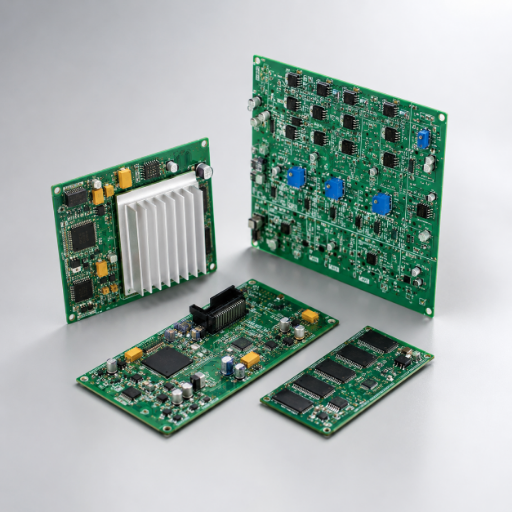
Low Volume PCB Assembly Equipment

Planning to order <25 boards? PCBark will do that starting with 5. Quantify your project below – there’s no moq barrier or a small-set surcharge.

Get a Small-Batch Quote

PCBark’s Yamaha-Powered SMT Assembly Lines

Placement registration is the single-point basic differentiation in professional versus commodity PCBA. Address 0.05 mm errors in component placement will spike your contractor’s defect rate 30%. With just 250 component placements, even 99.9% placement registration equates to only 74% first pass yield when inspected thoroughly – 1 in 4 units will therefore need rework or correction. When small batches of 5-50 boards are produced, all of the systemic issues surface with no time to average.

Unified pick-and-place machinery doesn’t do this equally well. Inexperienced SMT lines operate at 0.060 mm 3 – still sufficient for 0402 packages and common place pitch ICs, but unsuitable for 0201, BGA, or fine pitch QFN. Any engineer who stipulates 0201 or sub-1 mm pitch parts needs to be specifically asked what equipment will build his boards.

The Yamaha Placement Accuracy Matrix

PCBark uses 5 x Yamaha YSM20R & 6 x Yamaha YSM10 SMT assembly lines — same machines used by Tier-1 EMS in Shenzhen. Compare our configured specs vs others below:

Machine Qty Placement Accuracy Production Speed (CPH) Min Component BGA Capable
Yamaha YSM20R 5 units ±0.025 mm (3σ, Cpk ≥1.0) 22,500 CPH 0201 (imperial) Yes
Yamaha YSM10 6 units ±0.040 mm (3σ) 12,500 CPH 0201 (imperial) Yes
Industry average (generic SMT) ±0.060 mm (3σ) 8,000–15,000 CPH 0402 Varies
Hand-placement (prototype shops) >±0.15 mm <1,000 CPH 0603+ No

PROCESS / RESOURCES

Our configured equipment includes at each production line:

  • 3 x SPI (solder paste inspection – verify 3D volume before placing)
  • 4 x AOI (Automated Optical Inspection post-reflow, >95% detect rate)
  • 1 x X-ray inspection (BGA/BGA void analysis)
  • 1 x BGA Rework Station

Running YSM20R lines for low-volume batches does carry a higher per-board setup cost versus hand-soldering prototypes. But yield differences at 0201 and BGA placements are why engineers designing medical, industrial, and mission-critical IoT boards shouldn’t cut corners on machine assembly quality at any quantity.

Looking for the complete equipment capability specs? Download PCBark’s full equipment spec document – includes Yamaha accuracy data, build size tolerances, certifications list and component coverage.

Download Capability Sheet

The 5-Gate QC Protocol for Small-Batch PCBs
Volume-driven platform assembly services will typically skimp on quality for low-volume boards. There just isn’t the margin to cover the overhead for rigour. But at PCBark, every one-board, ten-board, or one-hundred-board batch receives the same circuit card assembly inspection sequence, five checks, regardless of quantity.

PCBark’s minimum inspection standard is IPC-A-610 Class 2, developed by IPC and used extensively in the industrial, communications, and consumer electronics sectors worldwide. Class 3 IPC-A-610 (zero-defect standards) is available with no increased lead times.

“Even a 99.9% placement accuracy yields just 74% first-pass yield for a 250-component board, hence the need for rigorous inspection gates.”
× Enlarged Image
Final Verification

Flying Probe + Functional Test

Flying probe machines test the functional test points of each completed assembly to identify any opens or shorts. The flying probe machine may simulate the board’s real-world function with your own testing fixtures and software. No completed circuit boards ship without successful electrical test results.

Incoming Inspection

Component Authentication

Electronic components matched to the Bill of Materials and verified prior to production run. Components sourced exclusively from authorized distributors (Digi-Key, Mouser, LCSC). Active components undergo counterfeit screening; all parts include date code and lot traceability.

SPI Verification

Solder Paste Volume

Every circuit board with a BGA or QFN component passes through post-reflow 3D solder paste inspection to analyze exact paste volume, pad coverage, and height of each deposited pad. Targeting <5% pad-to-pad variation, this step catches 30–40% of all downstream manufacturing defects.

Optical Inspection

AOI Post-Reflow

After reflow, AOI machines examine boards for placement accuracy, missing components, correct orientation, proper polarity, and solder bridging. AOI exceeds 95% detection success, flagging minute anomalies in fine-pitch solder joints invisible to the naked eye.

X-ray Verification

BGA & Hidden Joints

X-ray machines scan every BGA and QFN device post-reflow to measure solder joint integrity, analyzing solder ball coverage for consistent spacing and voids. Void ratio targets: <25% over thermal pad, <10% on RF ground pads, for assemblies meeting Class 3 requirements.

Resources // Engineering Support

Every circuit board we assemble goes through our design for manufacturability (DFM) review at no charge. Just submit your Gerber files and BOM and PCBark engineers will perform an analysis for production issues within 24 hours.

Get Free DFM Review

Assembly Technologies & PCBark Capabilities

Most pcb assembly service pages will list SMT, THT and Mixed as checkboxes, and here’s a brief description of what each really means and where their capabilities limitations are:

Standard for modern circuit design PCBark’s Yamaha equipment can accommodate SMT components as small as 0201 (Imperial), with BGA components, QFN (hidden pads), and even fine-pitch ICs with spacing as tight as 8 mils. High-density PCB layouts at 0.025mm3 place count can be fulfilled through precision assembly that isn’t possible with conventional SMT machines.

Designed for products that undergo strenuous physical demands, such as power-generating equipment, automotive hardware, and military systems that endure frequent vibrations, thermal cycles, and extreme conditions. PCBark supports a wide array of through-hole assembly procedures, incorporating axial-lead or radial-lead components, as well as SIP and DIP types.

Common in general consumer goods where BGA packages, delicate ICs and chip passives share space on the board with traditional thru-hole elements like relays and large electrolytic components. By merging standard and mixed technology into a singular operational step-SMT followed by THT-PCBark streamlines the process, eliminating delays inherent in outsourcing or separate steps. Review our HDI PCB offering if you’ve a design requiring complex layer counts and high density routing.

Full PCBark Capability Summary

Min component size (SMT) 0201 imperial
Fine pitch minimum ≥8 mil (0.2 mm)
BGA (Ball Grid Array) / µBGA Supported — X-ray verified post-reflow
QFN packages Supported — AOI + X-ray
Board thickness range 0.4 mm – 3.2 mm
Min trace / space 3 mil / 3 mil
Max board size 500 mm × 450 mm
Layer count 1–20 layers
Accepted file formats Gerber format (RS-274X), ODB++, IPC-2581
Certification ISO 9001:2015, IPC-A-610 Cl.2/3, RoHS
Turnkey PCB assembly Yes — includes component sourcing + fabrication + assembly + test

Not sure what type of assembly you need? Our PCB Design For Manufacturing review can determine whether you need THT only, SMT only, or mixed technology; we also ensure proper procedures are recommended for handling specialized components such as BGA chips — see our dedicated BGA assembly service for X-ray verification protocols. We’ll notify you if we notice anything in your board or components that could pose issues during assembly.

Submit for DFM Review

Low Volume vs. High Volume PCB Assembly: The Cost Reality

The honest version of low-volume cost: per-board price is higher than high-volume — that’s unavoidable. Setup overhead (stencil, feeder loading, programming) amortizes across fewer units, and buyers rightly feel this as pain at quantities of 5–50. The trade-off disappears when you source from Shenzhen: Sierra Circuits confirmed (March 2026) that China production costs run 30–50% below equivalent US facilities, driven by a 4× labor differential ($6.50/hr vs $25.93/hr) and continuous multi-shift utilization.

At 5 boards, PCBark’s ~$65/board vs a US house’s ~$95–120/board is a structural cost advantage, not a quality compromise — PCBark runs the same Yamaha YSM20R accuracy and IPC-A-610 QC that any certified US EMS house provides.

The Low-Volume Cost Bridge

Approximate comparison between PCBark’s U.S.-based pricing and the typical assembly cost in the U.S. for a standard 2-layered PCB with SMT components (excluding shipping with DHL, which is typically included in PCBark estimates). Price estimates are based on 2-layer FR4 and standard THT and SMT components. Contact PCBark for an accurate price quote with your specific order.

Order Qty PCBark (est. $/board) US Assembly House (est. $/board) Cost Savings Assembly TAT
5 boards ~$65 ~$95–120 30–45% 7–10 working days
25 boards ~$32 ~$55–75 35–48% 7–10 working days
100 boards ~$18 ~$35–50 40–50% 7–10 working days
250 boards ~$12 ~$25–38 40–52% 8–12 working days
500 boards ~$8 ~$18–28 42–55% 8–12 working days

When does that calculation change? Once a board design is mature and batch orders of 1,000 pieces or more are required, then an in-country or regionally focused assembly becomes more appealing. Increased shipping costs and U.S. tariffs on imported China-made PCBs (45-55% for components as of the new 2026 regulations) add too much to the total landed cost. However, for the 5-500 batch volume space, in which there’s still likelihood for design updates, speedy response times, and the low-volume component cost savings outweigh the additional costs associated with imports. For that small-batch or prototype pcb assembly in Shenzhen, PCBark provides clear pricing for the entire cost through our DDP shipping options.

Also want to make clear here: not all China EMS factories produce the kind of quality suggested by the table above. The cost advantage of such factors are only worth pursuing if they’ve the calibrated/certified equipment and QC records on hand. That’s the real variable- geography isn’t it.

SYSTEM // ACTION

Get an exact quote for your quantity. Submit Gerber files and BOM for a fixed-price proposal within 24 hours.

Get an Exact Quote

Industries That Rely on Low-Volume PCB Assembly

Not a cheap work-around for teams with insufficient capacity, low-volume runs are right for a wide array of product stages and market segments. Unfortunately, your typical volume-focused assembly shop (think JLCPCB, PCBWay) isn’t configured to produce 5-50 boards with rigorous DFM control – orders this small are de-prioritized and lack dedicated expertise. The industries PCBark serves share one requirement: production-qualified quality at quantities that don’t yet justify a commitment to tooling or volume manufacturing.
IoT & Consumer Electronics
SECTOR / 01

IoT & Consumer Electronics

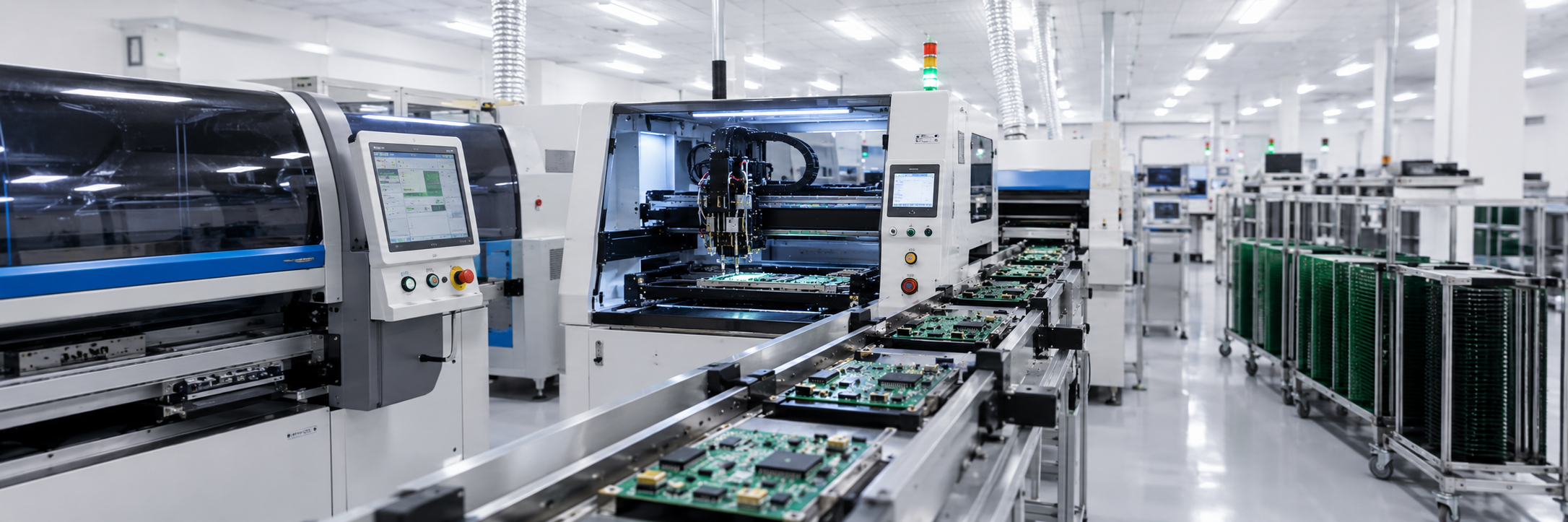
For those that require them, starting a hardware company or developing a new product involve generating a 5-50-unit batch that behave just like a production unit-not hand-soldered engineering samples. When run through one of PCBark’s Yamaha SMT machines, these prototype production runs achieve 0201/BGA placement accuracy identical to our 500-piece pilots. Our DFM team checks for antenna keep-outs, impedance mismatches, and thermal issues free of charge before fabrication begins – potentially saving your project a full iteration cycle of 3-4 weeks.
Medical Devices
SECTOR / 02

Medical Devices

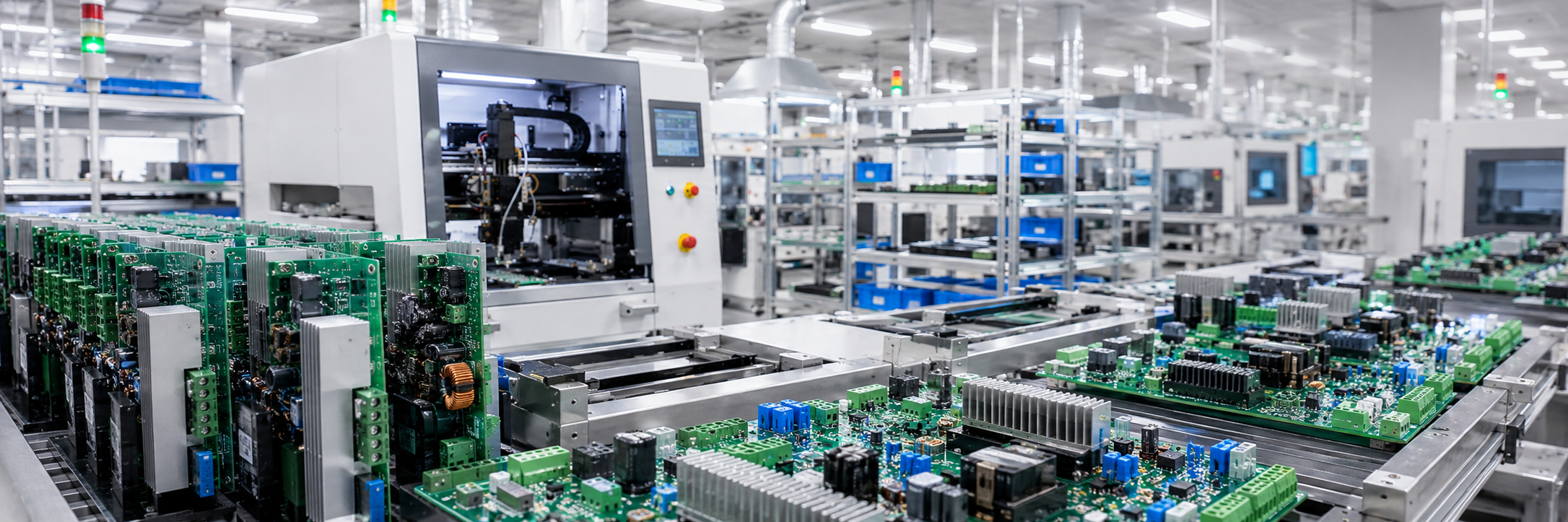
Working on medical technology comes with a different set of risks; a failed diagnostic tool isn’t just a bad customer experience – it’s potentially dangerous for patients. PCBark offers Class 3 inspection upon request per the IPC-A-610 standard (270deg circumferential wetting, no voids on solder joints) along with full batch traceability documents. All BGA devices undergo X-ray inspection. Our medical partners get to sign an NDA prior to us even looking at their designs. 10-200 lot-sized production run? You can bet this is the bare minimum expected quality.
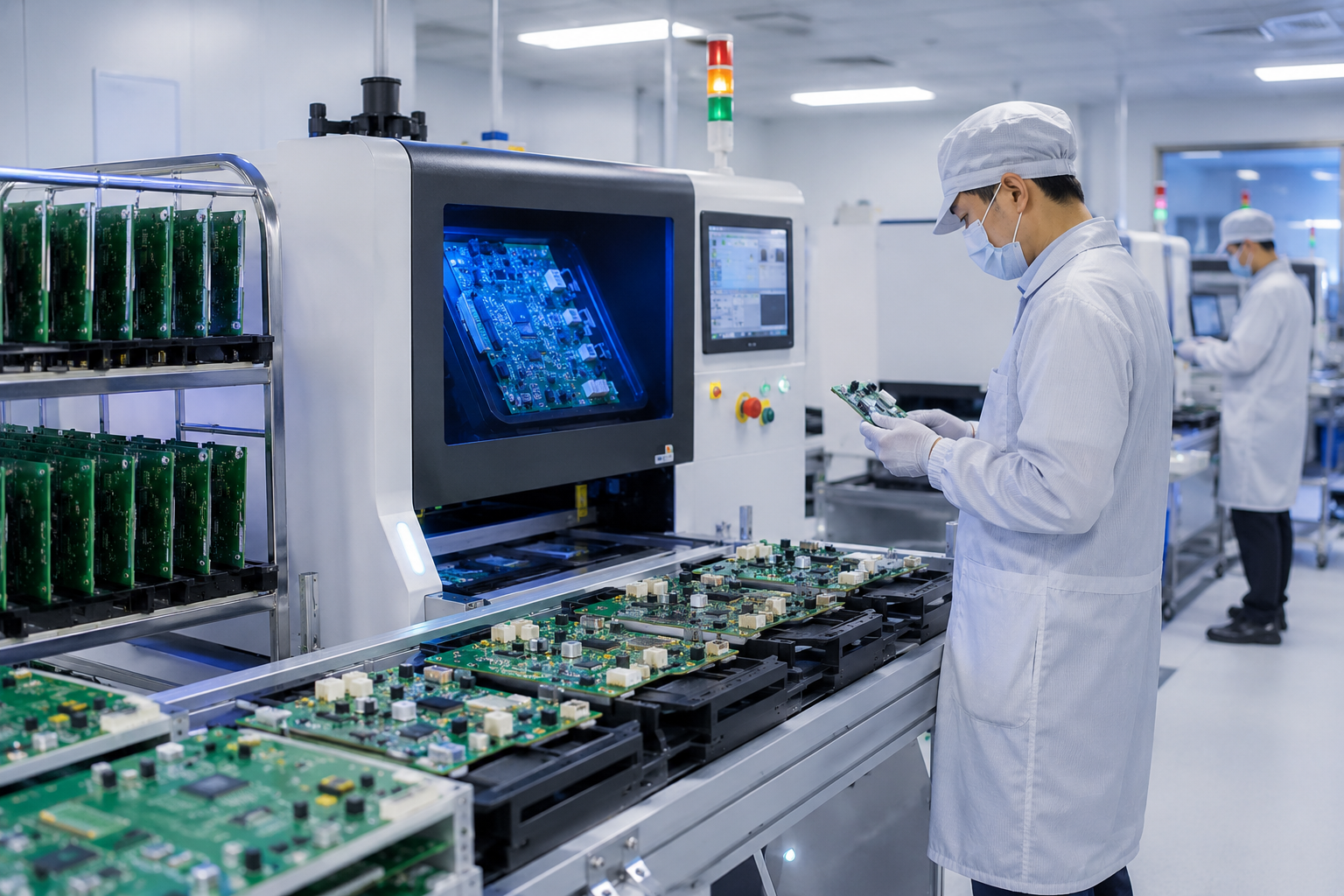
Industrial Automation
SECTOR / 03

Industrial Automation & Power Electronics

Even the highest performance electronics operating in high vibration and thermal stress environments aren’t always suitable for purely SMT-based solutions. The ability to integrate mixed-technology designs is something our teams and equipment handle effortlessly; PCBark can place surface-mount and conventional components side-by-side. Only components sourced from authorized distributors with valid date code tracking is used. Typical quantities: 25 to 500 units per quarter.
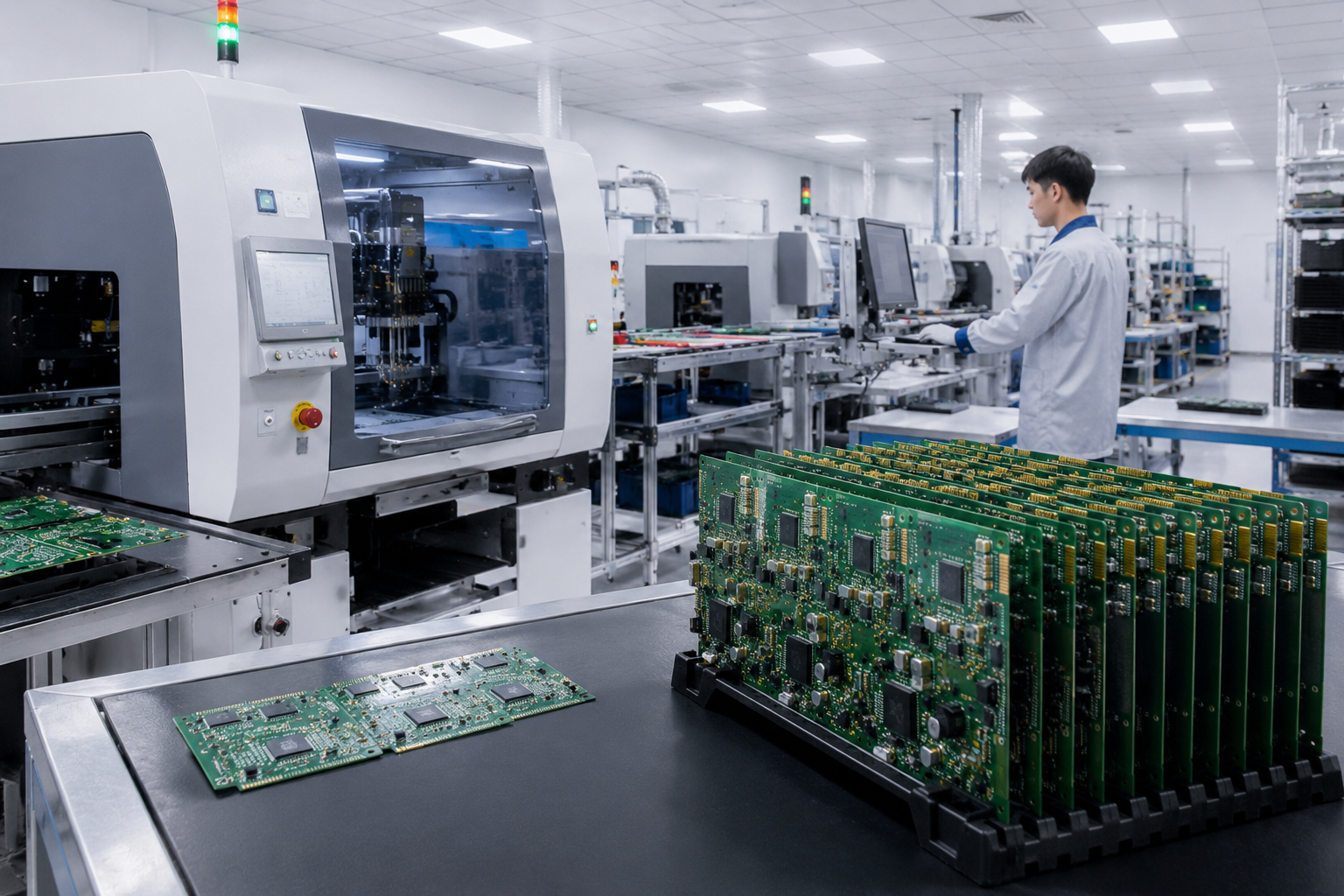
Defense & Aerospace Prototyping
SECTOR / 04

Defense & Aerospace Prototyping

For the defense prototyping scenario of 5 to 50 boards per cycle, we accommodate rigorous IP-protection standards with our company’s strict confidentiality policy and isolated server network. Defense teams also expect full-chain batch traceability for everything; since we’re B2B-only, any specific documentation requirements can be directly communicated to a dedicated export account manager rather than get lost in a general support system.
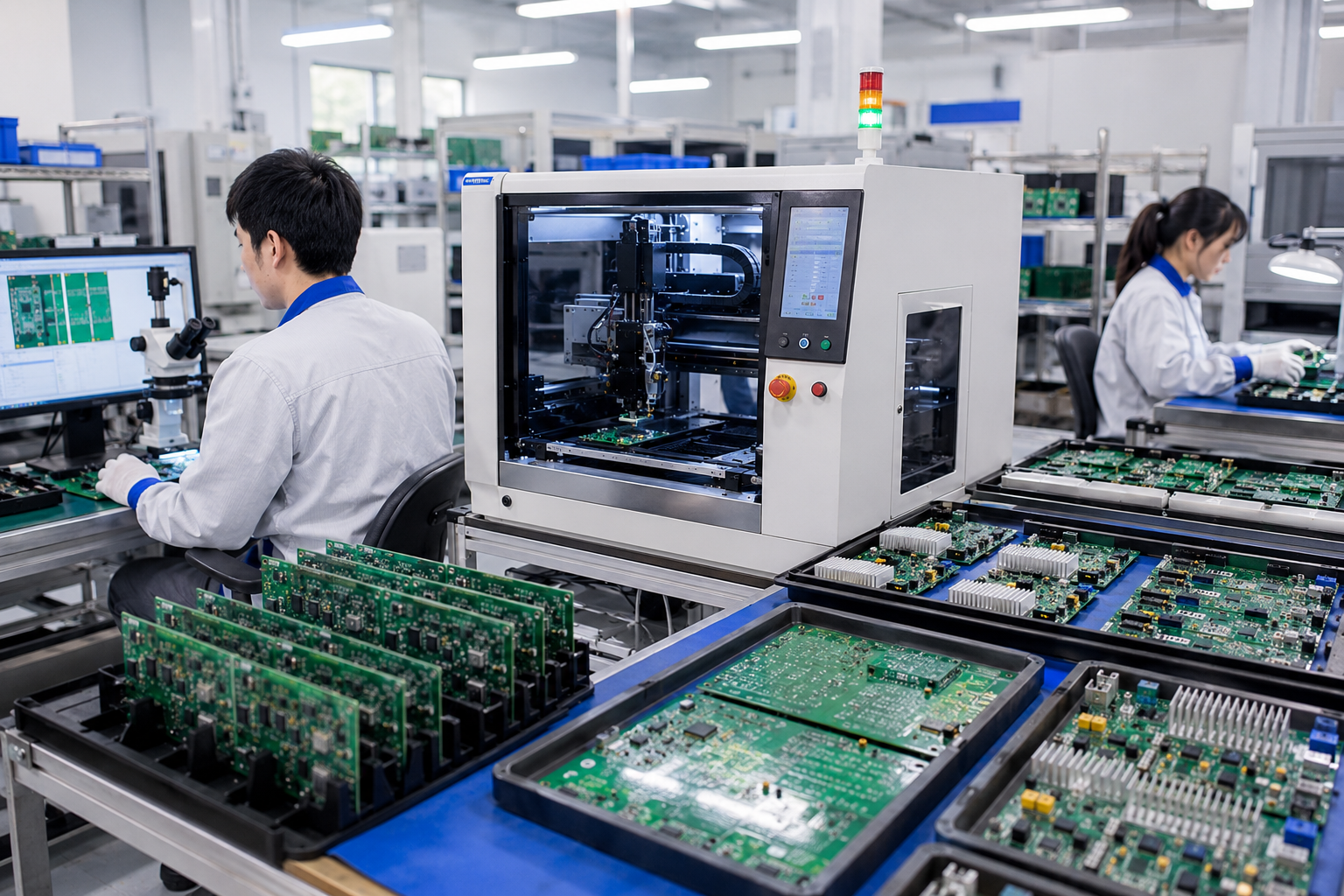
Startup & R&D Labs
SECTOR / 05

Startup & R&D Labs

The DFM team has many design iterations faster than the assembly house detects problems the engineer overlooked: PCBark’s free 24 hour DFM review often identifies pad geometries, stencil aperture violations, bill of material conflicts. No MOQs here: submit 5 for functional validation, then 25 for user testing, then 100 for a pilot run, without re-qualifying each new supplier at each cycle.

Have application-specific requirements? PCBark’s export team handles non-standard documentation, NDA sign-off, and application-specific inspection requirements. Send us your project details.

Discuss Your Project

How to Order: From Gerber Files to Delivered Boards

File review is the single biggest pain point in low-volume PCB assembly — catching design errors after stencils are cut wastes time and money. PCBark’s DFM review catches up to 80% of production issues before they become defects — delivered within 24 hours at no charge, ahead of any tooling or component procurement commitment. This front-loading discipline is why PCBark’s defect rate runs below the industry average for small-batch orders.

Employ the free DFM submission service. No cost, no commitments: provide Gerber and BOM, the PCBark team warns you of detectible anomalies within 24 hours.

Start Your Order

Submit Gerber files + BOM

Accepted file formats: RS-274X Gerber, ODB++ or IPC-2581; assembly diagram and bill of materials with MPN. Use our contact form or email James Luo (PCBark export manager) directly.

Free DFM Review within 24 hours

Your files undergo PCBark engineer DFM & Design for Testing (DFT) review: violations, pad geometry, bill of material conflicts, testability, impedance; you’ll get a report within 24 hours suggesting fixes. This is free, commitments not necessary.

Quote approval + component procurement

With signoff of DFM, PCBark provides a fixed-rate quote, manages supply chain sourcing from authorized distributors (Digi-Key, Mouser, LCSC), confirms bill of material, and sends purchase order.

SMT + QC production: 7–10 working days

Manufacturing follows the 5-Gate QC Protocol- incoming inspection through test. You receive batching QC reports, not functioning PCBs. Delivery notification.

DHL Express to US/EU: 3–5 calendar days

DHL express standard delivery. DDP also available – PCBark manages customs, importing duties for US & EU. Total delivery: ~12-15 calendar days from Gerber file signoff.

Why Choose PCBark Over a US PCB Assembly House?

The honest answer separates two questions: does a quality gap exist, and does the cost advantage survive tariffs and shipping? On quality — PCBark’s Yamaha YSM20R lines run at ±0.025 mm 3σ, matching or exceeding what most US EMS houses publish. Sierra Circuits’ 2026 analysis confirms: “Everything is highly automated in China, and labour is less — fixed costs are distributed across millions of units.” The cost advantage is structural, not a compromise on quality. Engineers concerned about Gerber IP exposure should note PCBark’s standard NDA policy, which addresses the specific pain point Reddit PCB communities flag most: losing proprietary designs to unvetted overseas manufacturers. PCBark’s isolated storage network and mutual NDA are signed before any file review begins.

The freight-disadvantage, with Taiwan or Shenzhen ship-to-US adding an additional 3-5 working days to local assembly, China-to-US import 45-55% tariff, PCBark’s DDP option calculates this within one-shop cost estimation. Current trade measures make, for the US audience, PCBark’s all-in landed cost is competitive for runs of 5 to 500; it assumes certified equipment and most manufacturing records will be supplied. This is the one delivery step most purchasers are unable to validate.

Factor PCBark (Shenzhen) Typical US Assembly House
ISO certification ISO 9001:2015 ISO 9001:2015 (same)
IPC inspection IPC-A-610 Class 2 (Class 3 on request) IPC-A-610 Class 2 (most)
SMT equipment Yamaha YSM20R — ±0.025 mm 3σ Varies — often ±0.040–0.060 mm
Cost at 100 boards ~$18/board ~$35–50/board
Assembly TAT 7–10 working days 10–15 working days (typical)
IP / Gerber file protection Signed NDA before file review; isolated storage network; no third-party resale clause Varies — not always documented
Communication English-first export team; James Luo — dedicated US/EU account manager English native — but response time varies
Minimum order 5 boards Often 25–50 board minimum

On IP and Gerber File Security

What cautious engineers most urgently ask before committing to a China assembly house: Gerber file protection. PCBark maintains a strict policy:

  • A signed mutual NDA will be provided prior to any file review or internal processing to prevent industrial espionage.
  • Gerber files processed on an isolated internal network – no exposure to external 3rd party suppliers or sub-contractors
  • Service agreement with non-resale/non-replication clause for BOM, layout, firmware, etc.
  • Your intellectual property: PCBark doesn’t retain any rights or licenses to your Gerber files or any associated data beyond the single-order scope.

None of this should be a differentiator, every decent B2B EMS supplier in Shenzhen should ideally be doing this, but PCBark puts it down in writing.

Low-Volume PCB Assembly FAQs

Engineers contemplating using PCBark regularly pose a number of questions before committing a design to production. These answers reflect capabilities on the ground, not aspirational marketing fluff. Where the answer is “it depends,” then that’s where it rests.

What is the minimum order quantity for low volume PCB assembly at PCBark?

PCBark accepts a minimum of 5 boards per order. There’s no MOQ gate, you can order 5 boards of the same design or 5 different designs with identical specifications. Most low-volume PCB assembly orders fall between 5 and 500 boards per run. Unlike volume platforms that list a nominal “1-board” minimum but route small orders to a lower-priority production schedule, PCBark dedicates a full Yamaha SMT line run to orders from 5 boards up, same equipment, same 5-Gate QC inspection sequence.

How long does a low-volume PCB assembly order take from Gerber files to delivery?

Assembly takes 7–10 working days from DFM approval. DHL Express to the US or EU adds 3–5 calendar days. Total door-to-door from Gerber file submission is approximately 12–15 calendar days. DDP shipping (PCBark handles import duties) is available for US and EU destinations.

What Gerber file formats do you accept for PCB assembly?

PCBark accepts Gerber RS-274X (the most common format from KiCad, Altium, Eagle), ODB++, and IPC-2581. Include your BOM with manufacturer part numbers and assembly drawings. For through-hole or mixed-technology boards, include drill files and pick-and-place coordinates.

Do you handle full turnkey PCB assembly including component sourcing?

Yes. Turnkey PCB assembly at PCBark includes component procurement from authorized distributors (Digi-Key, Mouser, LCSC), PCB fabrication, SMT or mixed-technology assembly, and functional testing. Consigned assembly (customer-supplied components) is also supported, PCBark handles assembly only.

What certifications does PCBark hold for PCB assembly?

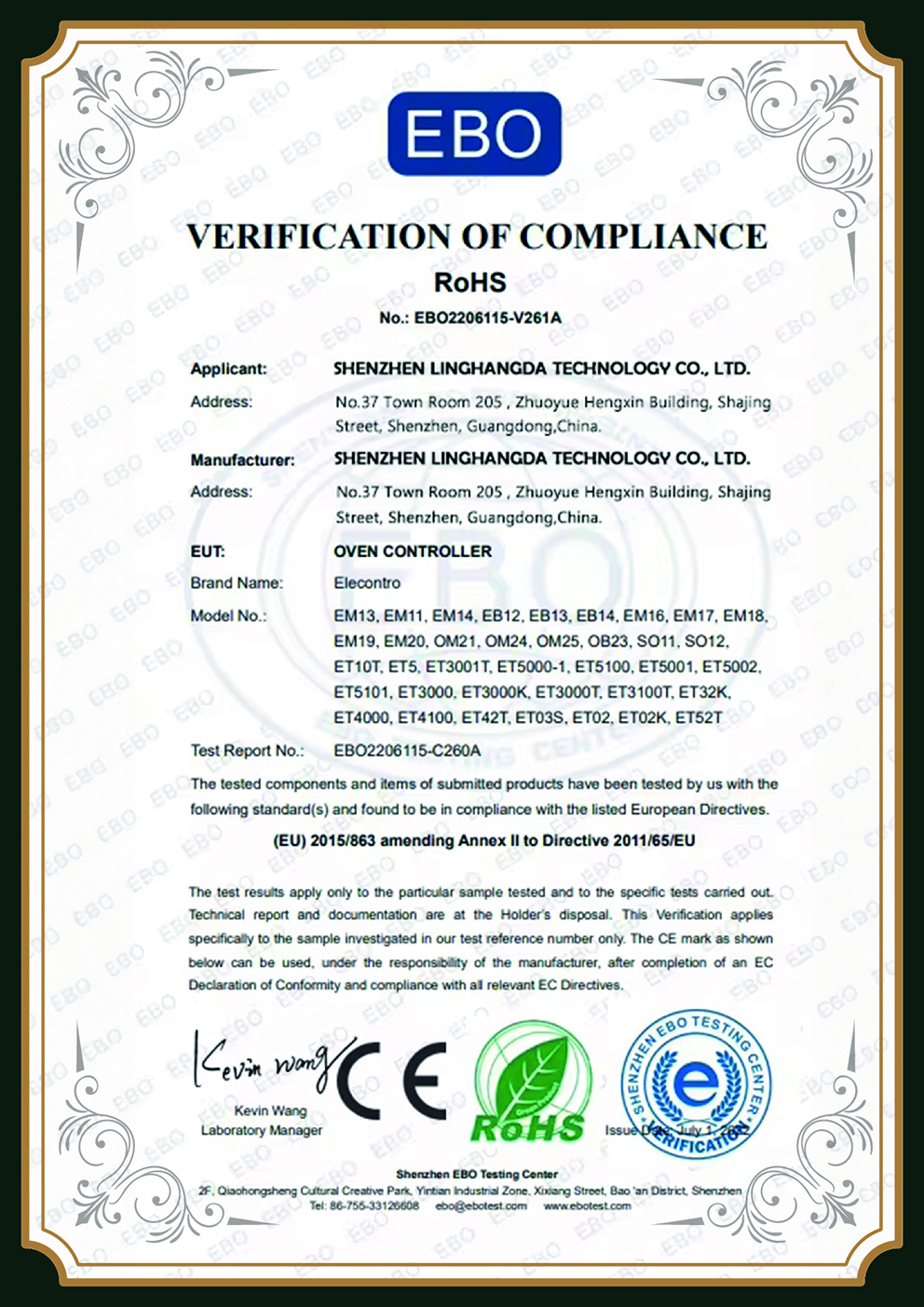
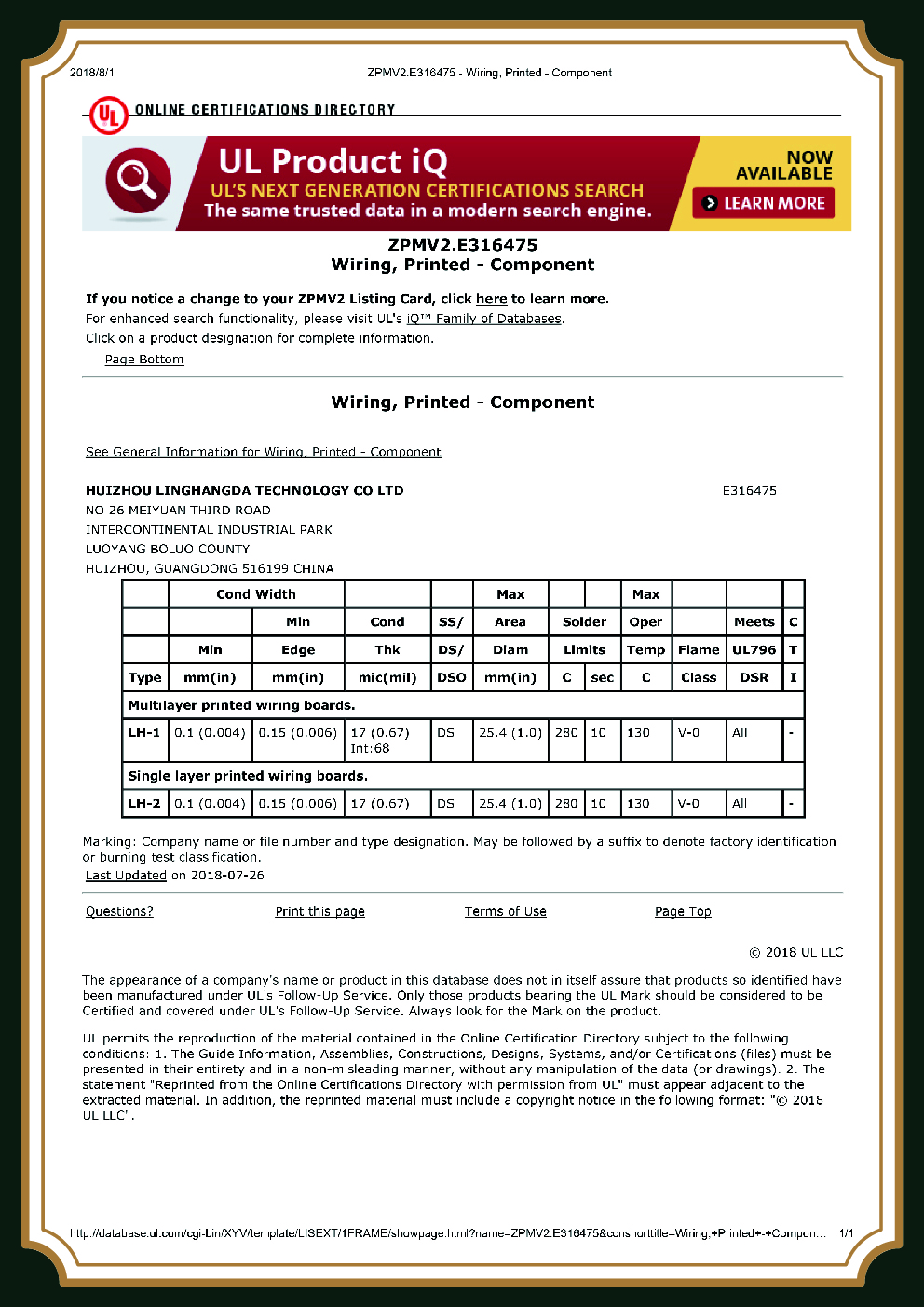
PCBark holds ISO 9001:2015 certification for its quality management system, the same certification held by Mer-Mar Electronics, Sierra Assembly, and comparable US EMS houses. Assembly inspection follows IPC-A-610 Class 2 as the default standard: the industry baseline for commercial and industrial electronic assemblies. Class 3 (zero copper voids, 270° minimum circumferential wetting, tighter plating thicknesses, required for medical, military, and aerospace) is available on request at no additional lead time. All assemblies are RoHS compliant under EU Directive 2011/65/EU. Certification documentation provided with every order.

Can you assemble BGA, µBGA, and fine-pitch components in low volumes?

Yes. PCBark’s Yamaha YSM20R provides ±0.025 mm 3σ placement accuracy, which handles BGA, µBGA, QFN, and fine-pitch ICs at ≥8 mil (0.2 mm) spacing. X-ray inspection verifies all BGA solder joint integrity post-reflow. Minimum component size accepted is 0201 (imperial).

How do I get a price for small batch PCB assembly?

Submit your Gerber files and BOM using the quote form on this page. PCBark responds within 24 hours with a fixed-price assembly quote plus a free DFM review identifying any production issues in your design. No commitment required to receive the quote.