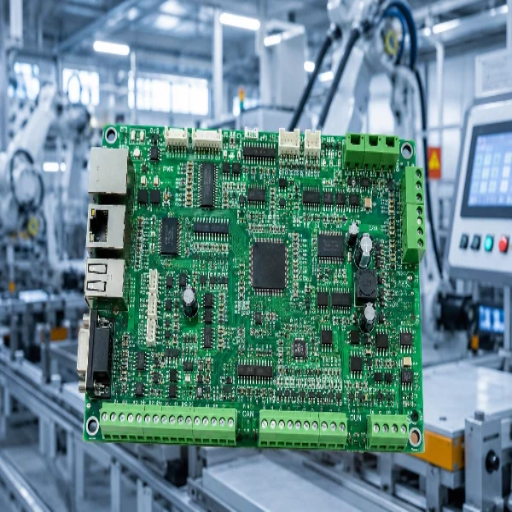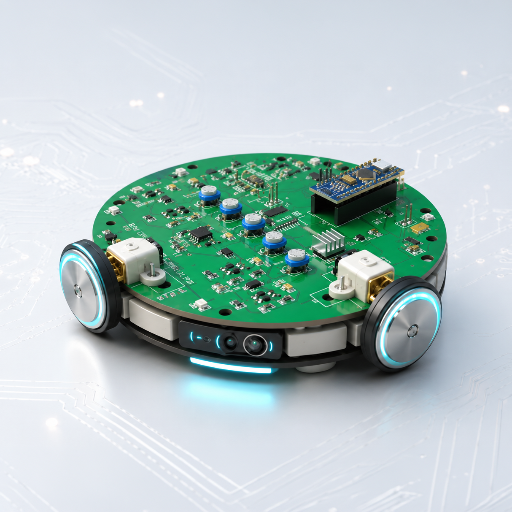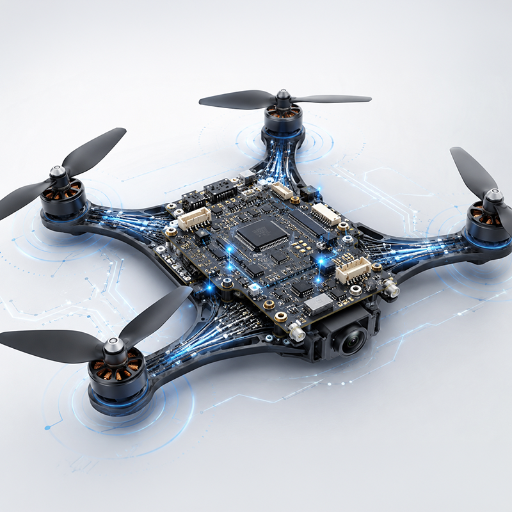
SYS. IPC CLASS 2/3 // ACTIVE

Industries We Serve

PCB Manufacturer for Industries, High-Reliability Boards Built to Each Sector’s Spec

Industry-specific PCB sourcing means matching reliability class, substrate, and standards to your end market, not buying a generic board and hoping. PCBark is a PCB manufacturer for industries that fabricates and assembles to each sector’s real requirements: aerospace, medical, automotive, industrial control, robotics, drone, and IoT.

Request an Industry PCB Quote
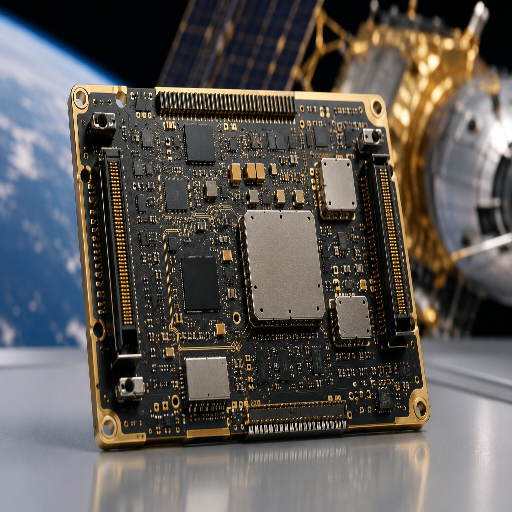
AEROSPACE
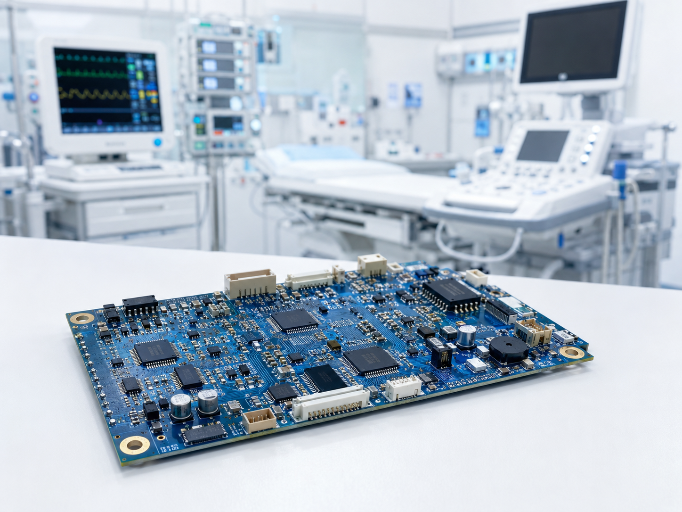
MEDICAL
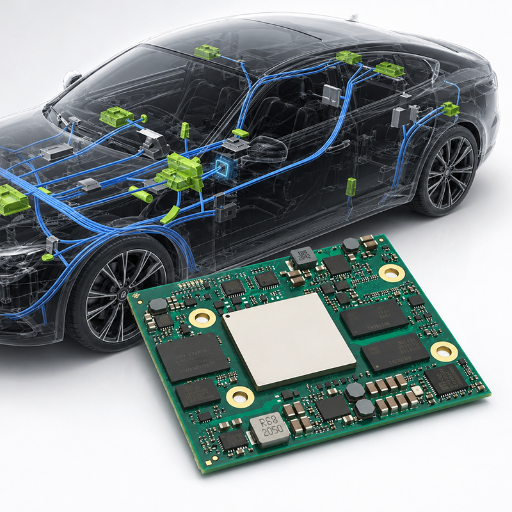
AUTOMOTIVE
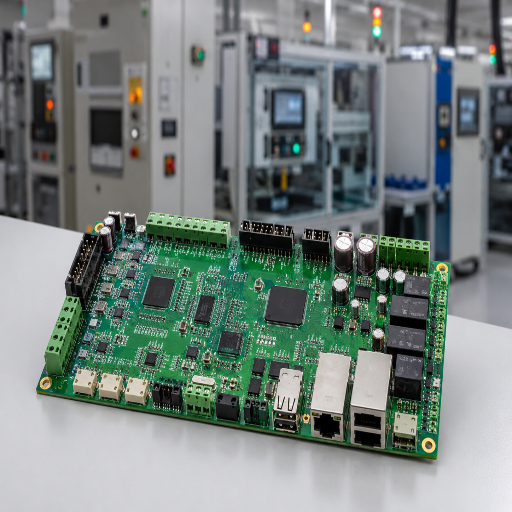
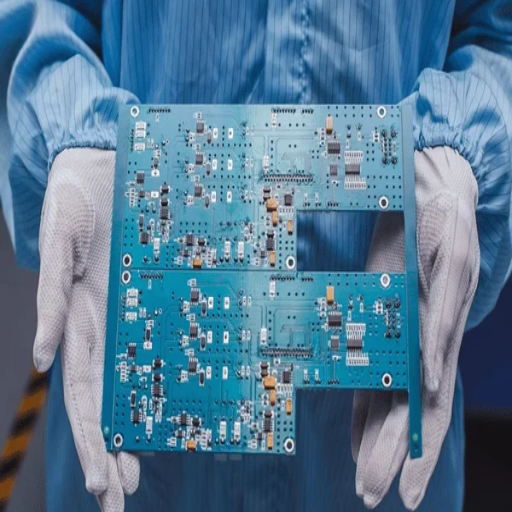
INDUSTRIAL
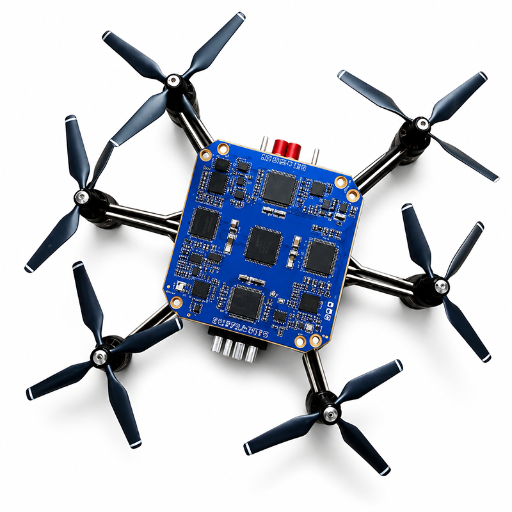
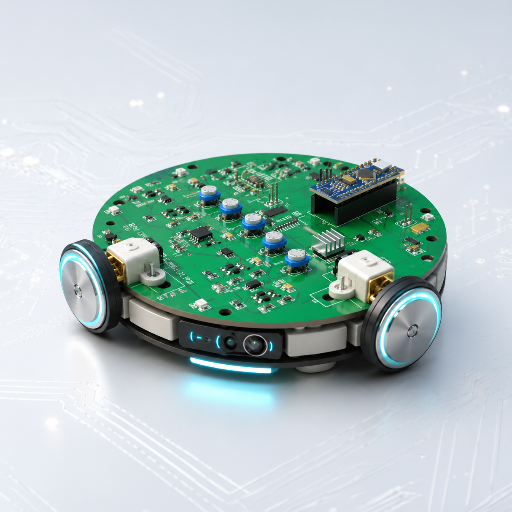
ROBOTICS
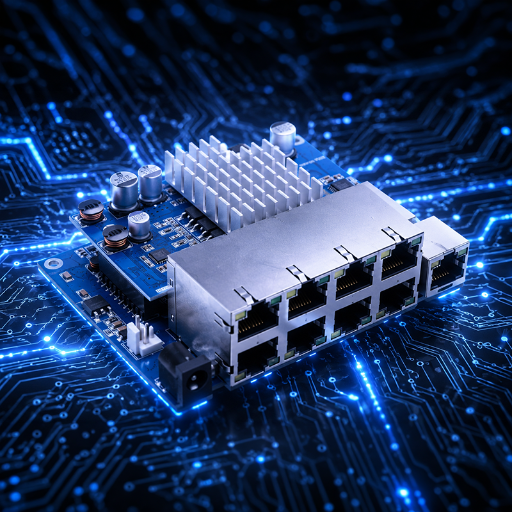
IOT SECTOR
Aerospace PCB Sector Medical PCB Sector Automotive PCB Sector Industrial Control PCB Sector Robotics Drone PCB Sector IoT PCB Sector
16+ yrs
EMS experience (since 2010)
500k m²
annual production capacity
0201 Min
component, 680×550 mm panel
5-stage
AOI · 3D X-ray · ICT · Probe

Why One PCB Spec Doesn’t Fit Every Industry, and How PCBark Maps Each Sector

A consumer-grade board that runs fine in a smart speaker fail fast inside an engine bay, an MRI gantry, or a drone flight controller. That failure is structural: each industry imposes a different reliability class, substrate, operating-temperature envelope, and compliance regime. A generic printed circuit board manufacturers quote that ignores those drivers ships a board that passes inspection and still fails in service, the most expensive kind of failure, because it surfaces after deployment.

This is the gap PCBark closes. Rather than offering one process and forcing every customer through it, we map the build to the sector. PCBark engineers route an automotive board to high-Tg laminate and IATF 16949 process discipline, a medical board to ISO 13485 traceability and IPC-6012EM documentation, and an aerospace board to IPC-6012 Class 3A construction, because the standard that governs each is not the same, and a board qualified for one is not automatically fit for another. That is the honest version of “we serve all industries”: the same plant, deliberately different builds.

It’s a common myth that a single qualified shop handles every industry equally well. In practice, matching the build to a factory’s proven strengths beats assuming one supplier cover them all. The matrix below is our 7-Sector PCB Fit Profile, the reliability class, dominant substrate, governing standard, and primary failure mode each of our seven served industries actually demands.

7-Sector PCB Fit Profile — what each industry’s board actually requires

Industry Reliability class Key substrate Governing standard Primary failure mode PCBark status
Aerospace / avionics IPC-6012 Class 3 / 3A Polyimide, rigid-flex IPC-6012 Class 3A + DO-254 Vibration, thermal cycling Commercial / civil avionics-grade
Medical IPC Class 2 / 3 FR-4 high-Tg, UHDI, rigid-flex ISO 13485 + IPC-6012EM Traceability gaps, sterilization Process-aligned to ISO 13485
Automotive IPC Class 2 / 3 High-Tg FR-4, metal-core IATF 16949 + AEC-Q + ISO 26262 Thermal shock, vibration IATF 16949 process discipline
Industrial control IPC Class 2 / 3 High-Tg FR-4, heavy copper IPC-6012 + IEC system specs Heat, dust, long lifecycle Standard capability
Robotics IPC Class 2 / 3 High-density, rigid-flex IPC-6012 + IPC-A-610 EMI, connector fatigue Standard capability
Drone / industrial UAV IPC Class 2 / 3 Lightweight HDI, rigid-flex IPC-6012 + IPC-6013 Weight vs. power density Standard capability
IoT IPC Class 2 FR-4, HDI, RF laminate IPC-6012 + RF design rules Low-power / RF integrity PCBark own-brand line

Industries We Serve,
PCB Capability by Sector

Seven industries, seven distinct build profiles. Where most fabs bury industrial uses of pcb work in a generic capability list, PCBark cards each sector with the reliability class, substrate, and standard that govern it, including robotics, drone, and IoT, the high-growth verticals incumbents rarely treat as first-class. Each card links to its dedicated sector page for full specifications and an RFQ.

Aerospace PCB

Aerospace & Avionics

High-reliability boards for civil avionics, satellite, and instrumentation. Built to IPC-6012 Class 3 construction with polyimide and rigid-flex stack-ups that survive −55 °C to +125 °C and high-vibration profiles.

Class 3 polyimide / rigid-flex DO-254 aware
Medical PCB

Medical

Diagnostic, imaging, wearable, and surgical-tool boards. Manufactured under processes aligned to ISO 13485:2016, with the lot-level traceability and IPC-6012EM documentation that medical pcb assembly demands, AOI and 3D X-ray on every build.

ISO 13485 process UHDI full traceability
Automotive PCB

Automotive

ADAS, lighting, battery-management, and control-unit boards. High-Tg and metal-core substrates handle thermal cycling and vibration, built under IATF 16949 process discipline with AEC-Q and ISO 26262 functional-safety awareness.

IATF 16949 high-Tg / metal-core AEC-Q aware
Industrial Control PCB

Industrial Control

PLC, HMI, drive, and instrumentation boards for harsh factory environments. High-Tg FR-4 and heavy-copper builds with conformal coating resist heat, dust, and a 10-plus-year service lifecycle.

high-Tg heavy copper conformal coat
Robotics PCB

Robotics

Control, sensor-fusion, actuator-driver, and power-distribution boards for cobots and humanoid platforms. High-density and rigid-flex constructions manage EMI and connector fatigue in moving assemblies.

high-density rigid-flex EMI control
Drone PCB

Drone / Industrial UAV

Flight-controller, ESC, and payload boards for industrial UAVs, survey, agriculture, inspection, not hobby kits. A drone pcb board here’s engineered around SWaP: lightweight HDI and rigid-flex that balance weight against power density and RF integrity.

lightweight HDI rigid-flex SWaP-optimized
IoT PCB

IoT, PCBark Own-Brand

Sensor, gateway, and connected-device boards. An iot pcb board from our own-brand line integrates low-power layout, RF/antenna sections, and miniaturized HDI for battery-driven deployments.

low-power RF / antenna HDI miniaturization

Not sure which build class your product needs? Get a free DFM + Industry-Fit Review, we return a sector-matched stack-up recommendation.

Get a free DFM + Industry-Fit Review

Standards & Compliance by Industry, What We Certify, and What We Don’t

Compliance is where industry-specific manufacturing is won or lost, and where vague marketing does the most damage. PCBark states its standards position plainly, including its limits, because a supplier that overstates certification is a supplier that fails an audit. The Standards-by-Sector Compliance Register below separates what PCBark holds, what we run as process discipline, and what we honestly scope out.

Defense & Aerospace Scope-out

The honest scope-out matter most in aerospace and defense. ITAR requires that any entity manufacturing controlled U.S. defense articles register with the U.S. Directorate of Defense Trade Controls and restrict access to U.S. persons only.

As a Shenzhen-based manufacturer, PCBark isn’t ITAR-registered and won’t claim to be, if your program is ITAR-controlled, a registered U.S. fab is the correct partner, and we’ll say so. What PCBark does build is commercial and civil avionics-grade boards to IPC-6012 Class 3 / 3A, where ITAR doesn’t apply.

Medical & Automotive Discipline

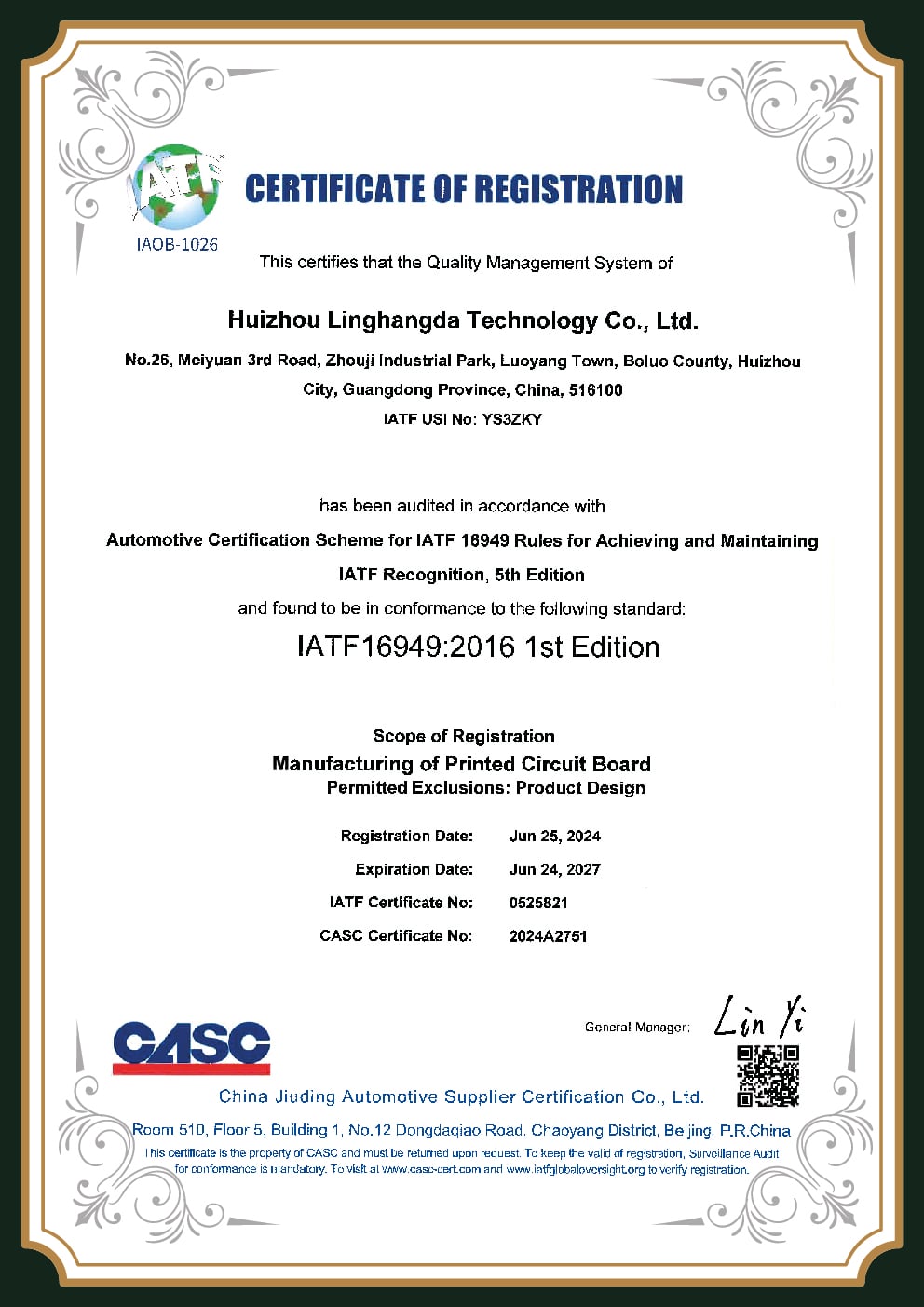
On the medical and automotive side, “process-aligned” is a deliberate, honest distinction from “certified to.” We run the documentation, risk management, and lot-level traceability that ISO 13485 and IATF 16949 demand as standing process discipline…

…and we are transparent that formal client-site certification is established per program. ISO 13485 goes well beyond verifying a board meets electrical and mechanical requirements, for an implantable or life-sustaining device, full traceability of materials and processes can be required for decades, and fabrication drawings get treated as a hard requirement, since IPC-6012EM mandates a computer-readable digital drawing for medical builds.

Standards-by-Sector Compliance Register

StandardSectorWhat it governsPCBark status
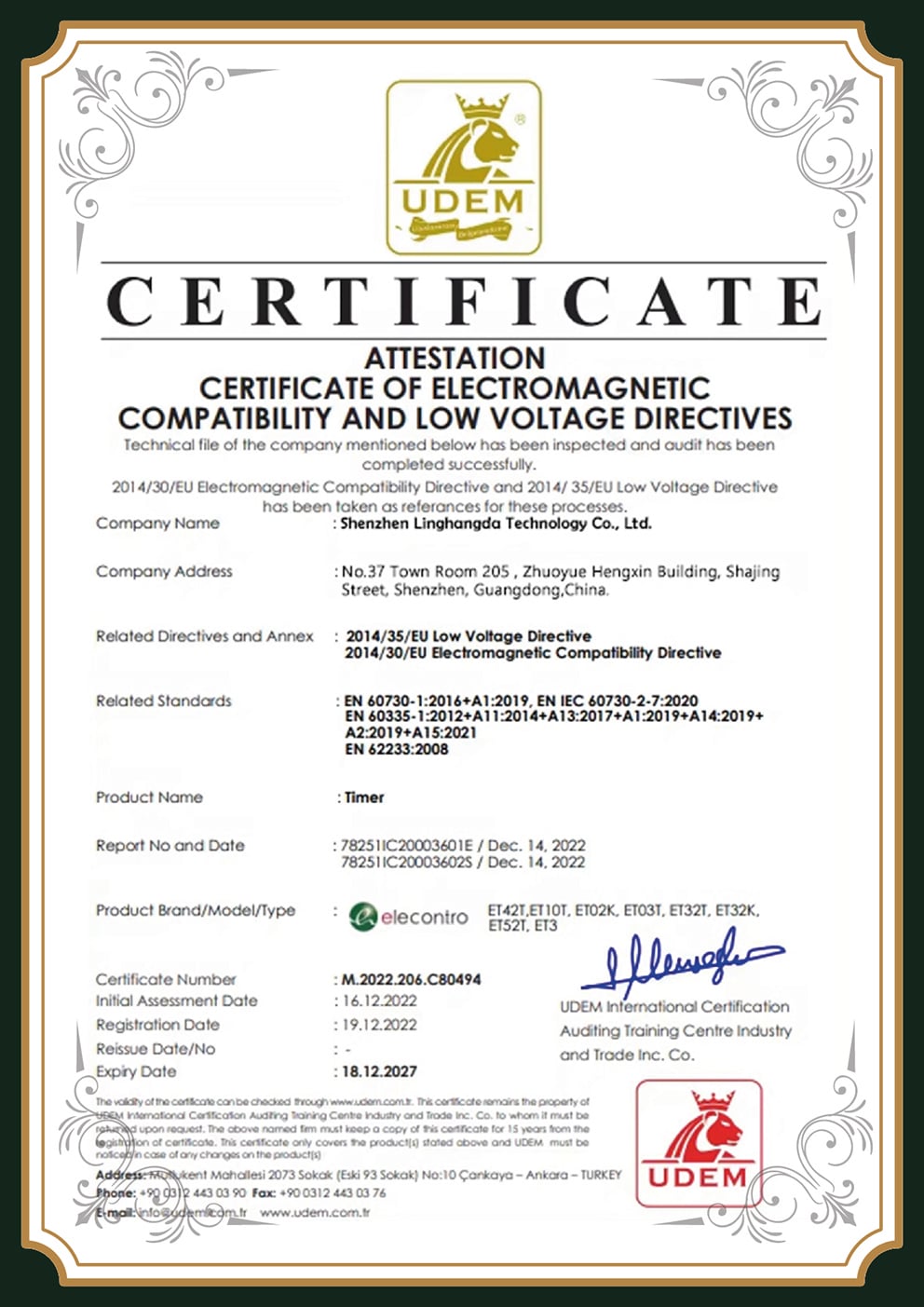
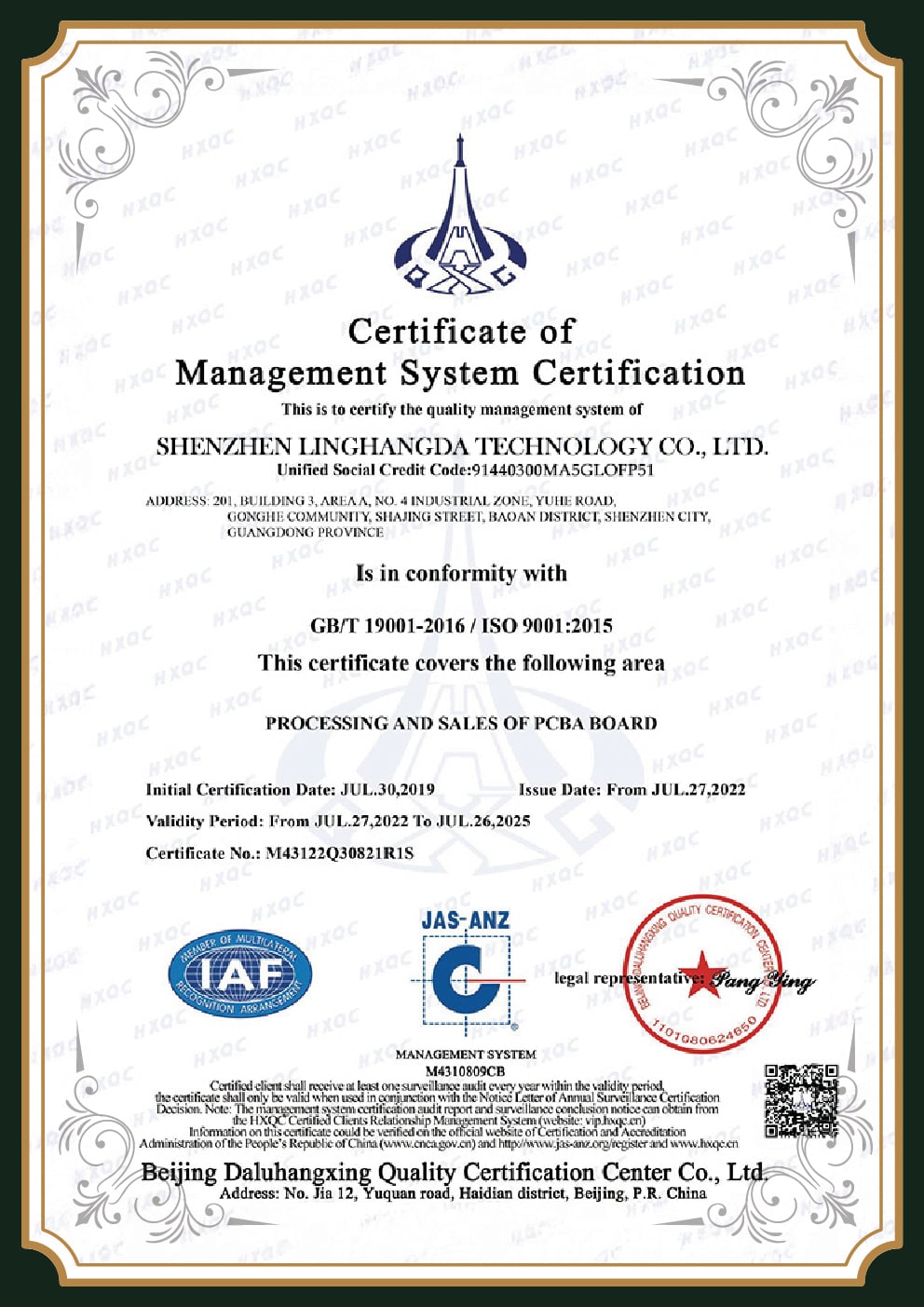
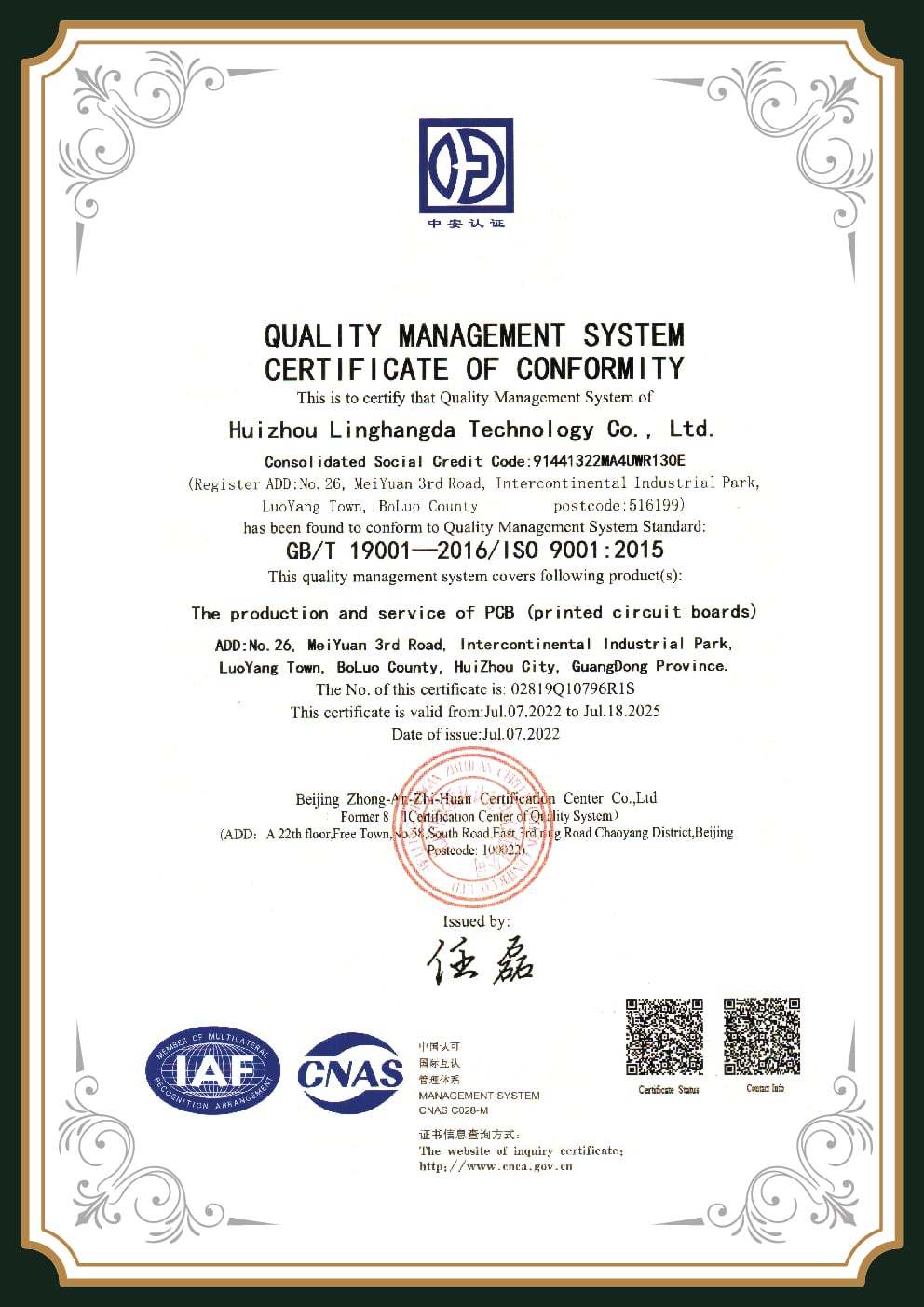
ISO 9001:2015AllQuality management systemCertified
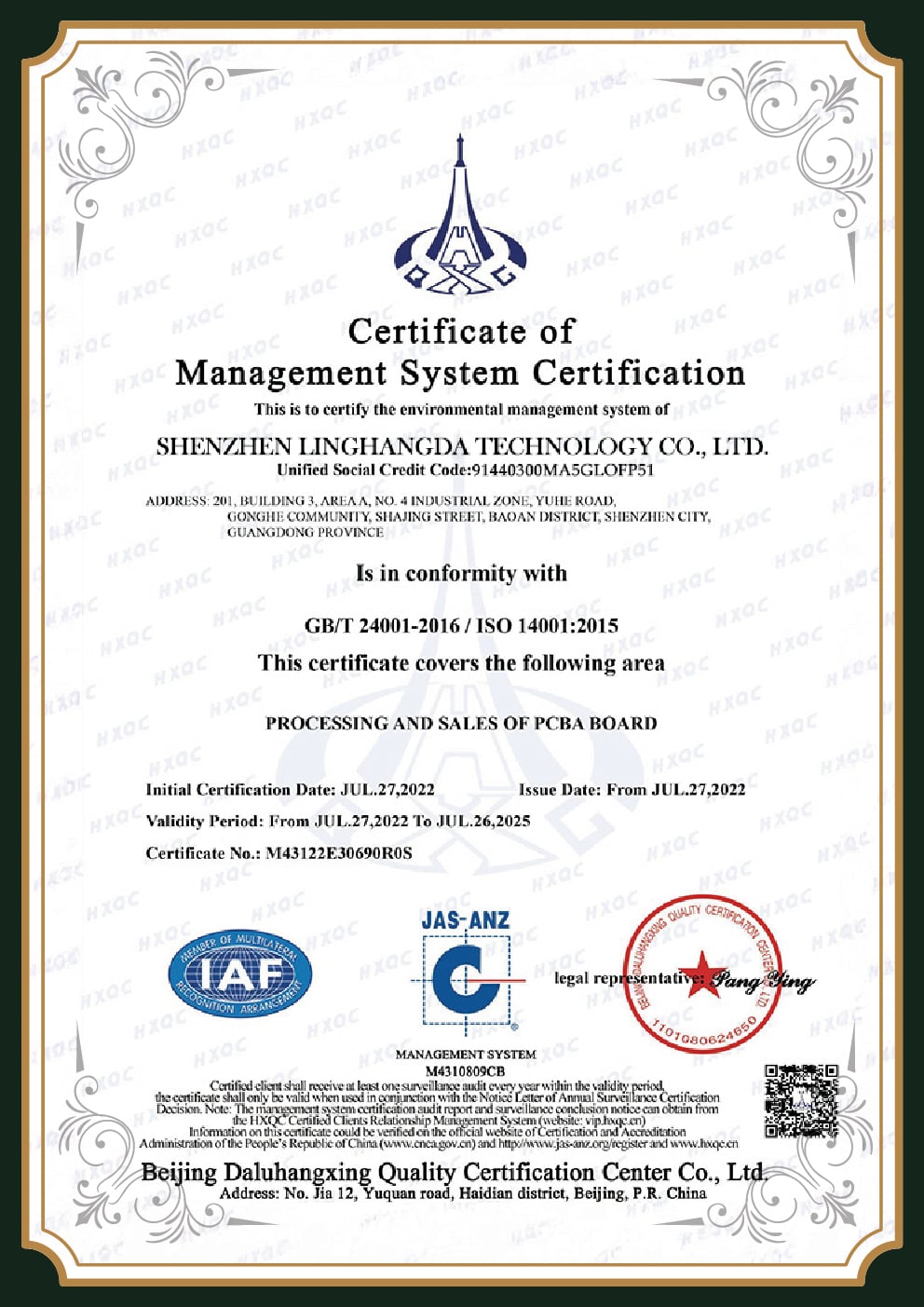
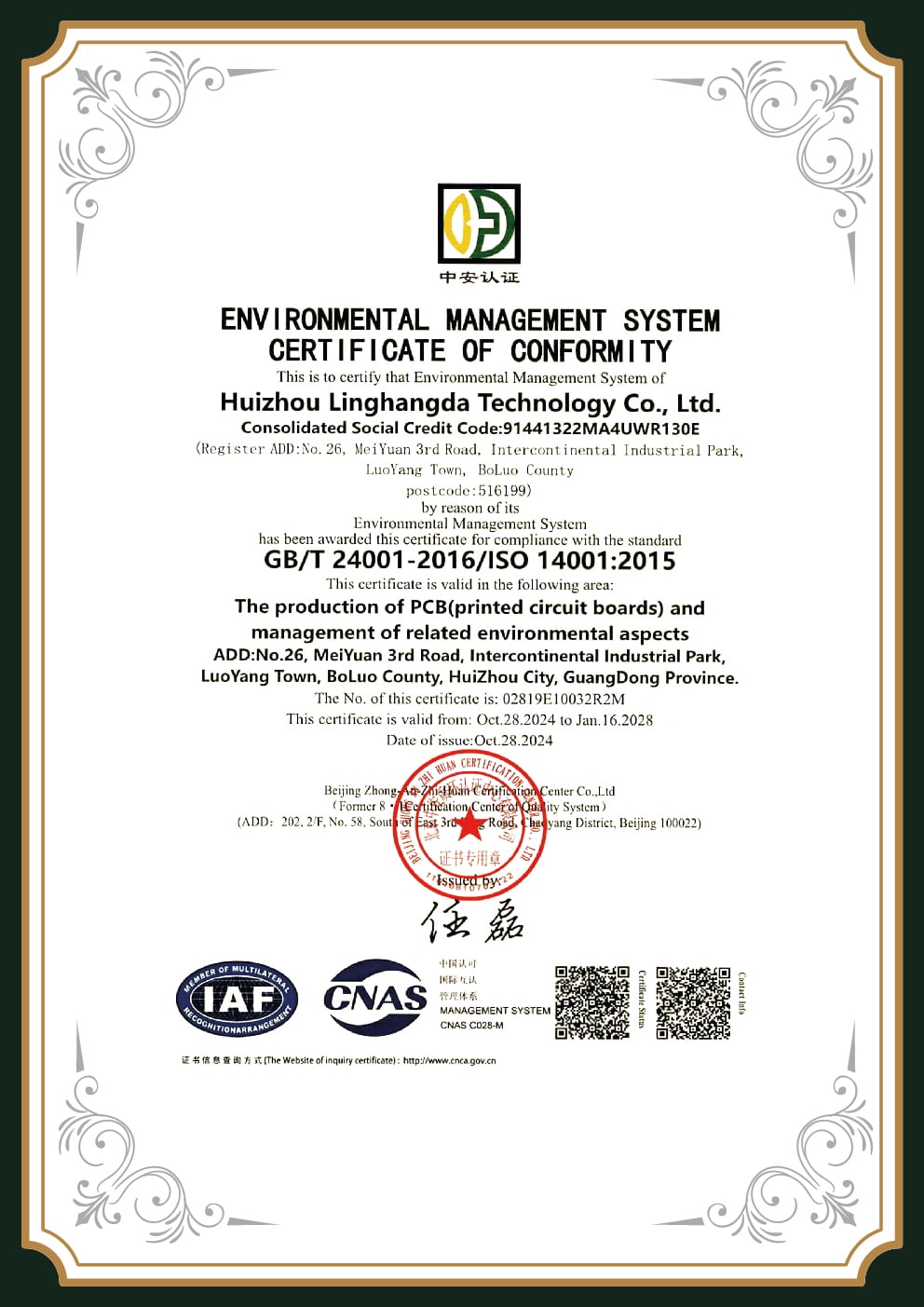
ISO 14001AllEnvironmental managementCertified
IPC-A-610 Class 2/3AllAssembly acceptabilityCertified build
IPC-6012 Class 2/3AllRigid board qualificationCertified build
J-STD-001AllSoldered assembly requirementsCertified build
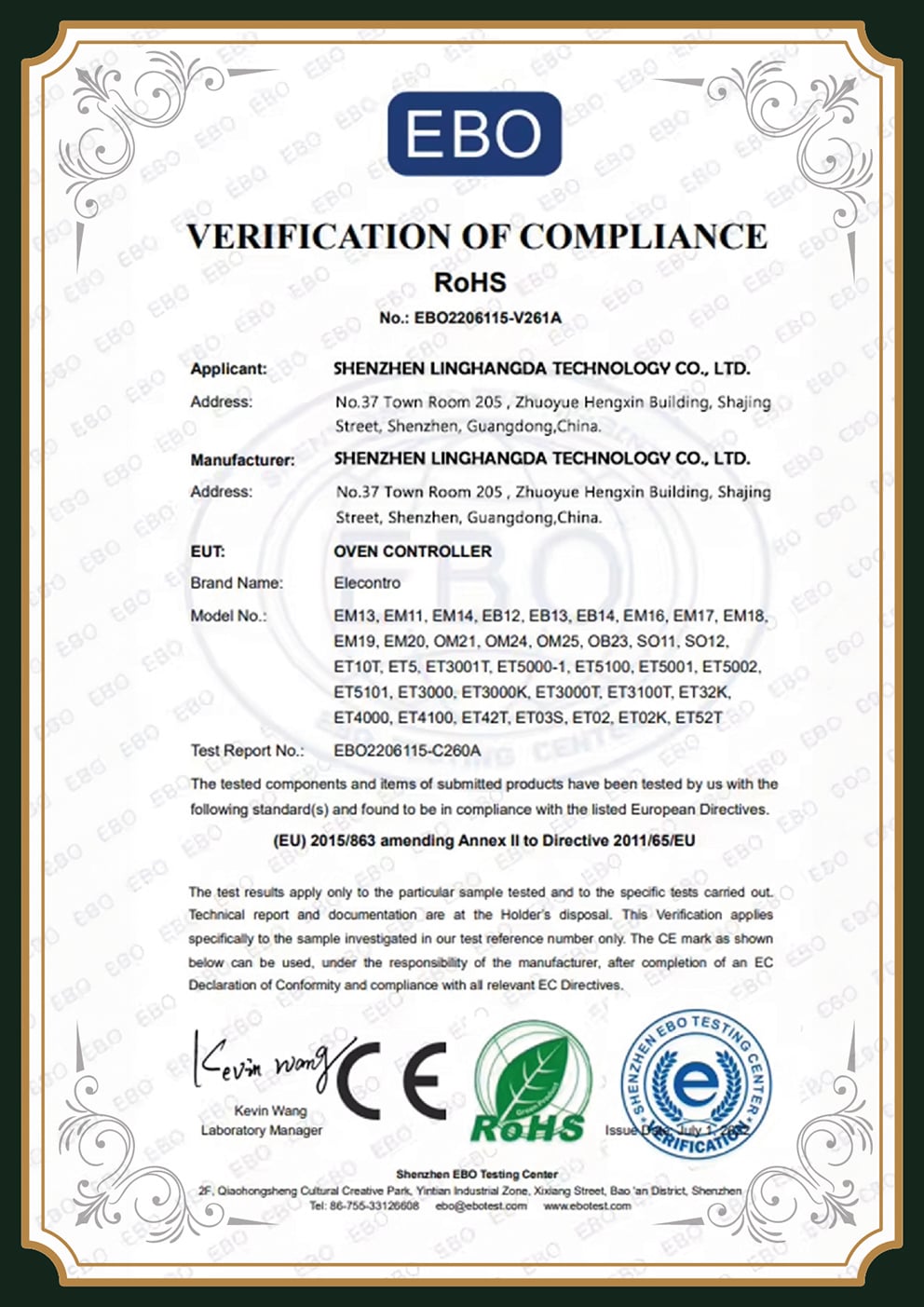
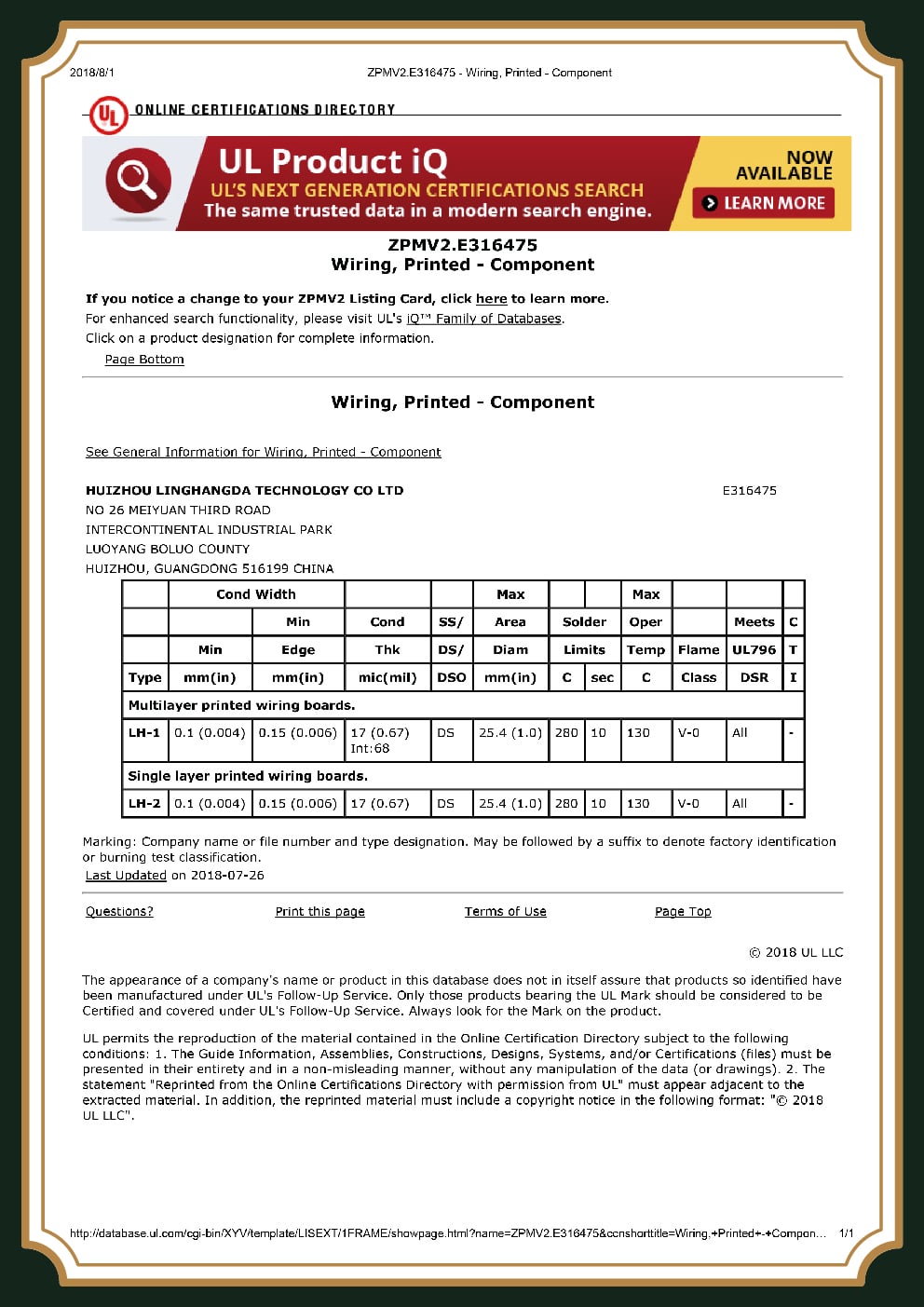
UL / RoHS / REACHAllSafety & materials complianceCertified / compliant
IATF 16949AutomotiveAutomotive QMS + AEC-Q / ISO 26262Process-aligned discipline
ISO 13485MedicalMedical-device QMS + IPC-6012EM traceabilityProcess-aligned discipline
ITAR / MIL-PRF-31032DefenseU.S. defense-article controlScoped out — see below
Enlarged Certificate

How to Match a PCB Build to Your Industry, The Industry-Fit 4-Factor Selector

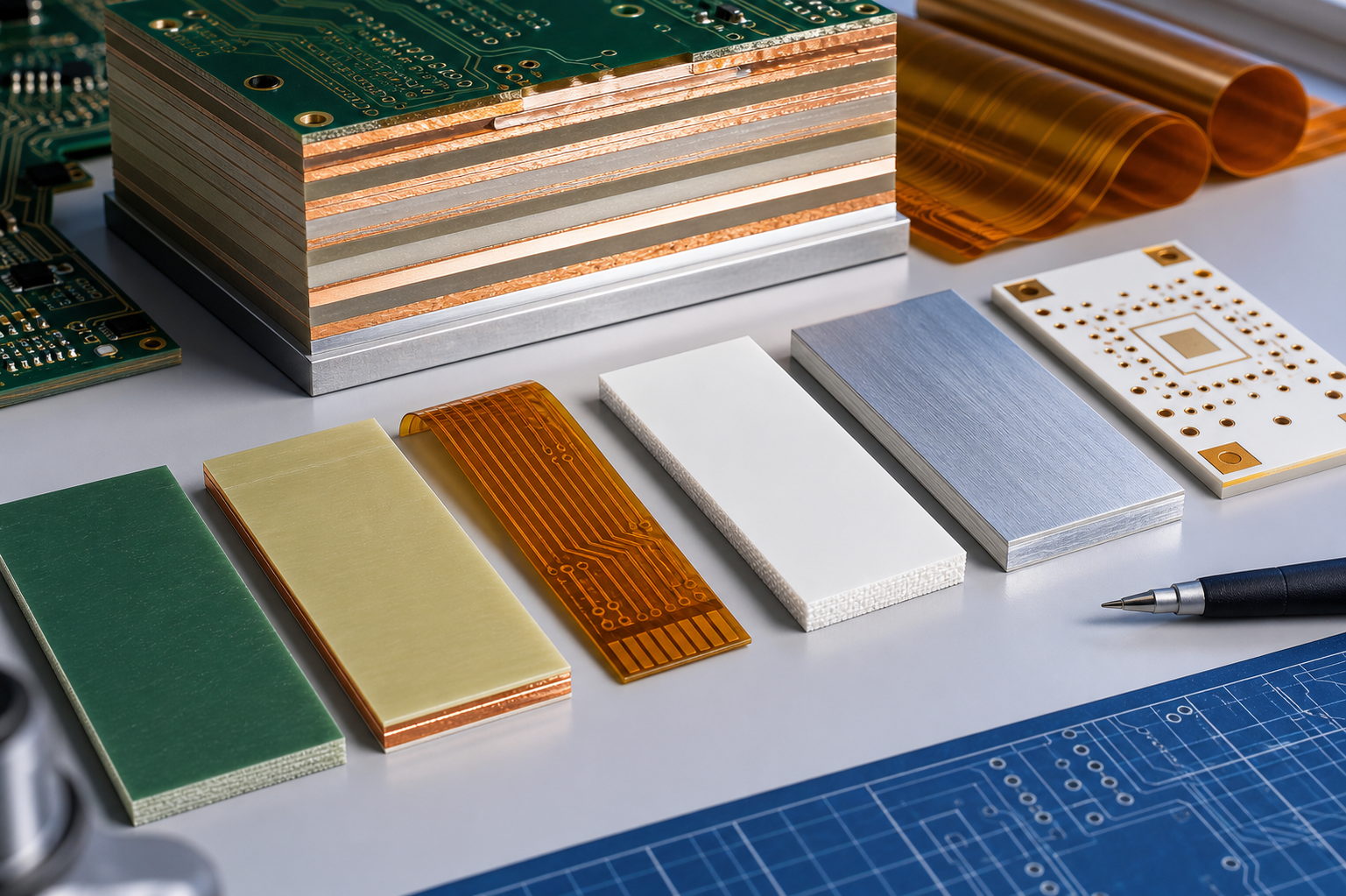
Over-specifying a board is as costly as under-specifying it. Spec polyimide where high-Tg FR-4 would pass, or Rogers laminate for a circuit that live well inside FR-4’s limits, and you add cost and lead time with no product benefit. A right substrate isn’t always the highest-grade one; it’s the lowest grade that reliably meet every requirement.

The Industry-Fit 4-Factor Selector is how PCBark engineers bound that decision before a single board is tooled.

Industry-Fit 4-Factor Selector

Reliability-Class Decision Gate — when each IPC build level is the right call

Decision axis IPC Class 2 IPC Class 3 IPC Class 3 / 3A (aerospace)
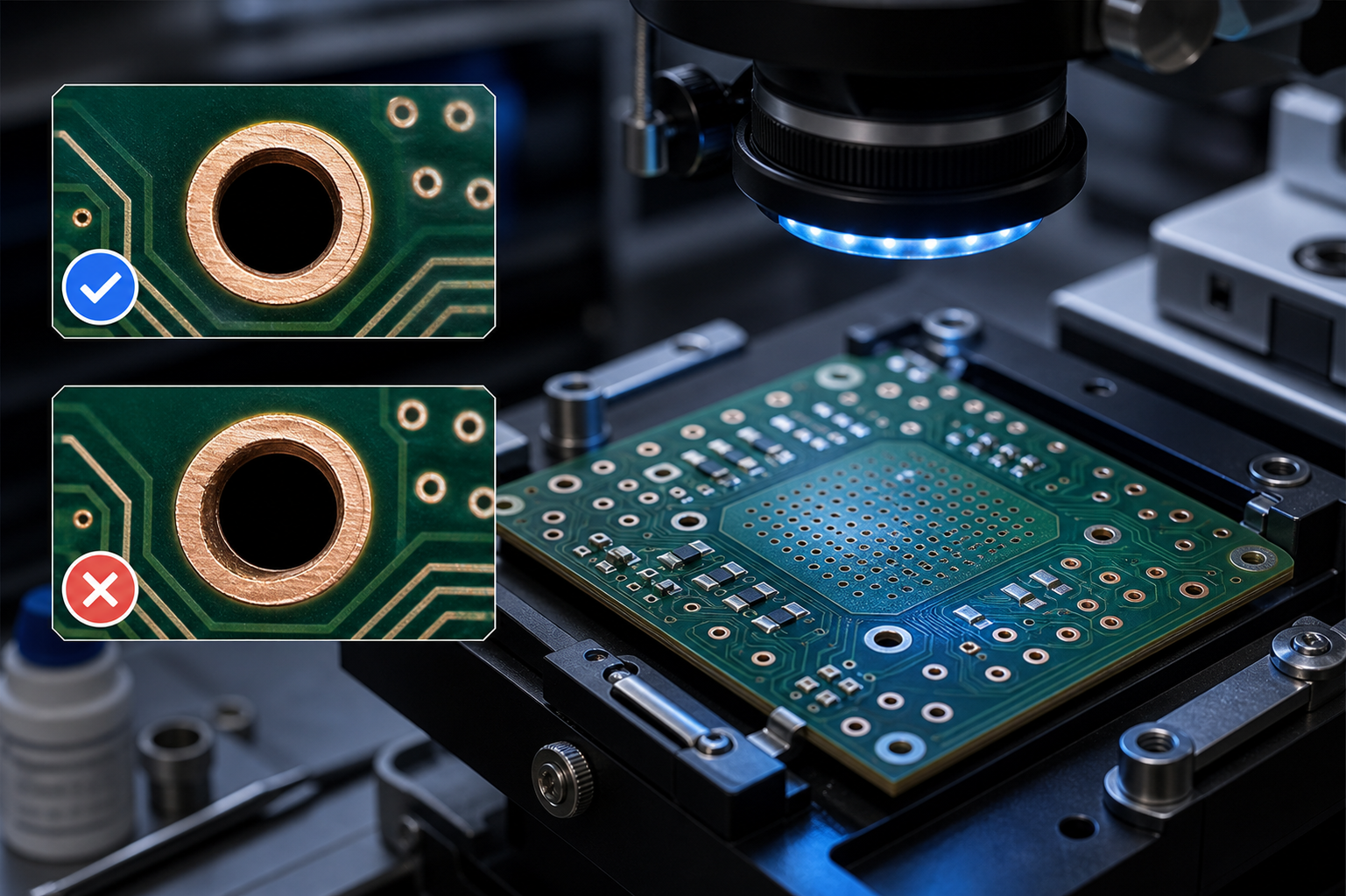
Annular ring Controlled breakout allowed Near-perfect registration Class 3 + DO-254 hardware assurance
Typical sectors Industrial, IoT, consumer Medical, automotive safety, robotics Avionics, satellite, defense
Field-failure tolerance Reliable under normal use Failure-intolerant Life- and mission-critical
PCBark Standard Standard Class 3 / 3A; non-ITAR commercial

Industrial PCB design considerations, beyond the board itself

Industrial pcb design carries constraints consumer work never sees. Industrial PCBs and the wider family of industrial circuit boards, every industrial printed circuit destined for a control cabinet or a field enclosure, are judged on thermal performance, thermal stability, and long-term system reliability across harsh environments and harsh conditions, not just on whether the prototype lights up.

These design considerations shape the whole PCBA: board designs that route heat to heat sinks and copper planes, power-supply and high-power sections kept clear of sensitive analog nets, and pcb components chosen for a service lifecycle measured in years, not seasons. PCBark’s industrial applications work treats electrical performance and circuit performance as a workflow that starts at the schematic and ends at burn-in, the same reliability-by-design thinking captured in work like USPTO US20230204653A1 on time-dependent PCB reliability prediction, because in the industrial electronics industry, the costly use cases are the ones that only fail after a year in the field. Our pcb assembly services and rigid-flex PCB builds are scoped to that reality, sector by sector.

A board doesn’t always need the strictest class. Pushing every design to Class 3 raises cost without raising fitness, the discipline is choosing the gate that matches the consequence of failure, then building to it without compromise.

Choose the gate that matches the consequence of failure, build without compromise.

Consult Our Engineers

The Plant Behind Every Sector, PCBark’s Capability & Test Stack

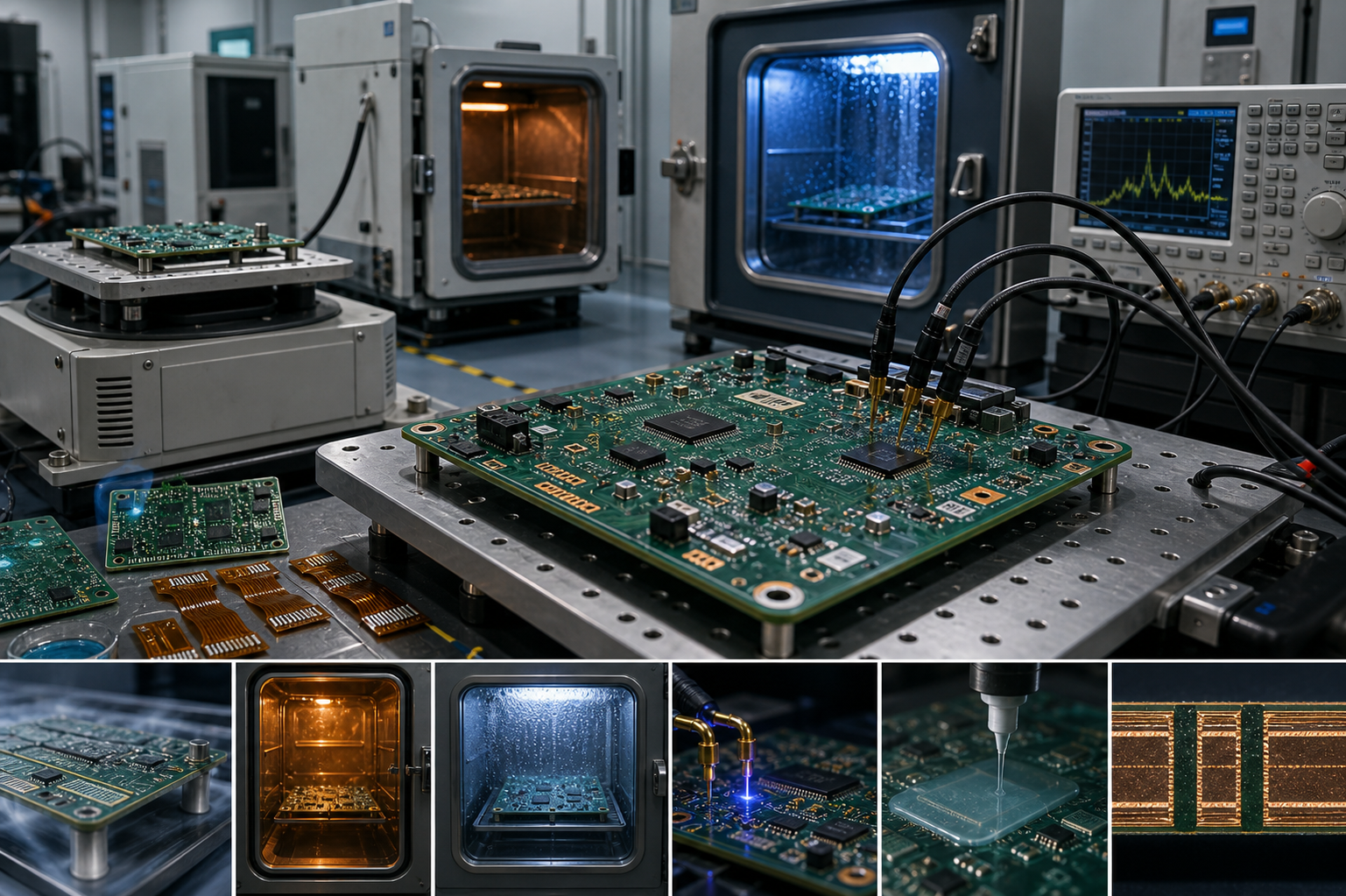
A DR0 domain has to earn trust the hard way: with verifiable capability, not adjectives. The most common buyer concern when outsourcing, heard repeatedly from engineers, is verification, and the standard advice is blunt: functional testing and in-circuit test (ICT) have to run on every board before it ships, not as an afterthought. PCBark’s test stack is built around exactly that requirement.

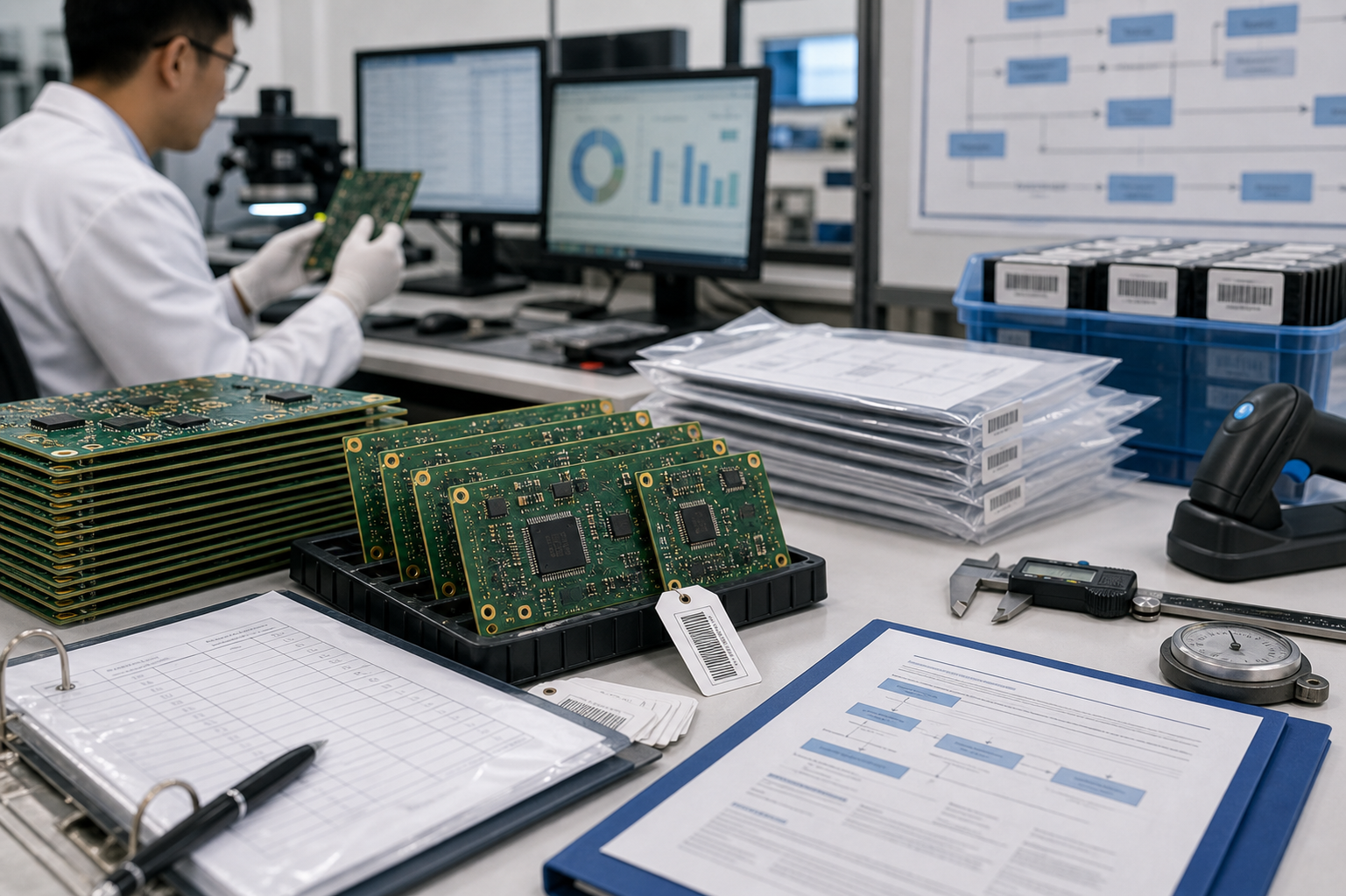
“We qualify each sector build to its own standard rather than forcing one process across all of them. An automotive board runs our high-Tg, IATF-disciplined line; a medical board runs ISO 13485 documentation and full traceability. Matching the build to what the line proves out, that is what keeps a board reliable in the field, not a slogan on the homepage.”
— PCBark Engineering Team, Shenzhen Linghangda Technology Co., Ltd.

Verified capability, PCBark

01 / Experience

16+ years in electronic manufacturing services (since 2010).

02 / Capacity

500,000 m² annual production across Shenzhen Bao’an and a 150-acre Jiangxi facility (2025).

03 / Assembly

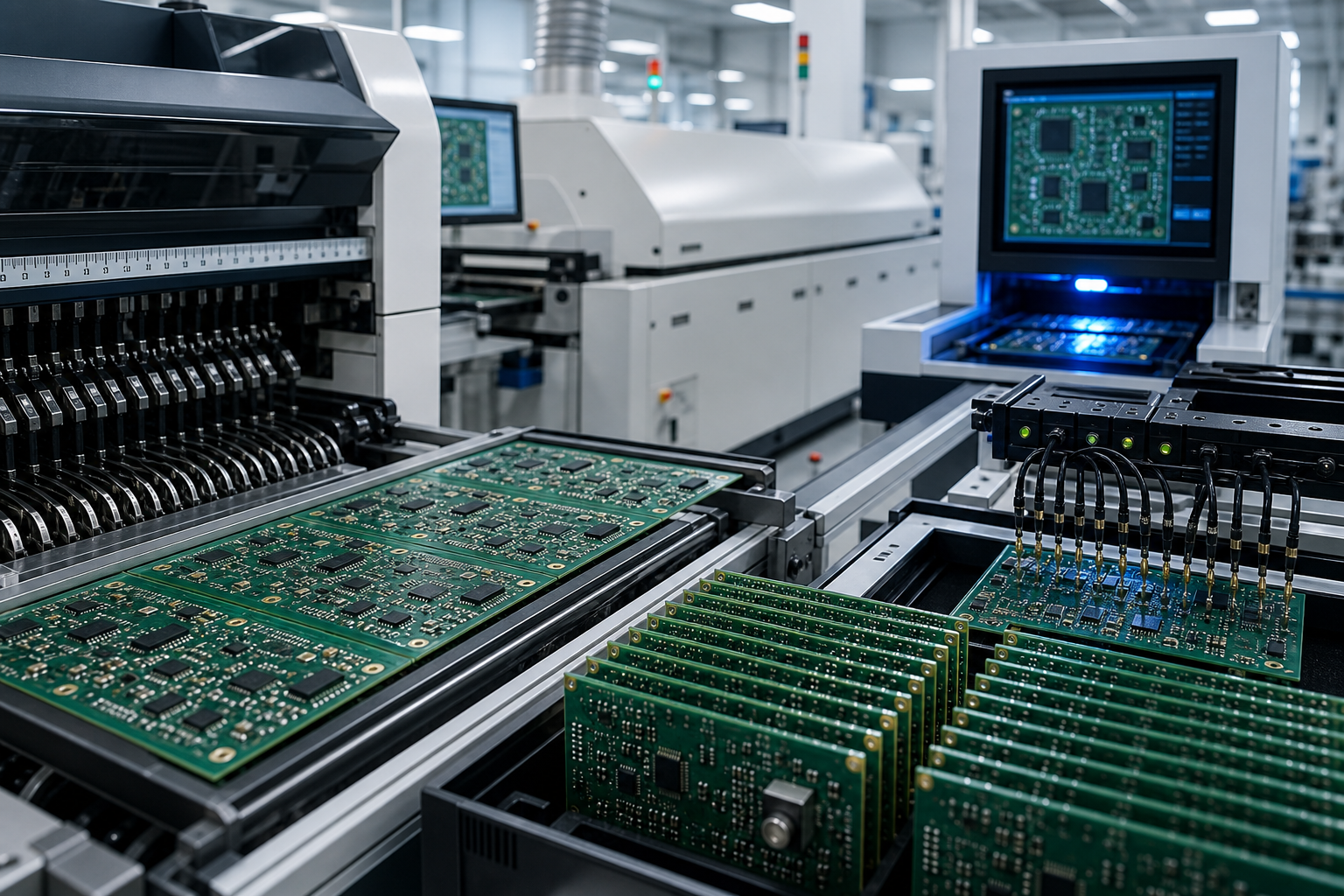
multiple automated SMT lines placing down to 0201 components on panels up to 680 × 550 mm.

04 / Test stack

AOI, 3D X-ray, ICT, Flying Probe, and Burn-in, a 5-stage gauntlet, not a single optical pass.

05 / Build levels

IPC-A-610 and IPC-6012 Class 2 and Class 3.

One controlled chain, pcb design to finished assembly

PCB Schematic and CAD Layout SMT Assembly and Component Placement
PHASE 01 / DESIGN & FABRICATION

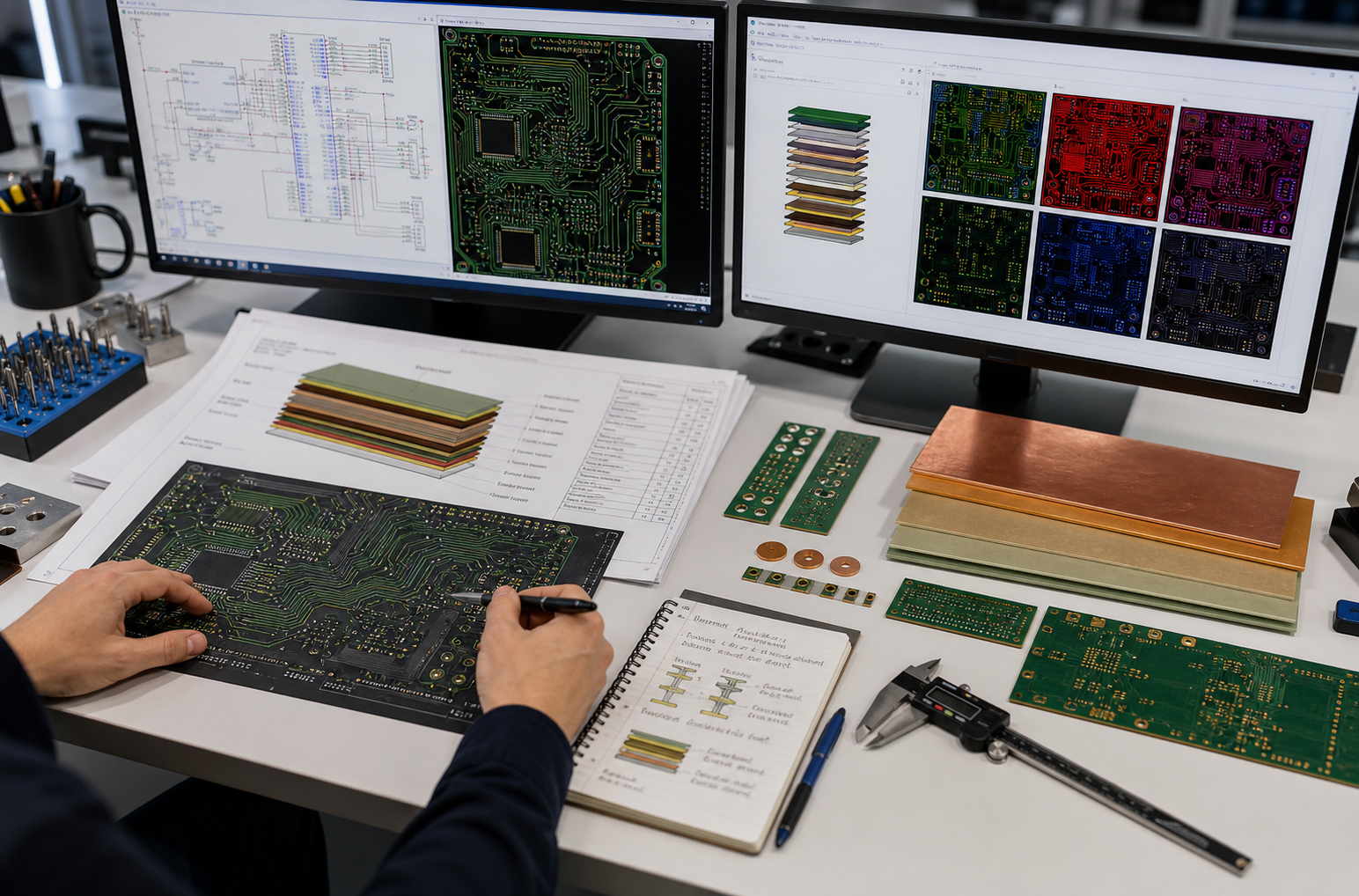
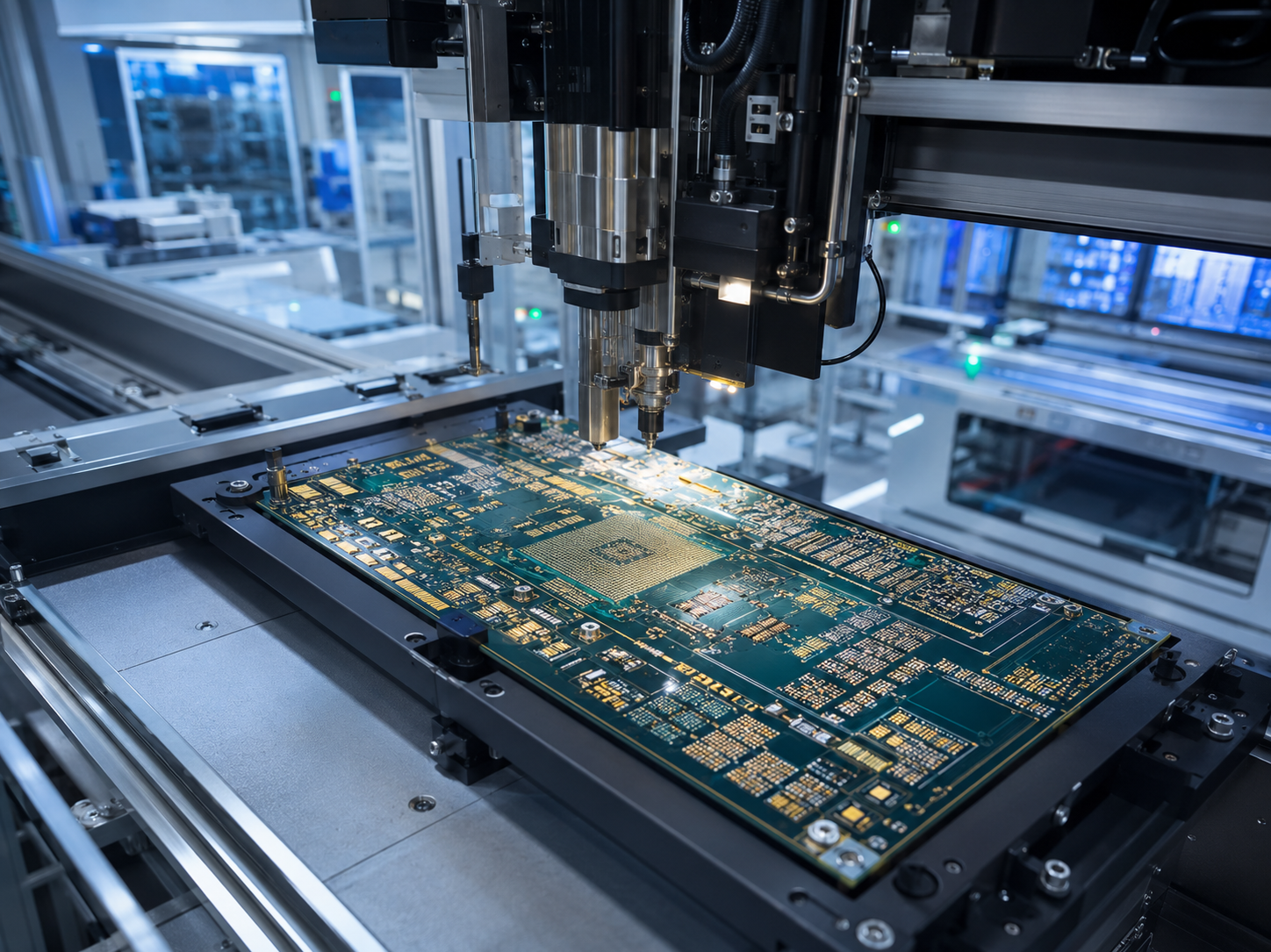
Every board move through one verified flow rather than a hand-off between disconnected shops. It starts with the schematic and pcb design, where Gerber files and CAD data drive a DFM and design-rule review. Then comes pcb layout, board layout, routing, component placement, and ground planes set out so that impedance control hold for high-speed and RF nets while electromagnetic interference and EMC stay inside the signal-integrity budget. PCB fabrication follows: lamination of the epoxy-glass FR4 laminate into a multilayer stack, drilling and plating of conductive pathways and vias, then solder mask and silkscreen.

PHASE 02 / ASSEMBLY & INSPECTION

Assembly runs both thru-hole and pick-and-place SMT assembly on placement automation that mounts every electronic component before the reflow oven, forming solder joints and electrical connections that carry the working voltage across the circuitry. Our assembly services close the assembly process with the inspection stack below, so conductivity and every conductive net are verified before shipment. Holding PCB fabrication and turnkey PCB assembly under one roof keep the build matched to the drawing, sector by sector.

That capability exists because each industry’s failure mode demands it. 3D X-ray catches the hidden BGA voids that a vibration-loaded automotive board can’t tolerate; ICT and Flying Probe catch the open or short that would only surface in a fielded medical device; burn-in screens the infant-mortality failures that matter most in mission-critical aerospace builds, the kind of power-density and thermal-reliability engineering documented in USPTO US9947456B2. PCBark runs the stack because skipping it’s precisely how outsourced boards fail after acceptance. Industrial buyers and OEM customers in all seven served markets get the same inspection discipline.

Want the inspection and test report format we ship with each lot?

Request a sample test report

China Cost Without the China Risk, Offshore Industrial PCB Sourcing, Done Right

The trade-off most buyers actually weigh is cost against risk, and the data is less one-sided than the stereotype. Practitioners who source offshore report that China boards run 10 to 15 times cheaper than domestic equivalents with quality that’s, in their words, a non-issue for commercial and industrial work. The real exposure isn’t headline quality, it’s the hidden substitution. Laminate downgrading silently swaps in a lower-Tg FR-4 than the one quoted; the board looks identical on the bench and then delaminates under lead-free reflow at ~250 °C.

PCBark’s answer is to make the invisible explicit. We specify and hold the laminate brand and Tg rating named in your purchase order, accept a no-substitution clause, and provide a mill certificate for the laminate lot used in production, all under an ISO 9001:2015 quality system. That same discipline extends to IP: NDAs, controlled data handling, and a transparent DFM and component-sourcing process. This is the honest version of offshore sourcing, neither a U.S.-priced premium nor a race-to-the-bottom broker who wins the quote and loses the build.

10–15×

typical offshore cost advantage on commercial / industrial PCB work versus domestic fabrication

Source: practitioner field reports (r/manufacturing). Total cost of ownership varies — the cheapest quote is rarely the best value once rework and slipped timelines are counted. Request a landed-cost estimate for your build.

The contrarian truth here’s that the lowest unit price and the lowest total cost aren’t the same number, and the largest fab isn’t always the best fit, the right supplier depend on your layer count, class, and sector. PCBark competes on the build that matches your industry, with the testing and traceability that keep the landed cost honest.

See the all-in landed cost for your board
PCB Manufacturing Industries We Serve
Getting Started RFQ Files DFM Review Lead Times & MOQ

What PCBark needs for an industry PCB quote

Quoting friction is its own hidden cost. Incomplete data packages stall tooling and invite the wrong assumptions, the difference between a clean quote and a week of engineering questions is the fabrication drawing and stack-up, not luck. PCBark’s intake is built to remove that friction across every sector, from a quick-turn IoT prototype to an automotive production release.

Files

Gerber (or ODB++), bill of materials, stack-up, and a fabrication drawing naming laminate brand, Tg, surface finish, and IPC class.

DFM

we return a design-for-manufacturing review with flagged risks before tooling, included, not billed.

Scale

prototype through volume, with the build qualified once and repeated to a copy-exact discipline for regulated industries under ISO 9001 controls.

Lead time and MOQ

are quoted per sector and class, since an aerospace Class 3 build and a consumer IoT run carry different qualification steps.

Advanced PCB Engineering & RFQ Tools

Industry-Fit PCB Selector

Pick your end industry — get the reliability class, substrate, governing standard, and PCBark’s honest status for that sector.

Access Selector

PCB Substrate Selector

Answer three questions; get the lowest-grade substrate that reliably meets your build — over-specifying only adds cost.

Find Substrate

Industry PCB RFQ Readiness Checklist

Tick what you already have. A complete data package is the single biggest thing a buyer controls — it cuts a week of back-and-forth and blocks laminate substitution.

View Checklist

FAQ, Industry PCB Manufacturing

An industry PCB manufacturer matches the build to the sector instead of running one process for everyone. A generic fab quotes a board; PCBark routes an automotive board to high-Tg laminate and IATF 16949 discipline, a medical board to ISO 13485 traceability, and an avionics board to IPC-6012 Class 3A, because the governing standard and primary failure mode differ by industry, and a board qualified for one is not automatically fit for another.

IPC Class 2 covers most industrial, IoT, and commercial electronics; IPC Class 3 is for failure-intolerant, mission-critical builds such as medical, automotive safety, and avionics. The structural difference is annular-ring integrity, Class 2 permits controlled breakout, Class 3 requires near-perfect hole-to-pad registration. Pushing every board to Class 3 isn’t always the right call; it adds cost without raising fitness when the field-failure consequence doesn’t justify it.

Yes for commercial and civil avionics-grade boards, IPC-6012 Class 3 / 3A construction with DO-254-aware design. No for ITAR-controlled defense work: PCBark isn’t ITAR-registered, so a registered U.S. fab is the right partner there, and we say so plainly rather than overstate our scope.

Not the board alone, the quality system around it. Medical pcb assembly requires an ISO 13485 system that extends into the supply chain: documented risk management, qualified subcontractors, and decades-long lot traceability for implantable or life-sustaining devices, where the record of materials and processes can be audited years after the device ships.

An IPC-6012EM computer-readable fabrication drawing is mandatory rather than optional, and the build is often locked to a copy-exact discipline so nothing changes between lots. PCBark runs AOI and 3D X-ray on every medical board and holds the traceability records those standards demand.

Automotive pcb requirements center on surviving heat and motion. Boards use high-Tg or metal-core substrate to handle thermal cycling and vibration, built under IATF 16949 process discipline with AEC-Q-qualified components and ISO 26262 functional-safety awareness. PCBark runs automotive work on its high-Tg, IATF-disciplined line for exactly these reasons.

Yes, these are first-class industries at PCBark, not afterthoughts. Industrial drone pcb board work is engineered around SWaP with lightweight HDI and rigid-flex; robotics boards manage EMI and connector fatigue with high-density constructions; and an iot pcb board from our own-brand line integrates low-power layout and RF/antenna sections. These are the high-growth verticals most fabs underserve.

PCBark holds ISO 9001:2015, ISO 14001, UL, RoHS, and REACH, and builds to IPC-A-610 and IPC-6012 Class 2/3 and J-STD-001. For verification, require, as you should of any contract manufacturer, that functional testing and ICT run before boards ship; PCBark’s five-stage stack (AOI, 3D X-ray, ICT, Flying Probe, Burn-in) is built to deliver exactly that evidence, with a test report per lot.

Gerber or ODB++, a bill of materials, the stack-up, and a fabrication drawing naming laminate brand, Tg, surface finish, and IPC class. Naming the laminate and class up front protects you from substitution risk and lets PCBark return a DFM review and an accurate landed-cost quote without a week of back-and-forth.